The Economic Consequences of Climate Change in Afghanistan: From Scientific Warnings to Practical Solutions at the Kabul Economic Debate
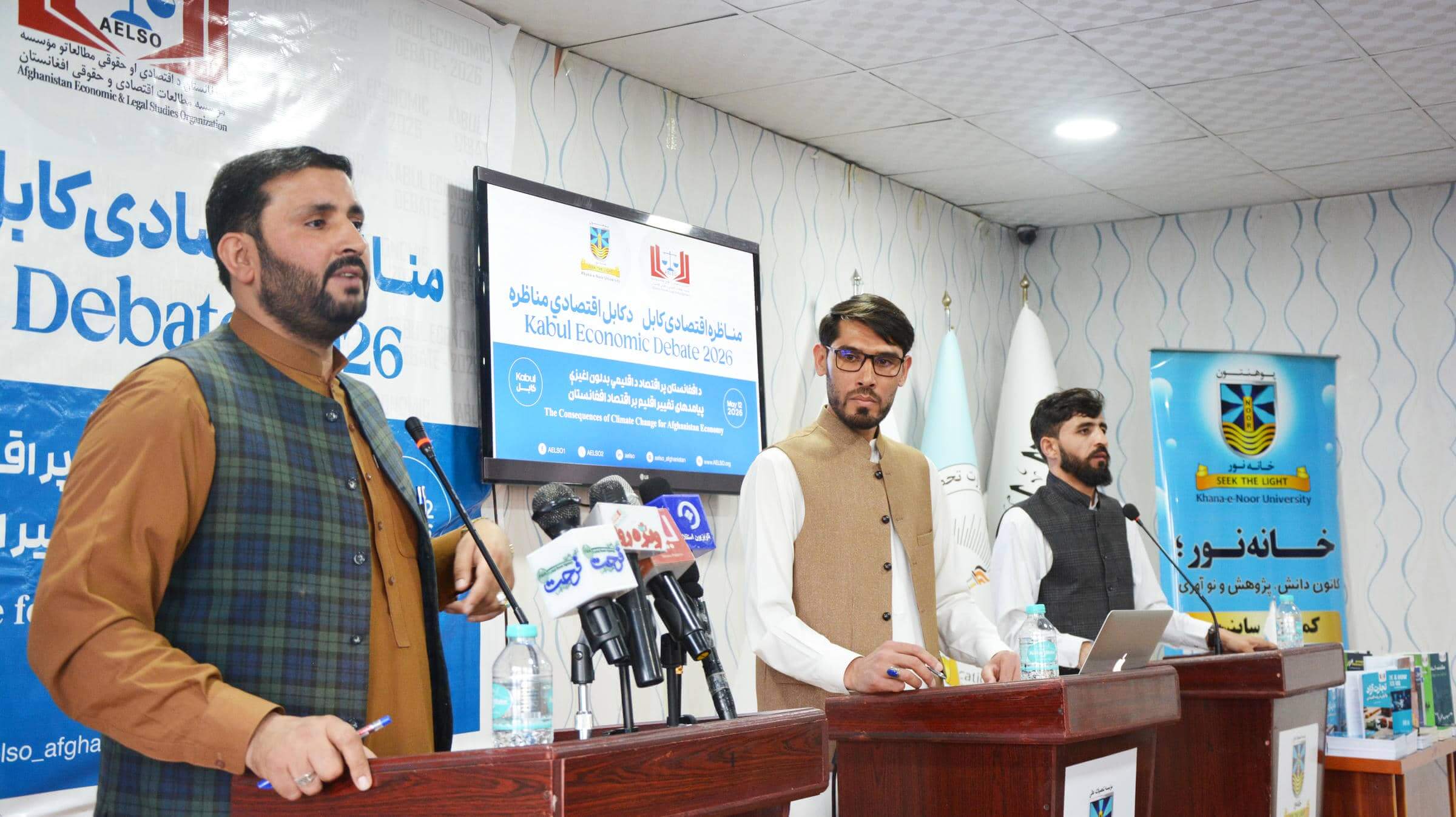
The Kabul Economic Debate, focused on examining the “Economic Consequences of Climate Change in Afghanistan”, was organized by the Afghanistan Economic and Legal Studies Organization (AELSO) in collaboration with Khana Noor University. The event brought together university professors, economic experts, environmental specialists, researchers, and students to analyze one of the country’s most pressing contemporary challenges from multiple perspectives.
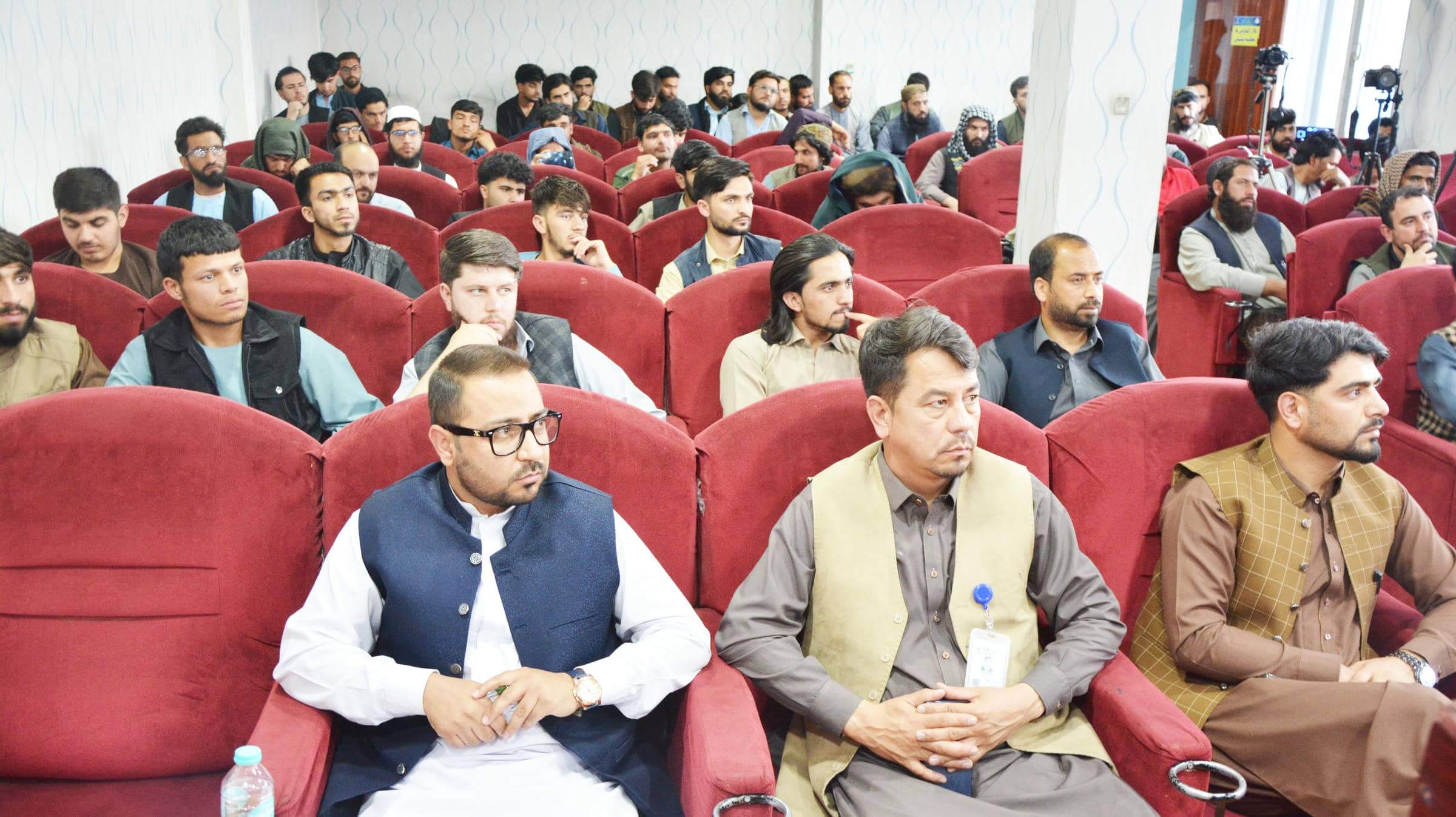
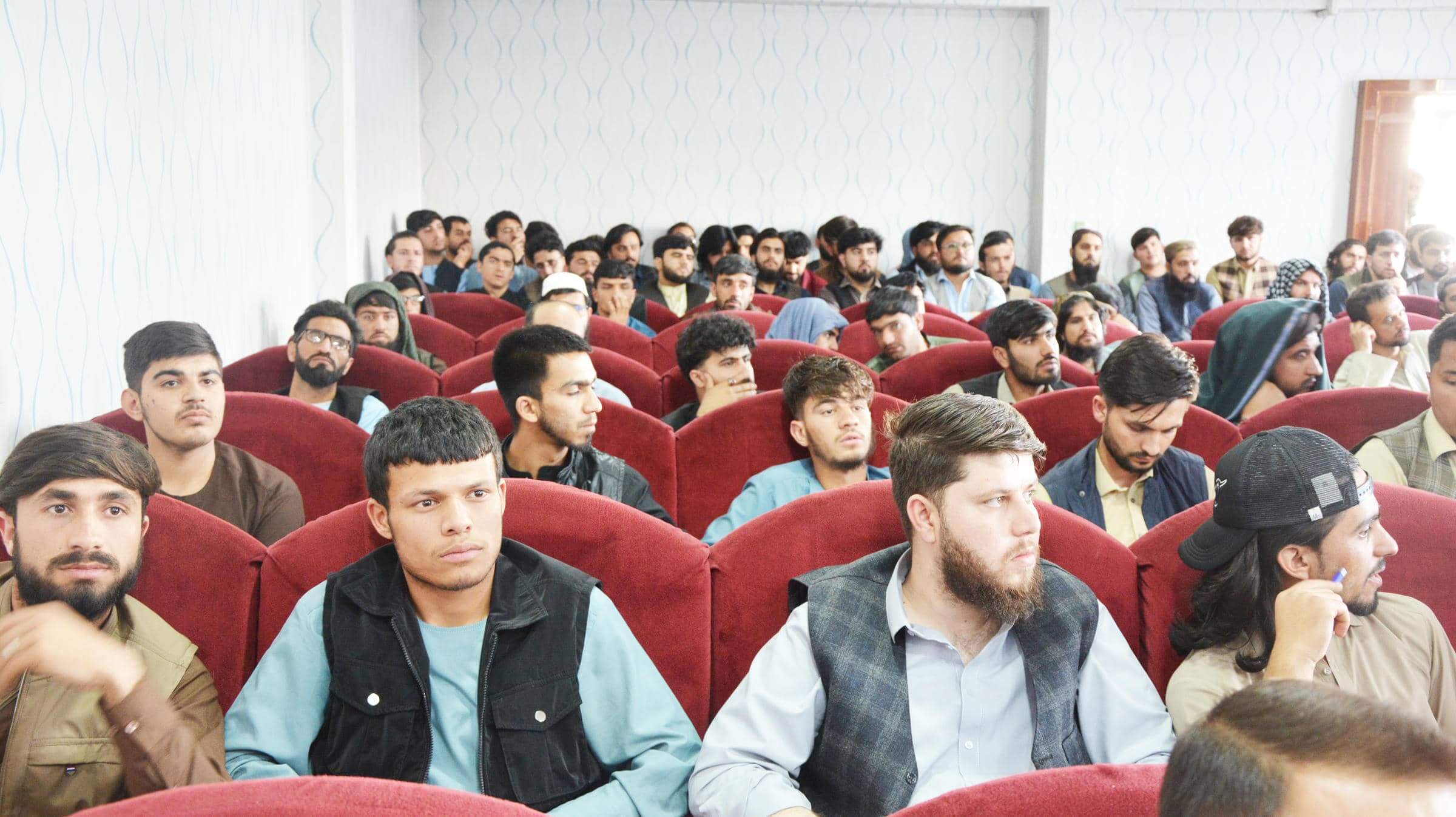
In this debate, climate change was addressed not merely as an environmental issue, but as a critical factor shaping the economic foundations of Afghanistan. Participants emphasized that the country’s heavy reliance on agriculture and natural resources makes it particularly vulnerable to climate variability. They noted that shifts in climate patterns could have wide-ranging consequences for production, employment, and public welfare. Declining water resources, recurring droughts, sudden floods, and the degradation of agricultural land were highlighted as concrete manifestations of these consequences.
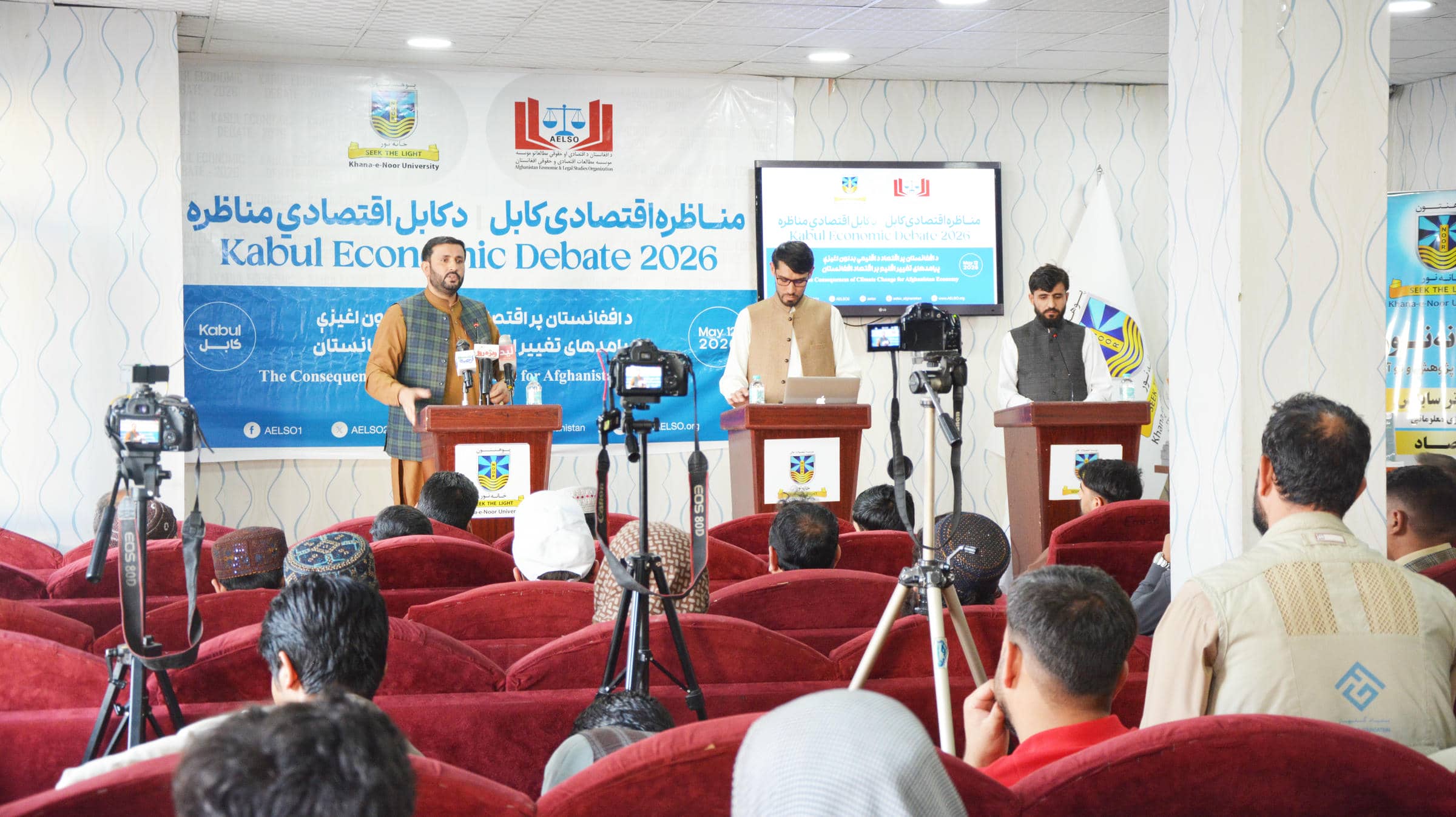
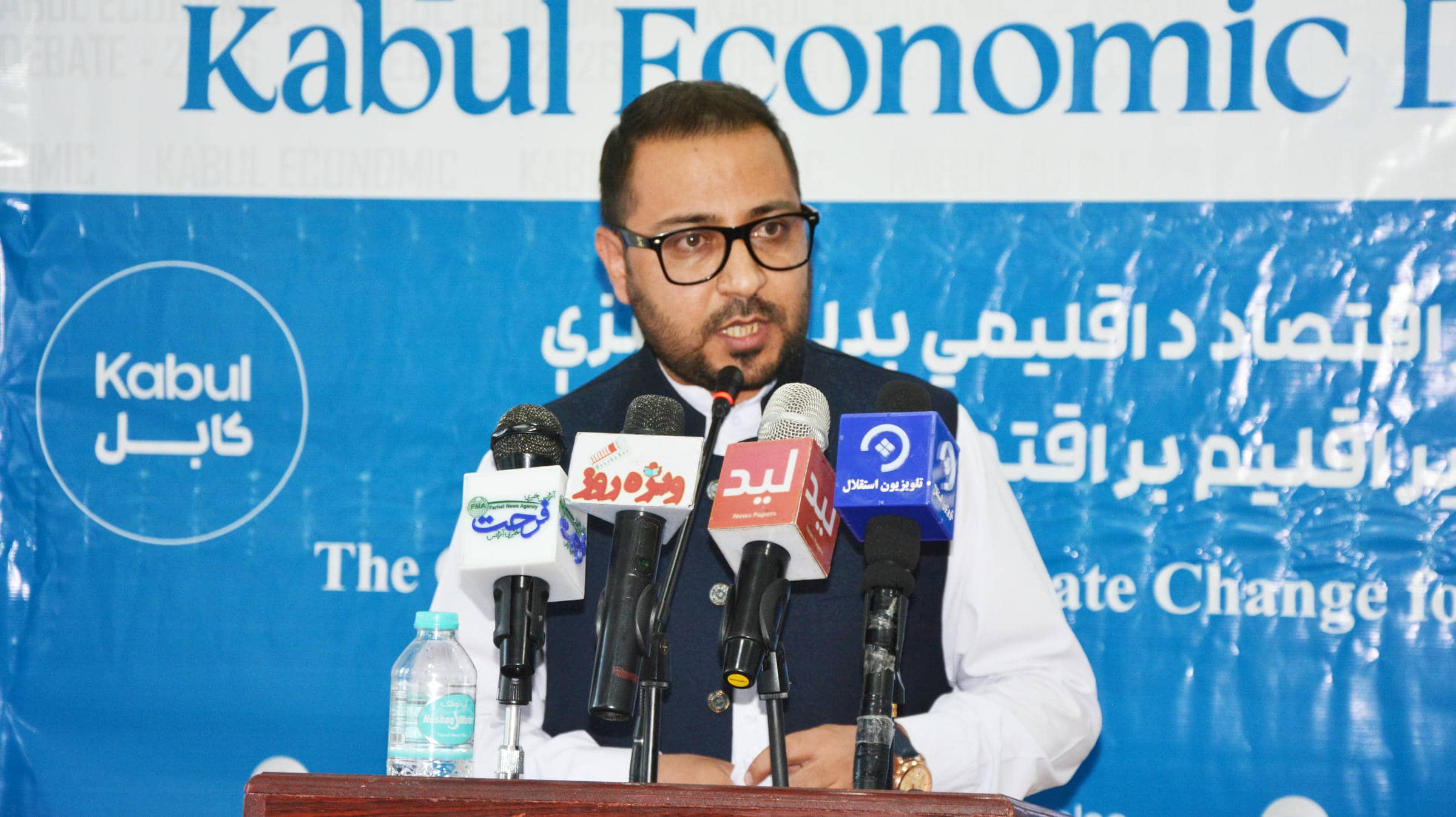
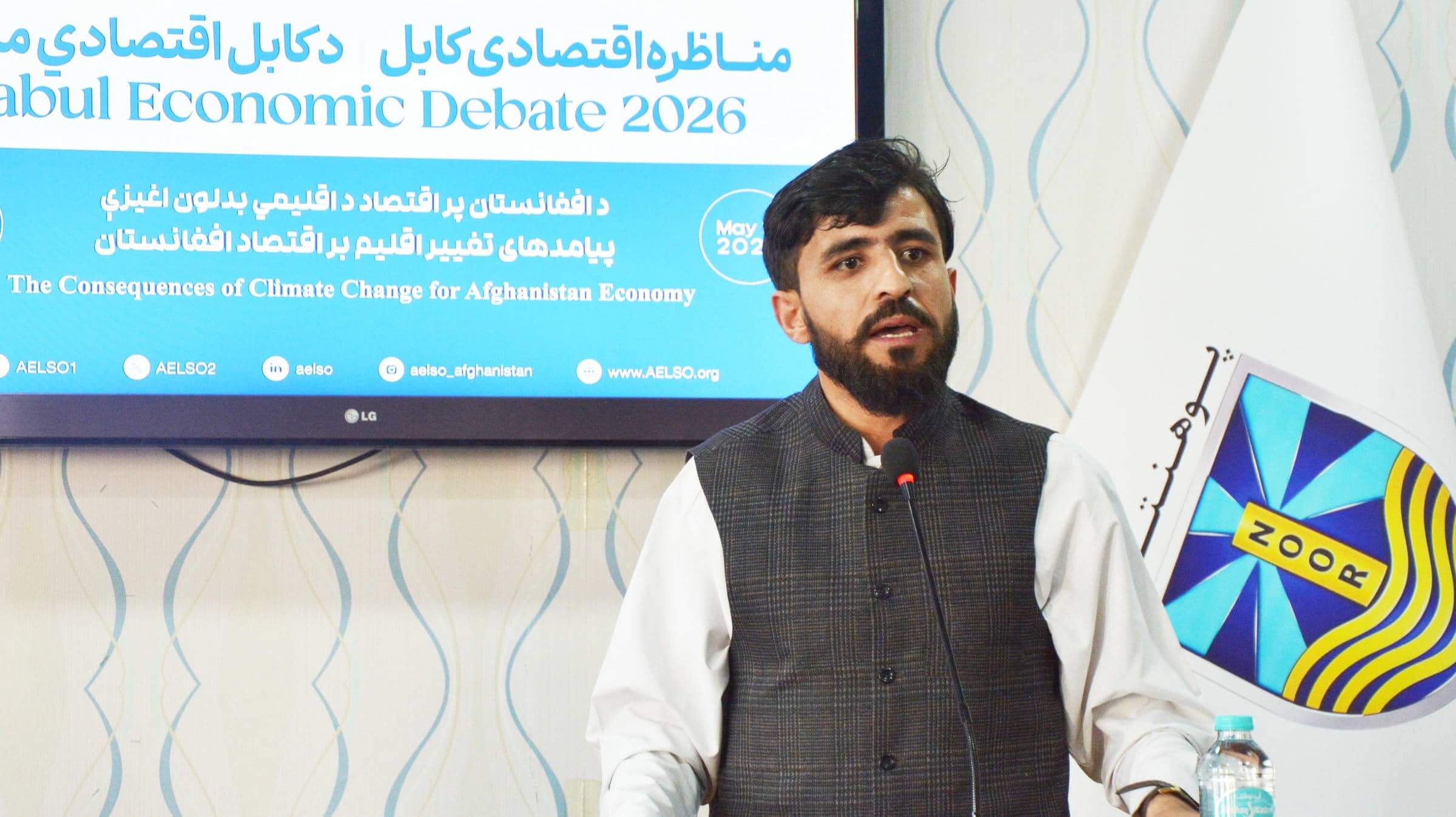
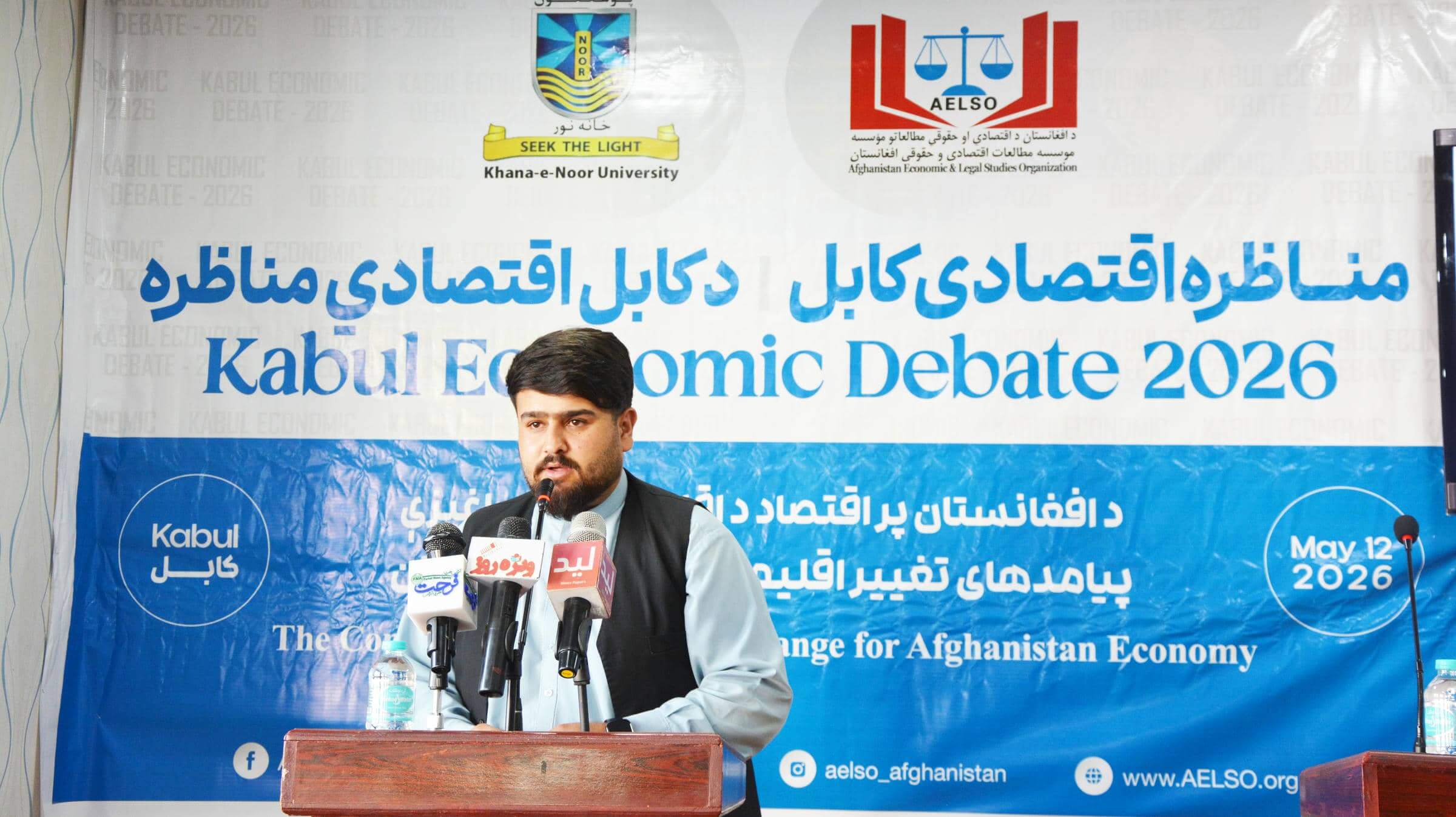
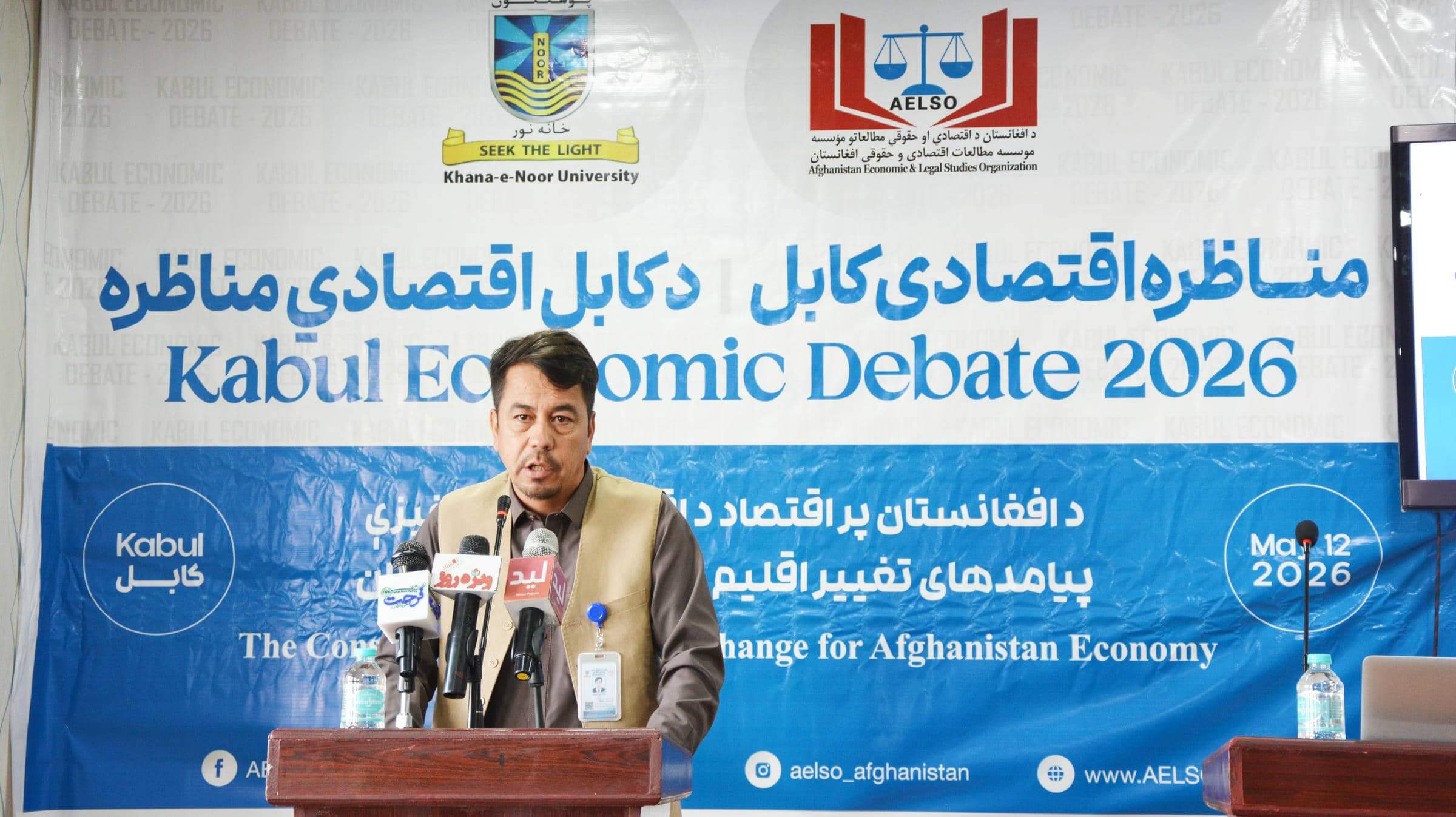
During the debate, environmental expert Sayed Shah Goharpur underscored the immediacy of the crisis, stating: “Climate change in Afghanistan is no longer a future threat; it is a present reality, manifested in declining water resources, recurring droughts, and the degradation of agricultural land, directly affecting people’s livelihoods.”
From an economic perspective, Edris Mohammadi Zazai, the program’s economic expert, addressed the issue from a structural standpoint and warned of the costs of inaction: “If Afghanistan’s economy fails to adapt to evolving climatic conditions, production costs will rise, economic growth will slow, and the financial pressure on households will significantly increase.”
One of the debate participants further highlighted the broader social consequences, noting:
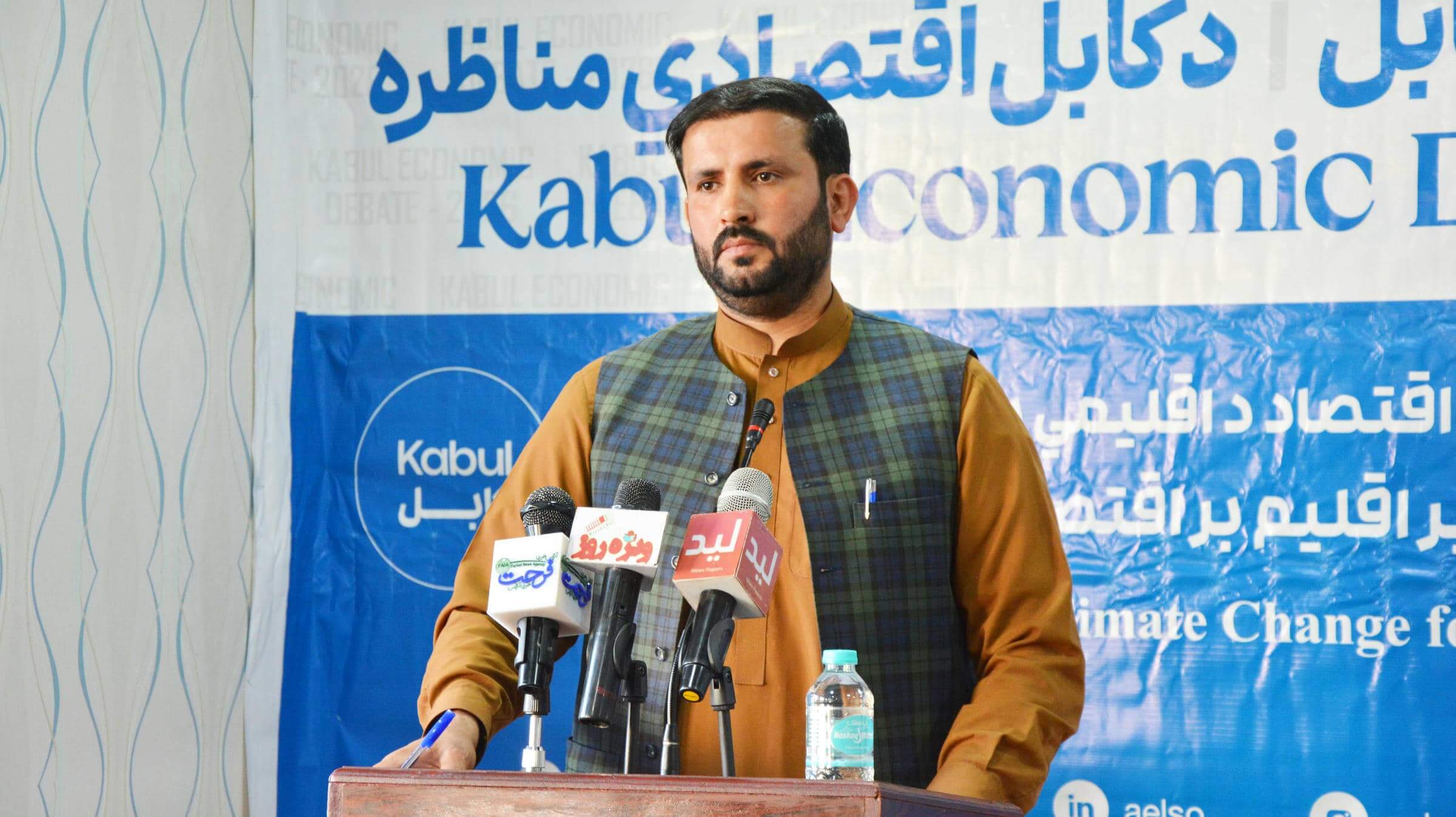
“Climate change is not merely an environmental issue; it directly contributes to increased internal and cross-border migration, social instability, and mounting pressure on major cities such as Kabul.”
Another participant emphasized the urgency of policy intervention, stating: “If we do not invest today in water resource management and agricultural support, the cost of addressing future damages will increase exponentially.”
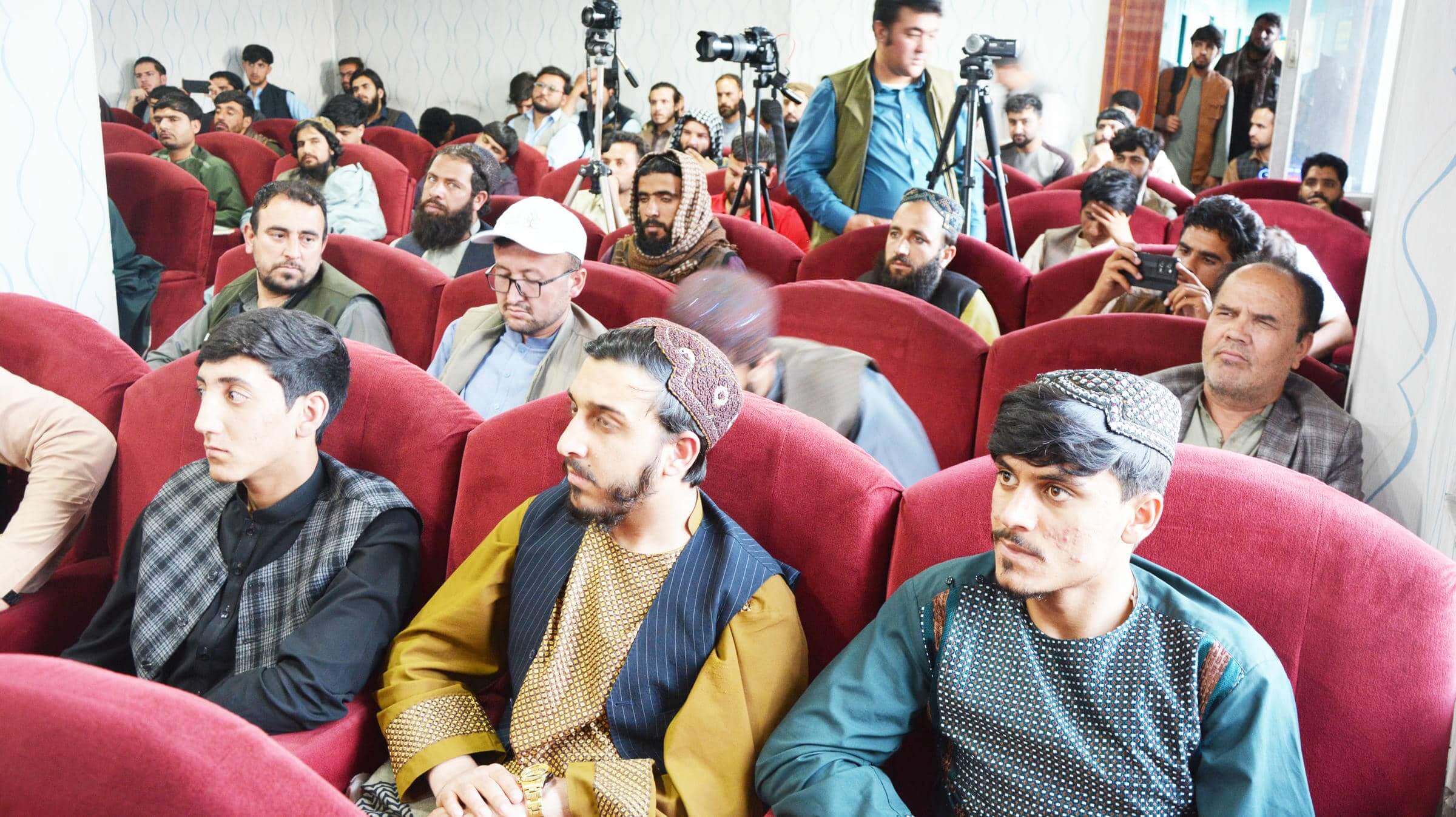
The discussions demonstrated that climate change can trigger a chain reaction across multiple sectors of the economy, from declining agricultural output to rising unemployment, deepening poverty, and increasing migration both within and beyond national borders. However, the debate extended beyond identifying challenges and also explored viable solutions. Experts emphasized that through scientific water management, climate-resilient agriculture, investments in renewable energy, and the adoption of modern technologies, Afghanistan can mitigate adverse consequences and potentially unlock new avenues for economic growth.
In the final analysis, participants agreed that climate change has become a structural challenge for Afghanistan’s economy, requiring a comprehensive, knowledge-based, and coordinated response among relevant institutions. It was emphasized that without effective national planning and sound policymaking, the country’s economic resilience will be significantly weakened.
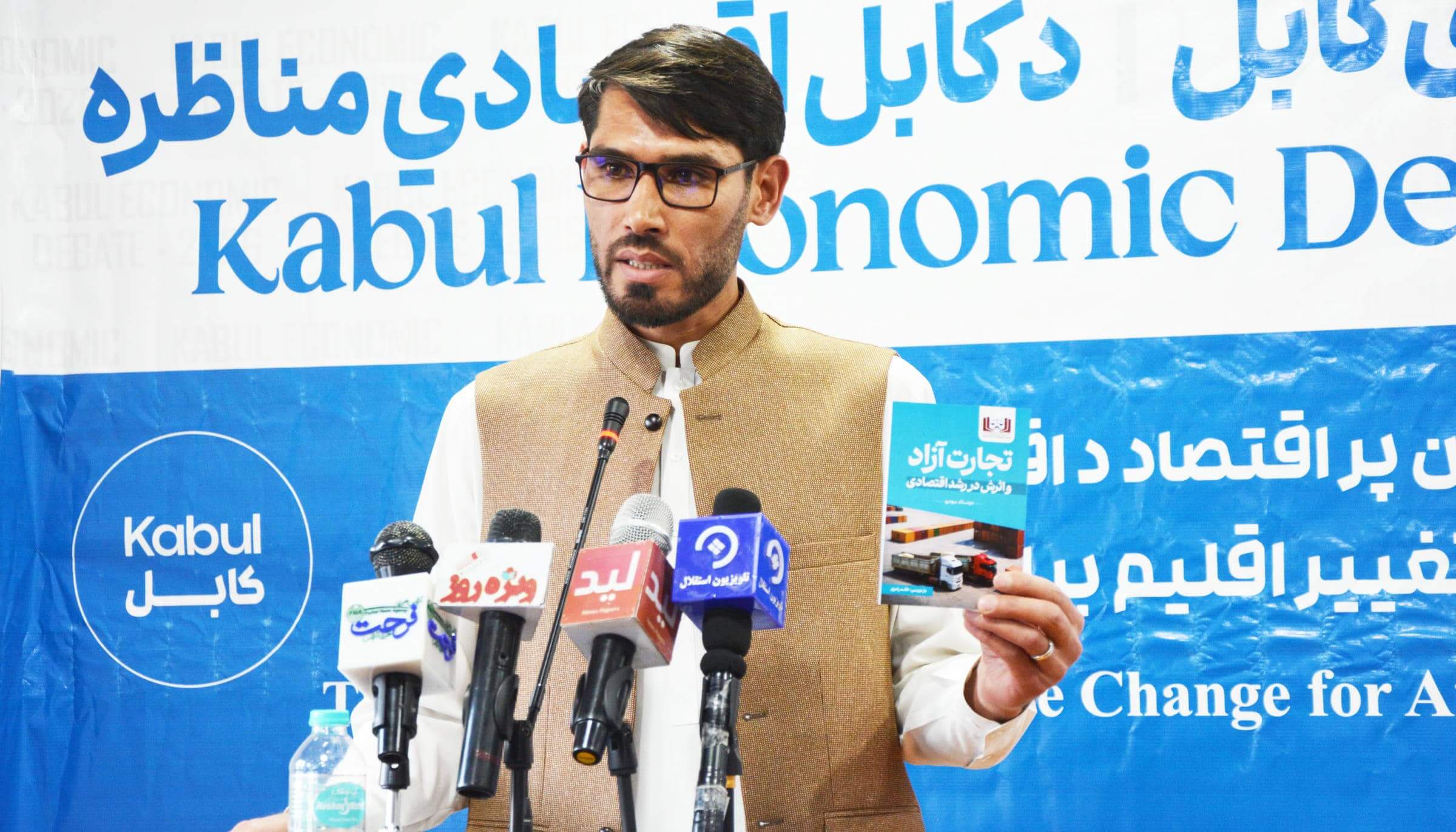
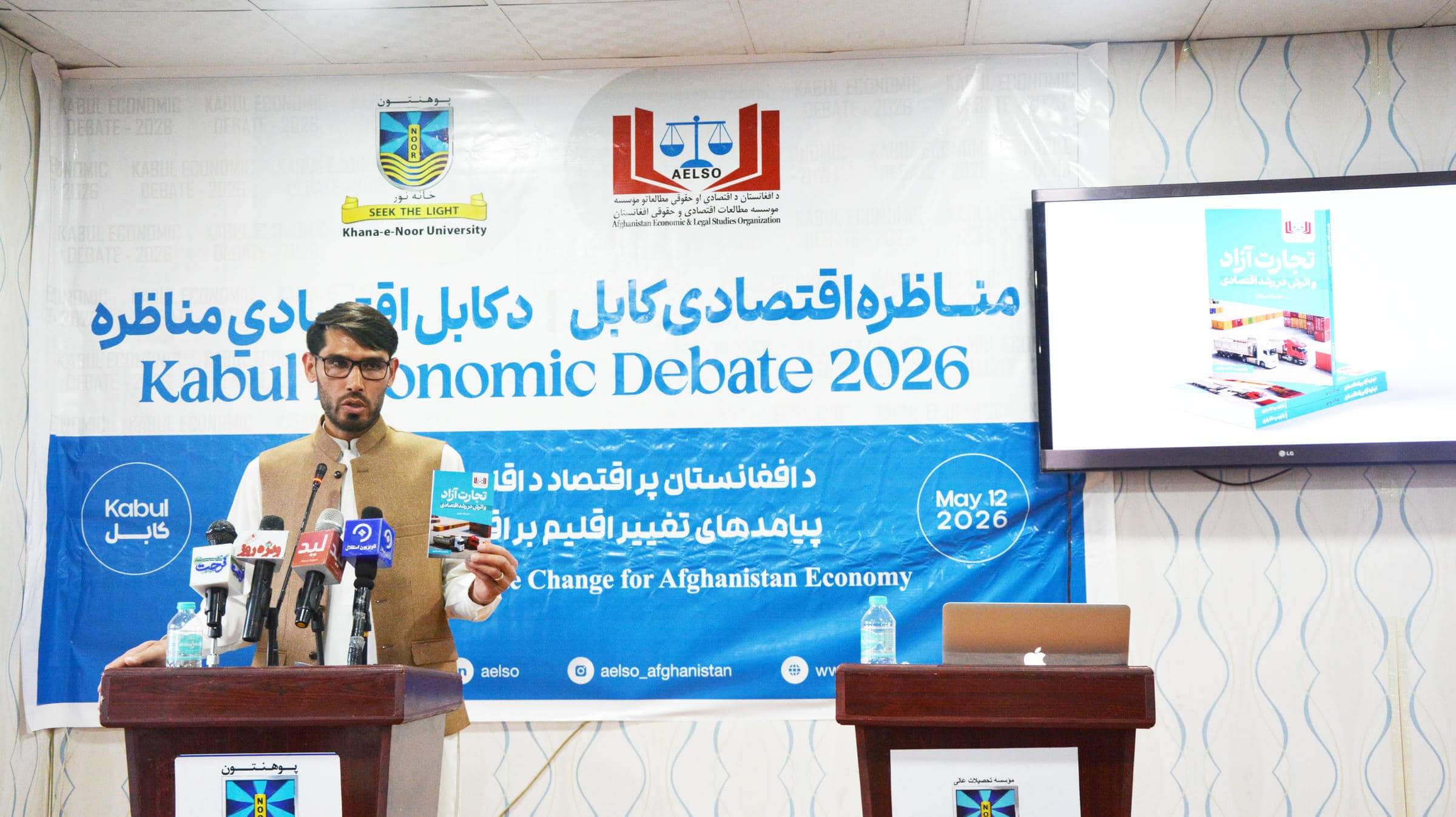
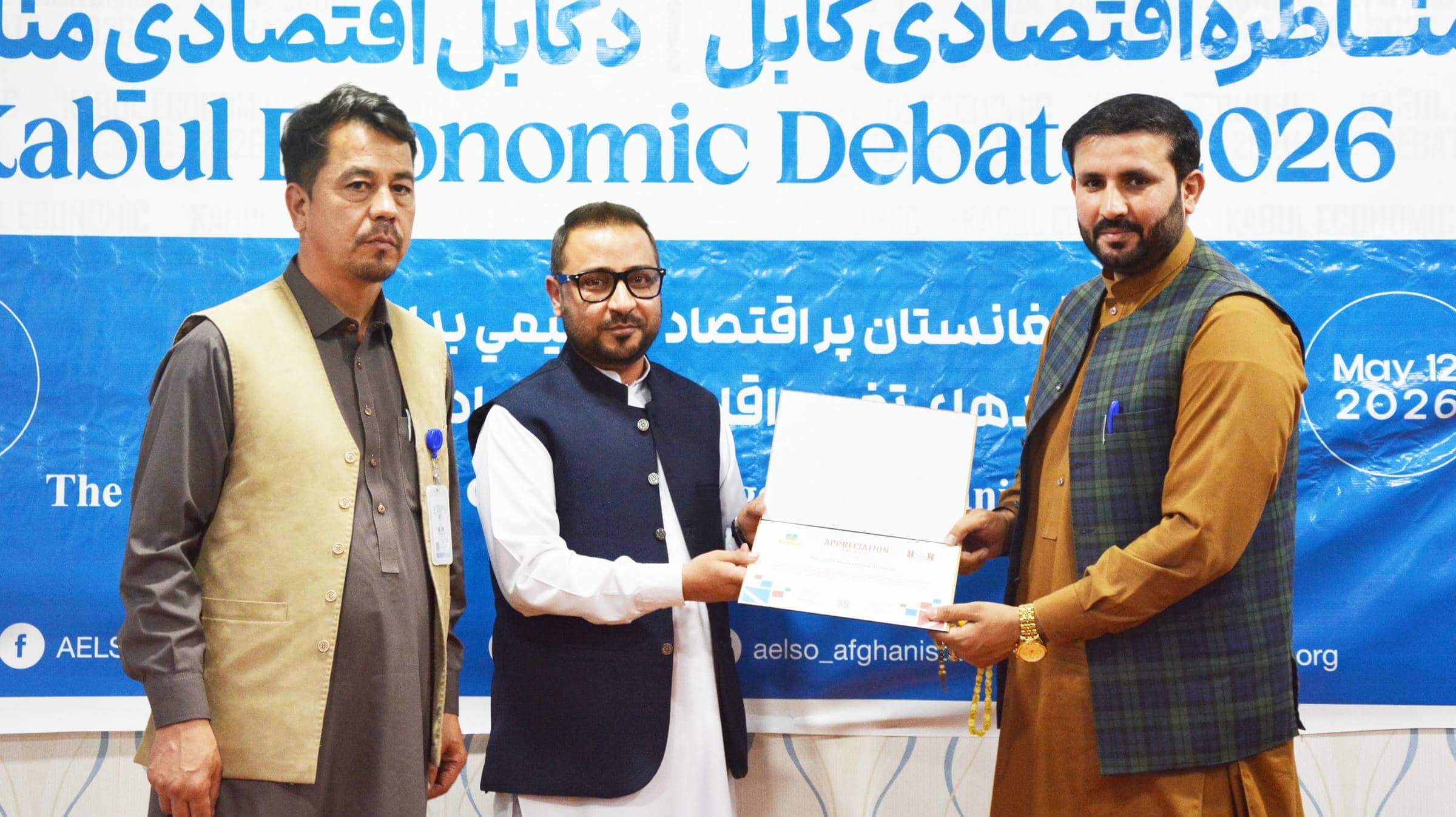
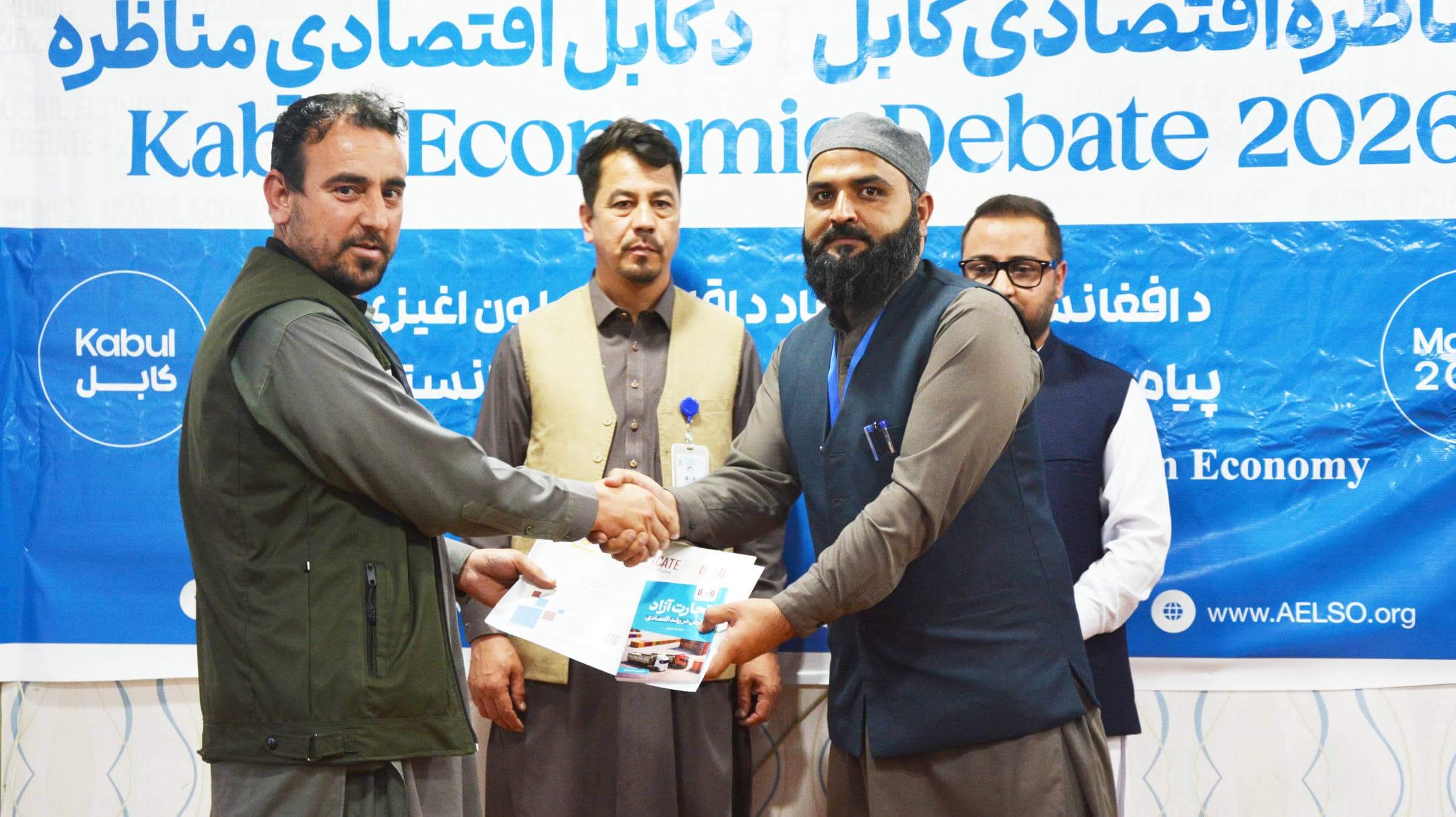
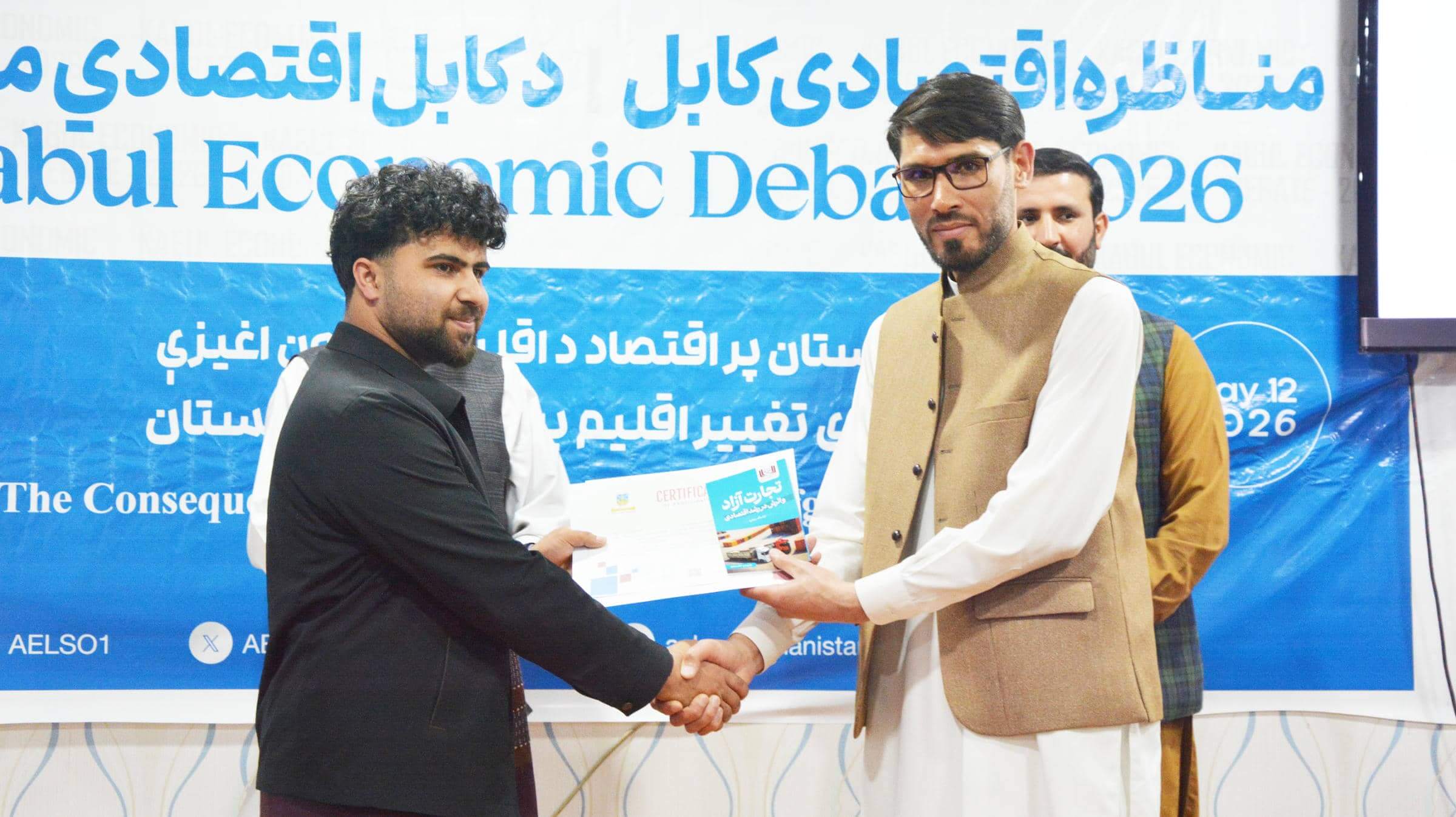
In the concluding segment of the program, the book “Free Trade and How It Enriches Us” by Donald Boudreaux was introduced as a key resource in the field of market economics. The book examines the role of free trade in economic development and its connection to sustainable growth, which attracted considerable interest among participants. Printed copies of the book were distributed to attendees, along with a selection of related academic resources provided by the Afghanistan Economic and Legal Studies Organization (AELSO) to professors, students, and participants.
The Kabul Economic Debate ultimately reaffirmed the importance of academic dialogue and the exchange of expert perspectives in addressing national challenges. It highlighted that the future of Afghanistan’s economy is increasingly dependent on its ability to adapt to climate change and to implement informed, forward-looking policies.