Youth Entrepreneurship Highlighted as a Key Driver of Afghanistan’s Economic Transformation
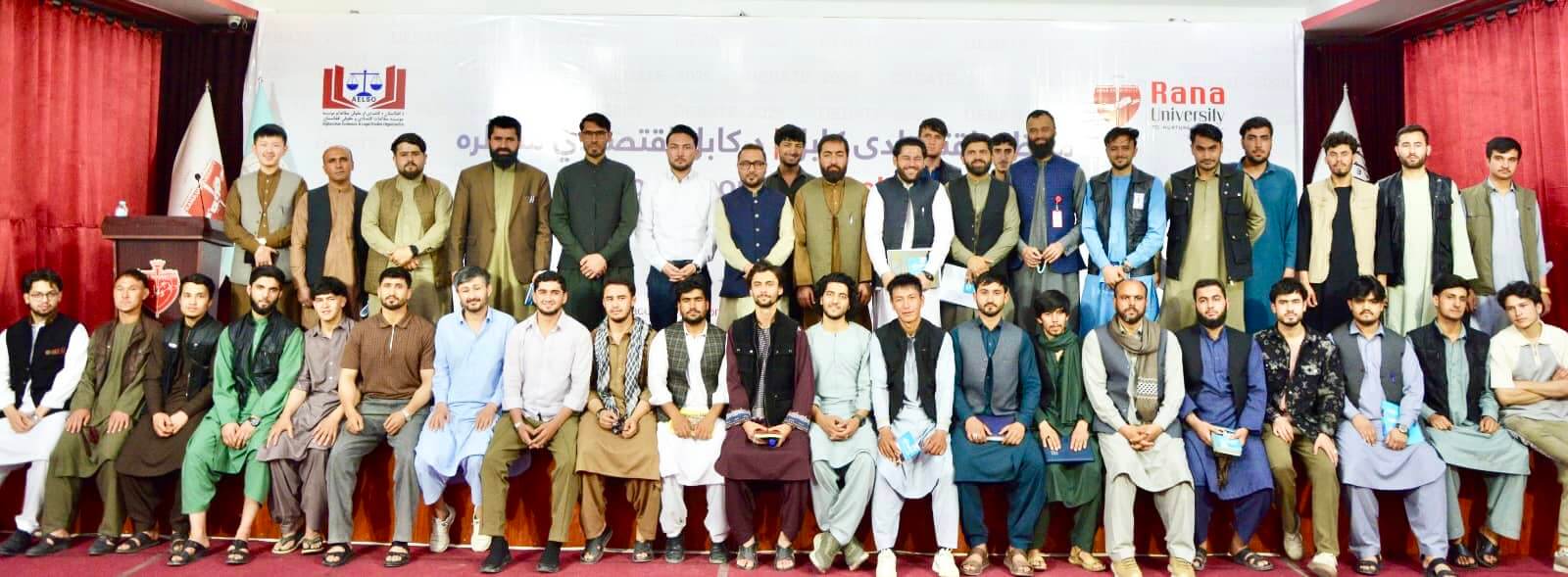
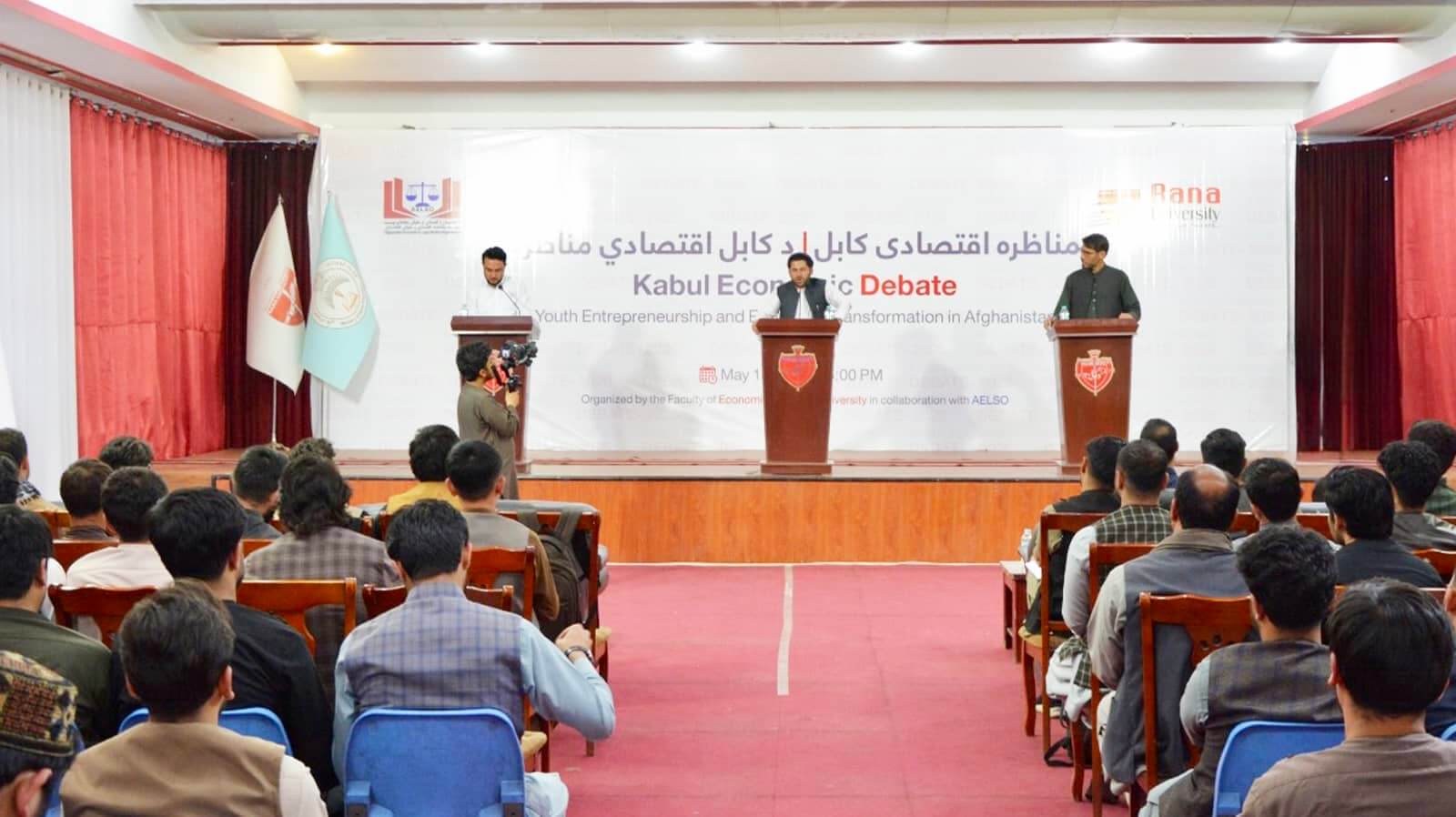
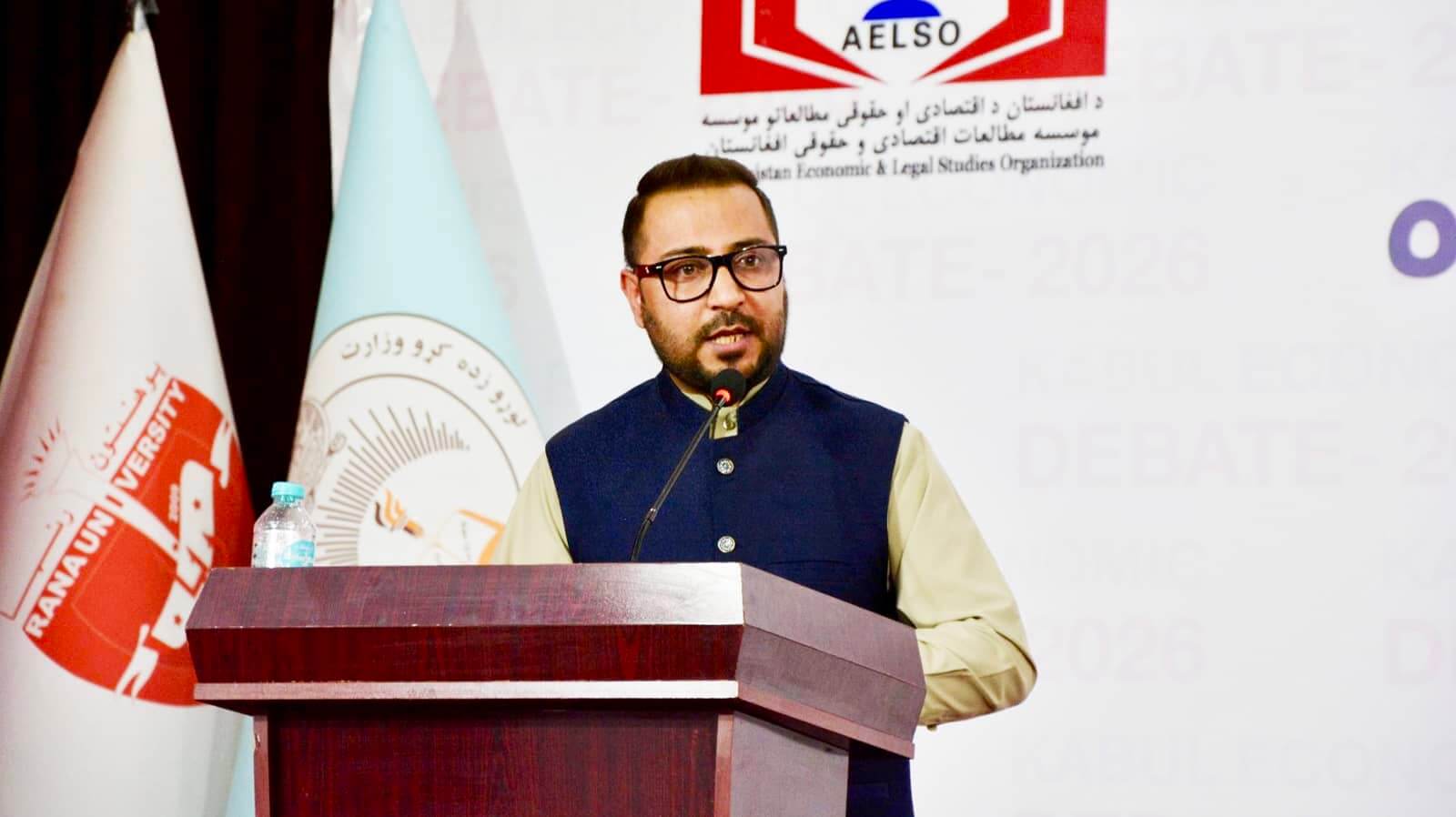
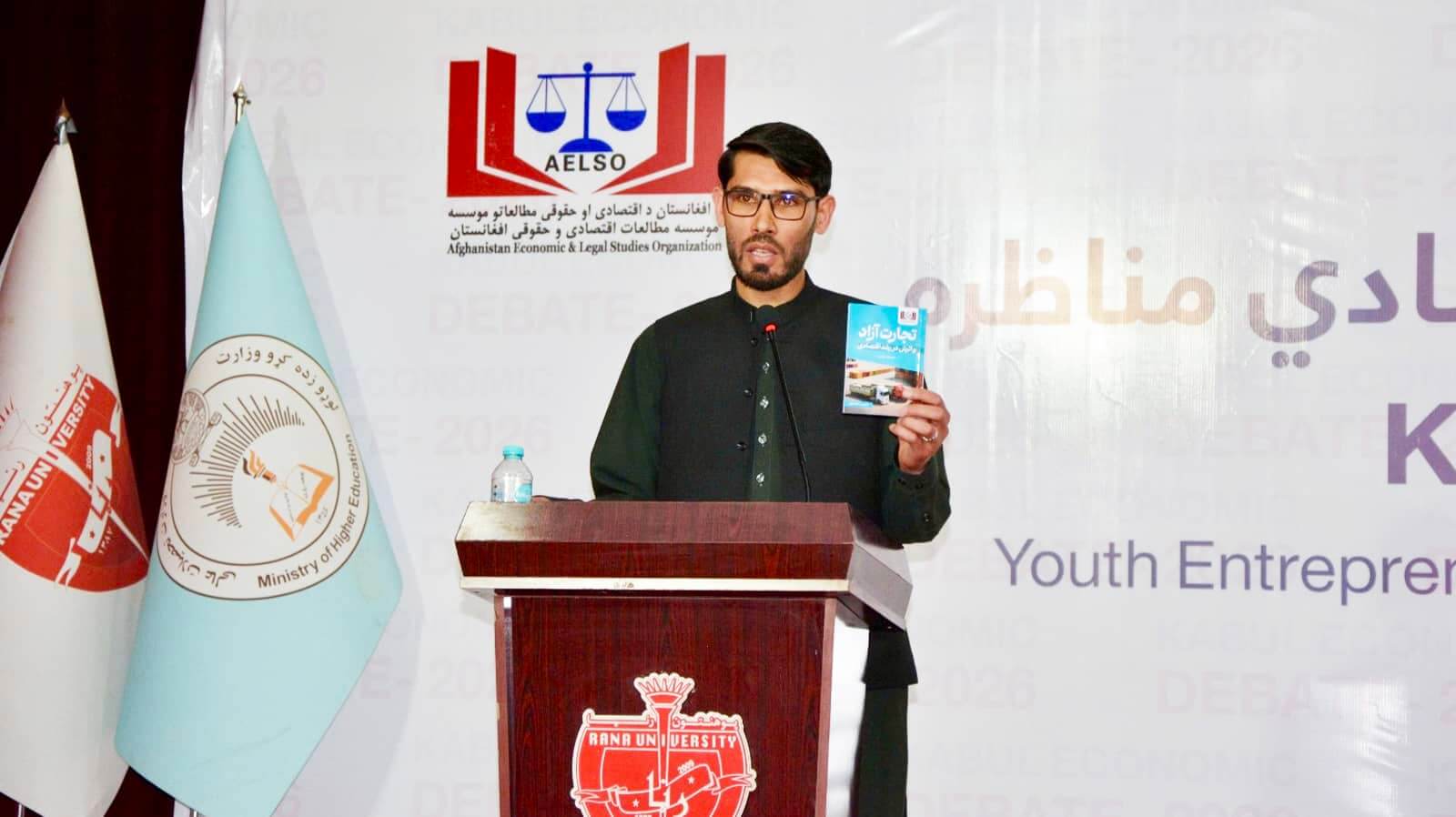
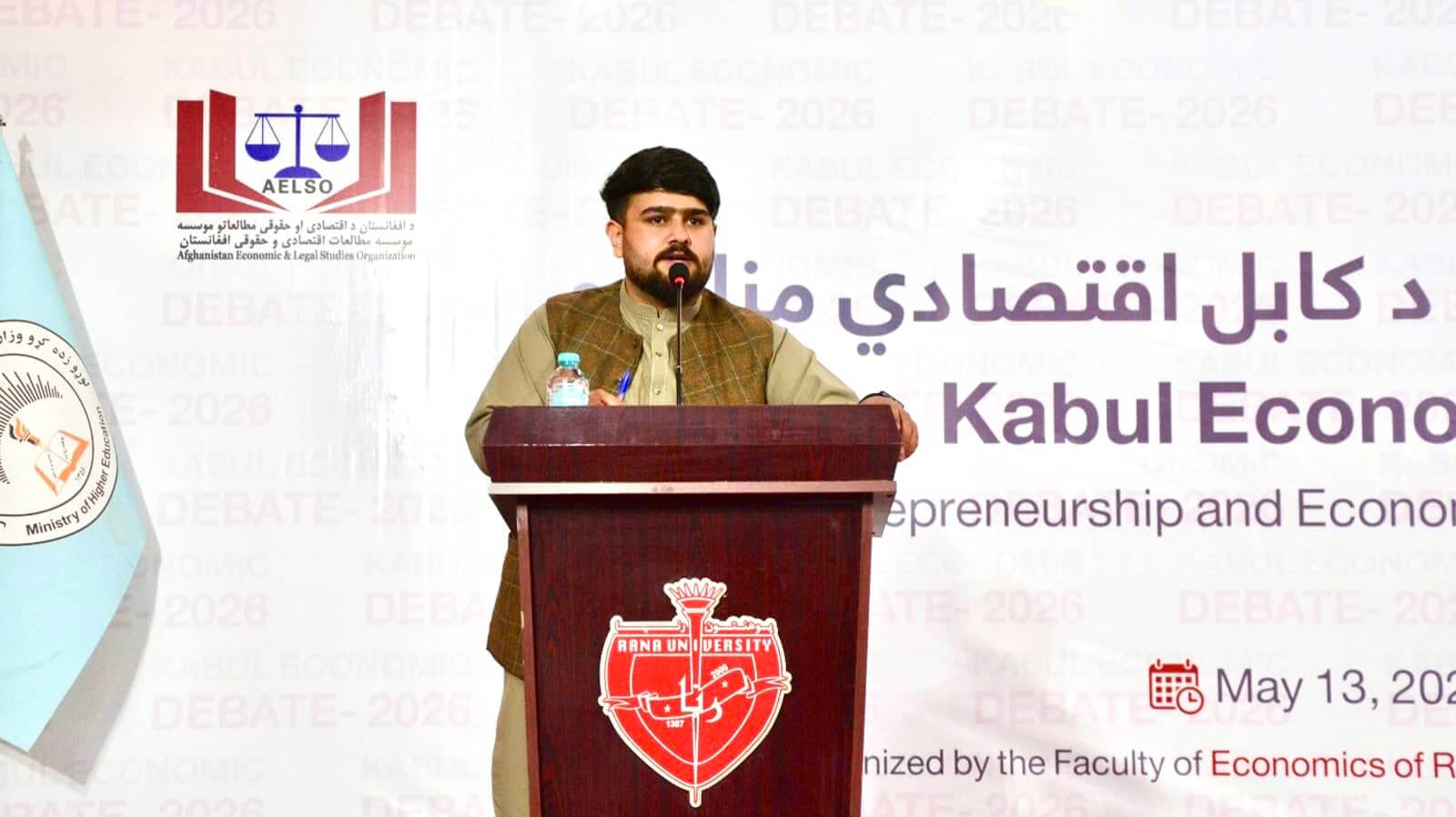
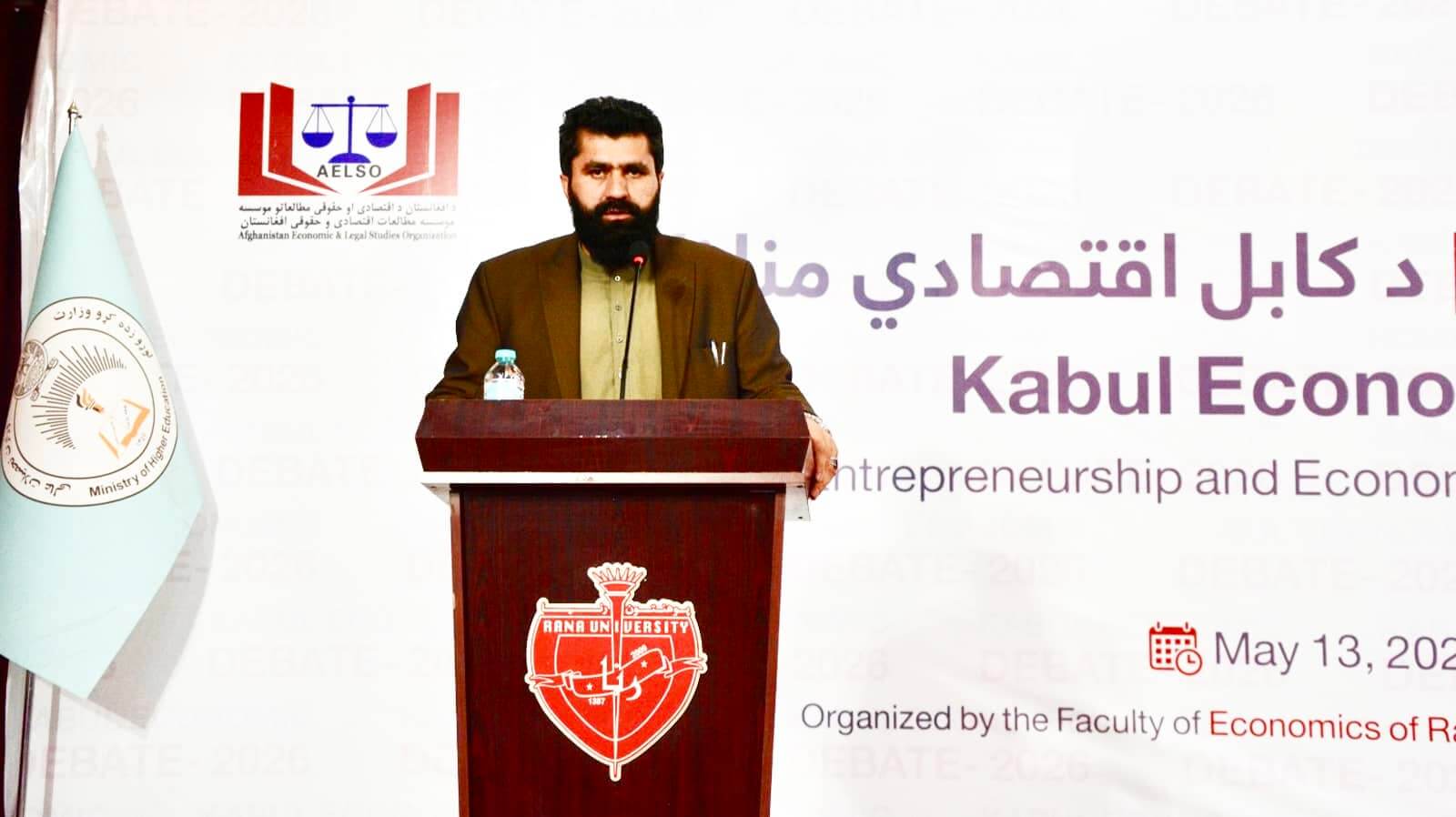
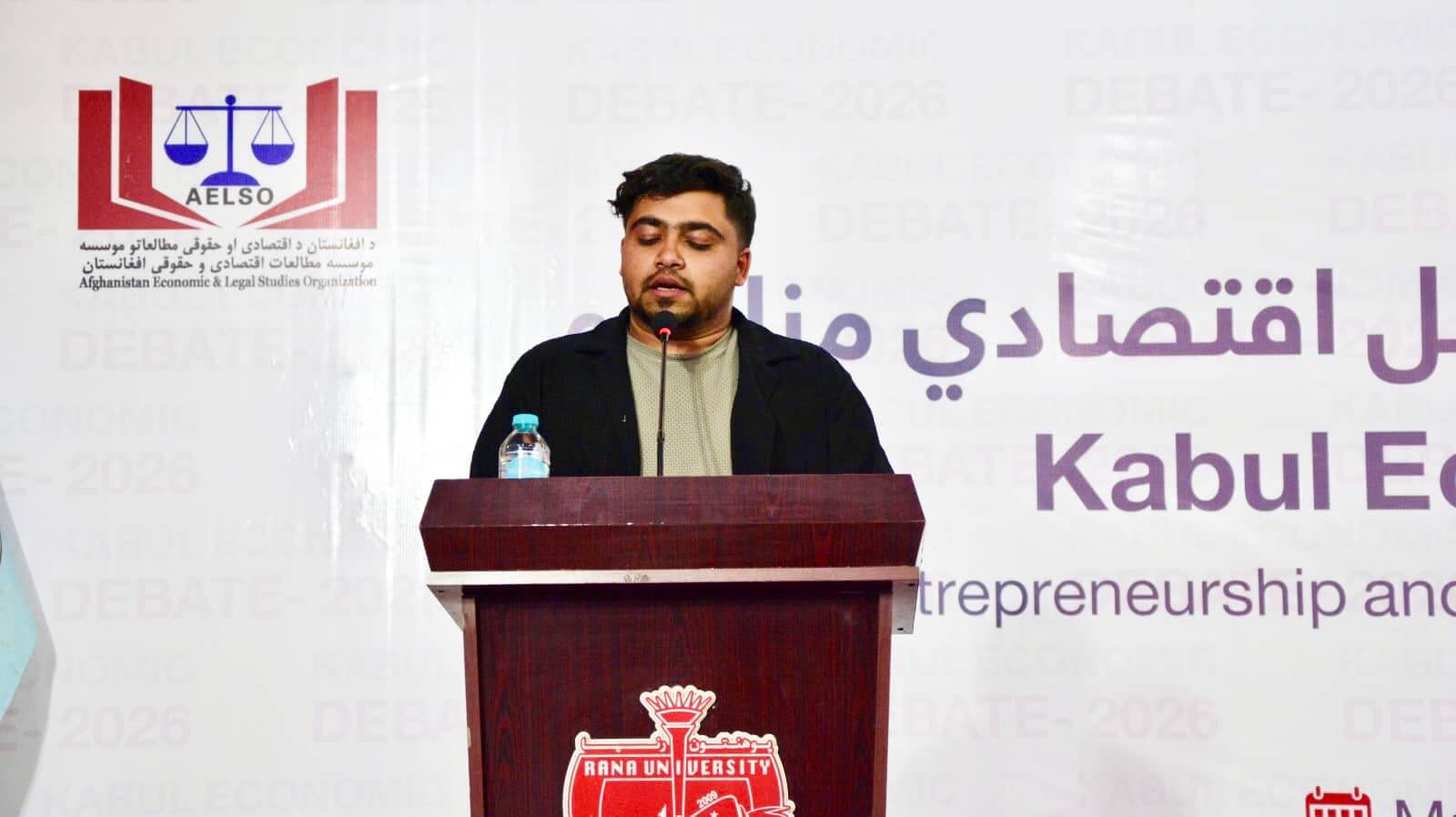
How can Afghanistan’s youth become a force for economic recovery and long-term development? This question stood at the center of the Kabul Economic Debate, where academics, entrepreneurs, researchers, and students gathered to discuss the role of youth entrepreneurship in shaping the country’s future. The event, organized by the Afghanistan Institute for Economic and Legal Studies in collaboration with Rana University, focused on the theme: “Youth Entrepreneurship and Afghanistan’s Economic Transformation.”

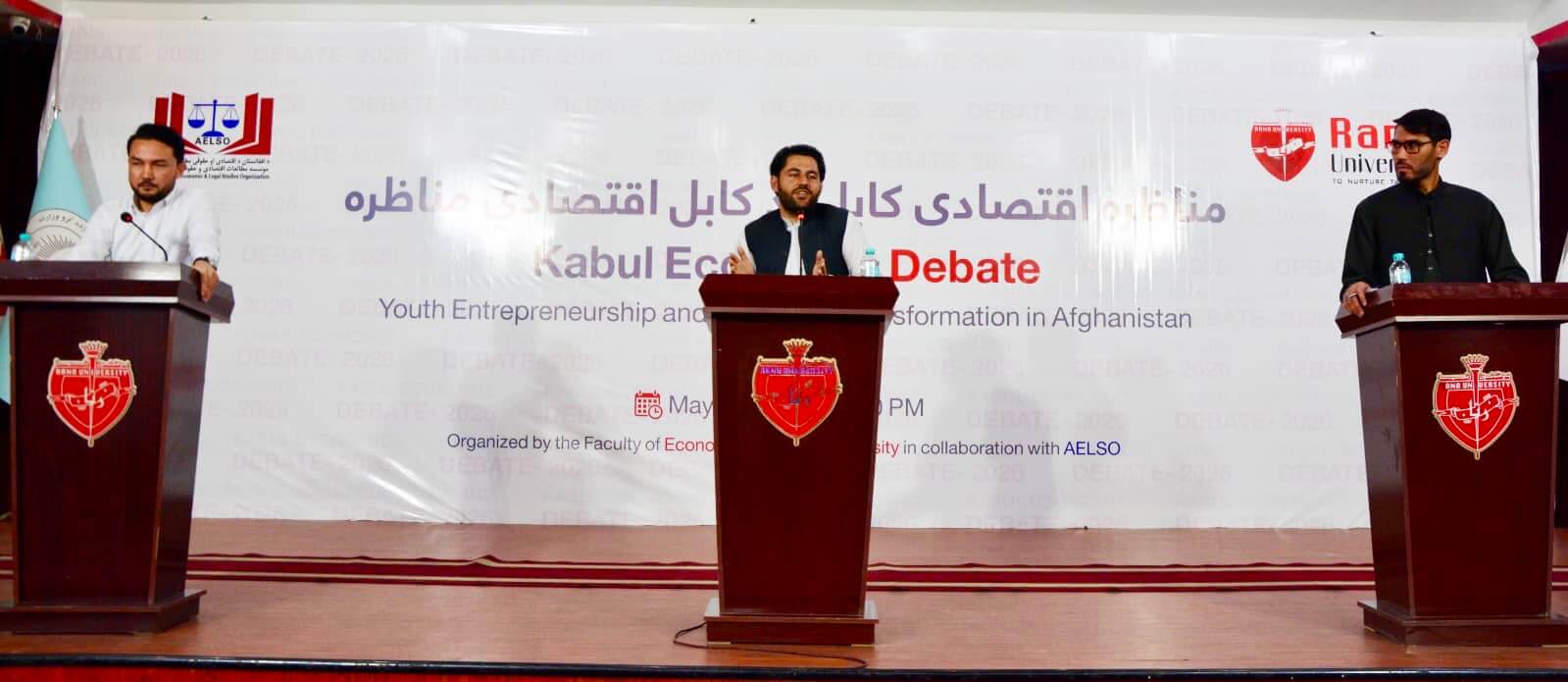
Opening the session, the Dean of the Faculty of Economics at Rana University emphasized that entrepreneurship is not simply about starting businesses, but about creating long-term economic change. He described entrepreneurship as a driving force behind economic transformation and stressed that universities must go beyond theoretical teaching by helping students develop practical skills, creativity, and innovative thinking. According to him, empowering young people with these abilities is essential for building a productive and self-reliant society.
Throughout the debate, experts highlighted the important role young entrepreneurs can play in addressing unemployment, generating income, and creating new economic opportunities. They noted that Afghanistan’s youth possess strong intellectual and creative potential, which, if properly supported, can contribute significantly to the country’s economic growth and market development.
Speakers also discussed how entrepreneurship encourages innovation and helps transform ideas into practical businesses and services. They explained that when young people are given access to knowledge, investment opportunities, and markets, they are better positioned to contribute to sustainable economic progress.
At the same time, the discussion openly addressed the challenges faced by aspiring entrepreneurs in Afghanistan. Participants pointed to limited financial support, a lack of specialized training opportunities, restricted market access, and the absence of stable economic policies as some of the major barriers preventing young people from turning their ideas into successful enterprises.
To overcome these obstacles, experts called for stronger cooperation between universities, private sector institutions, and economic organizations. They emphasized the need for supportive programs, investment opportunities, and skill-development initiatives that can help young entrepreneurs grow their businesses and contribute to the national economy.

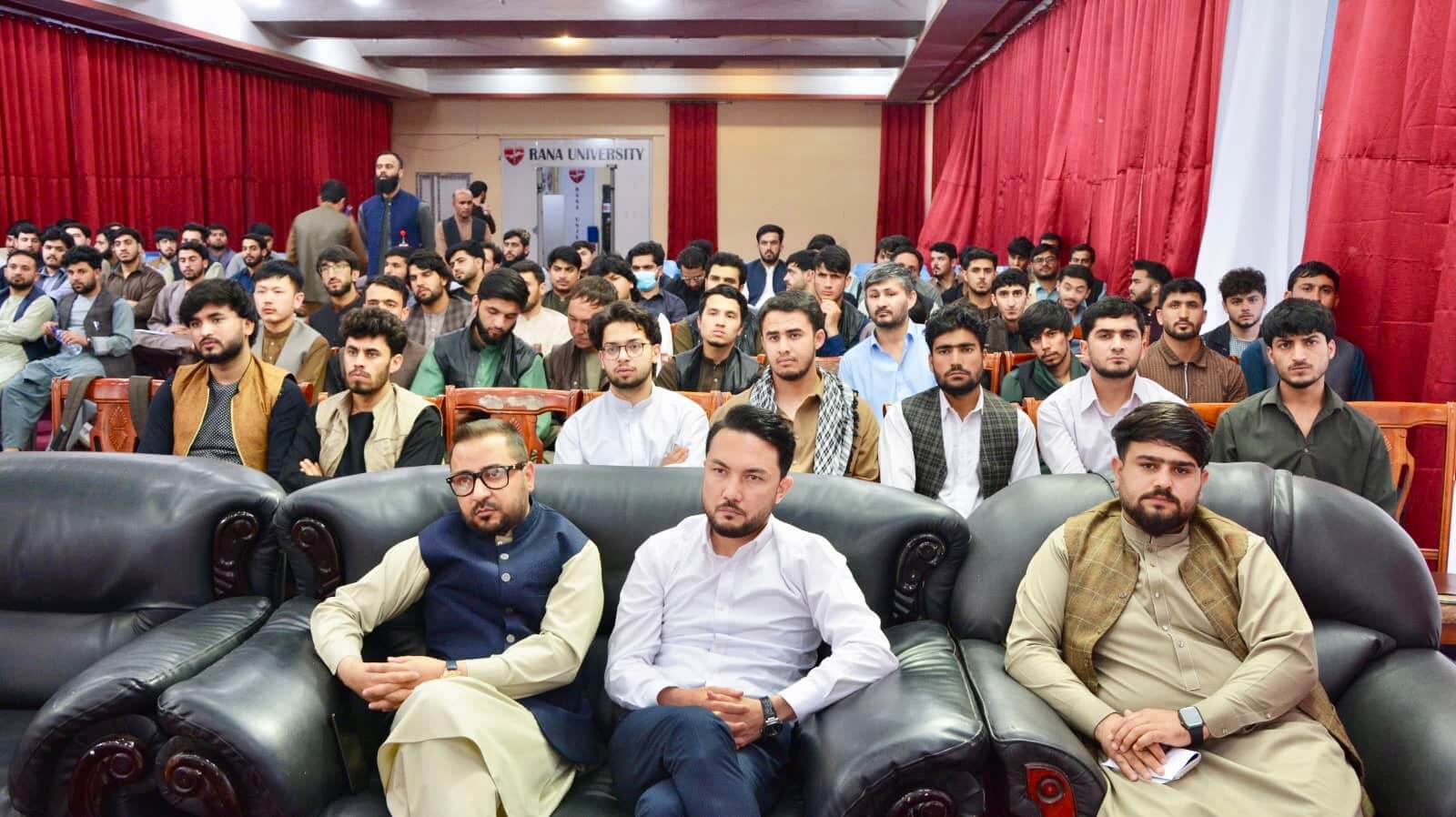
The debate also became an interactive platform for students and participants, who actively shared their perspectives, questions, and suggestions. This created a constructive dialogue between the younger generation and economic experts, making the session both engaging and practical.


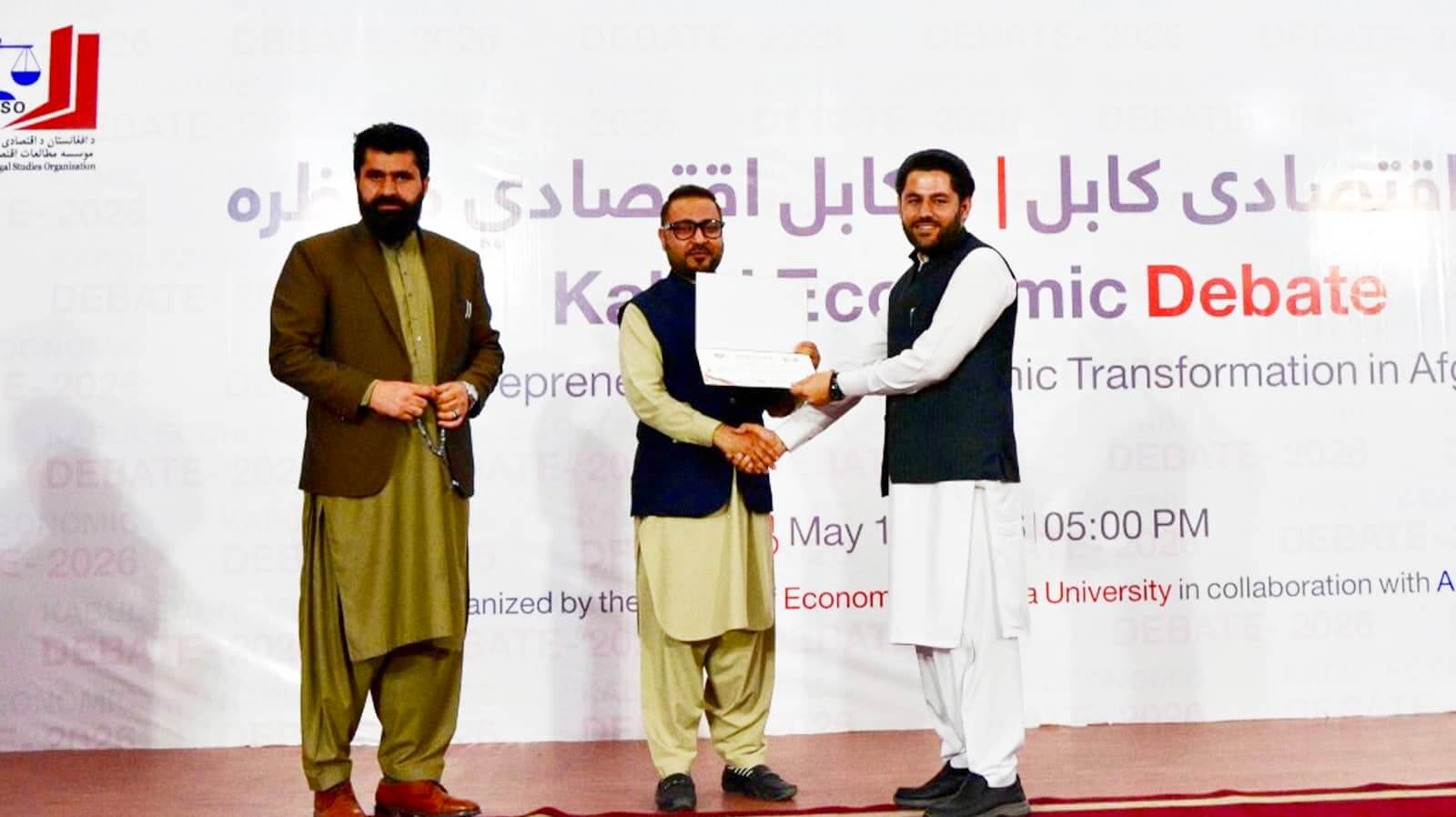
In the concluding remarks, participants agreed that youth entrepreneurship should be viewed as a strategic tool for Afghanistan’s economic transformation, emphasizing the need for greater investment in education, innovation, and entrepreneurial support systems to unlock the potential of the country’s youth. The program ended with a collective call for the continuation of such initiatives, which participants described as essential for raising economic awareness, strengthening the culture of entrepreneurship, and encouraging young people toward innovation, self-reliance, and sustainable business creation.