Agricultural and Industrial Economy; Two Fundamental Pillars of Afghanistan’s Economic Development
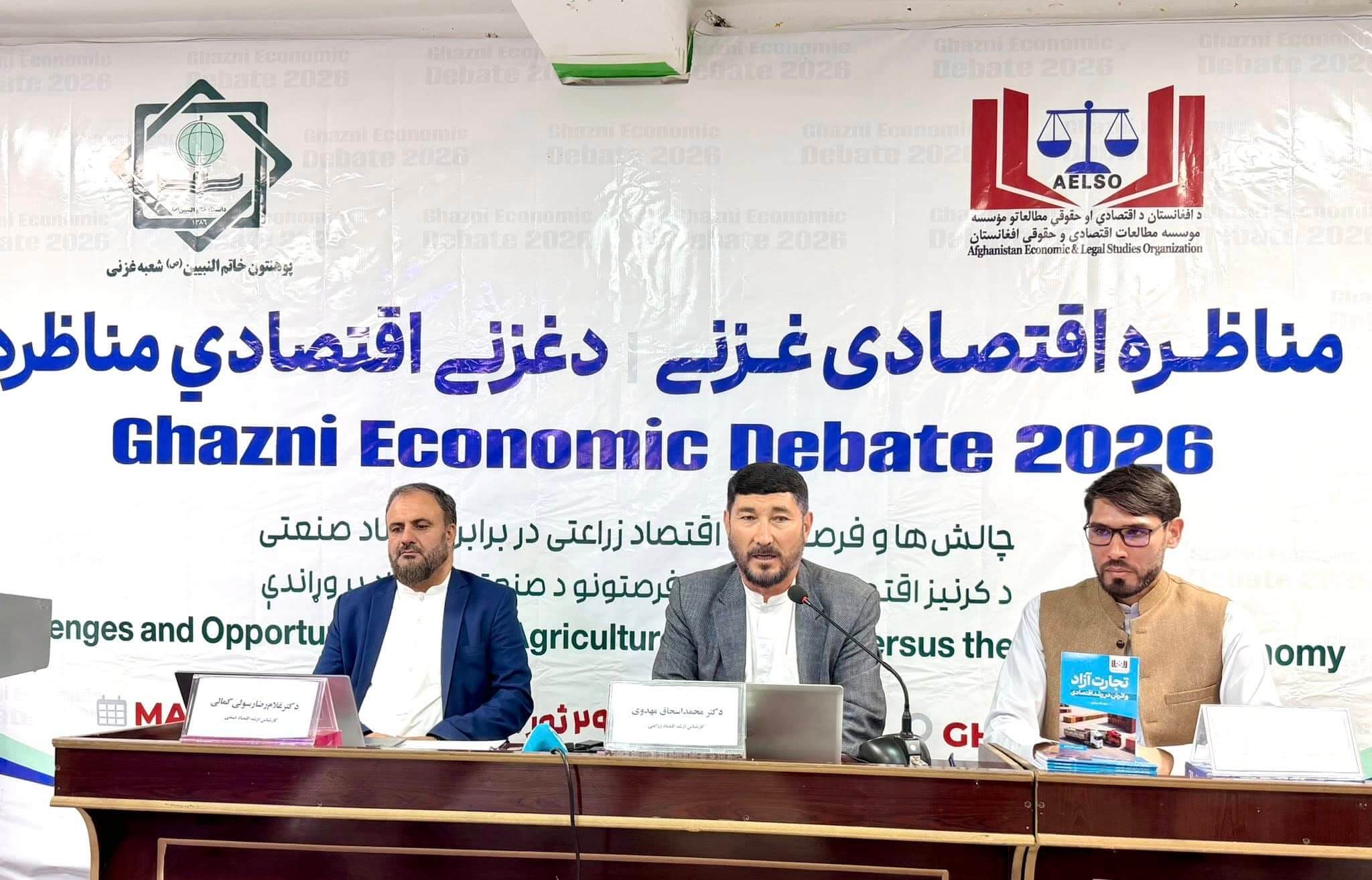
In conditions where Afghanistan’s economy is facing challenges and fragility more than ever before, the “Ghazni Economic Debate” centered on “Opportunities and Challenges of the Agricultural and Industrial Economy” provided a platform for the exchange of thoughts, scientific examination, and analysis of various dimensions of these two important economic sectors.
This debate was organized by the Afghanistan Economic and Legal Studies Organization (AELSO) in collaboration with Khatam Al-Nabieen University, and with the presence of professors, researchers, experts, economic activists, and students in the city of Ghazni.
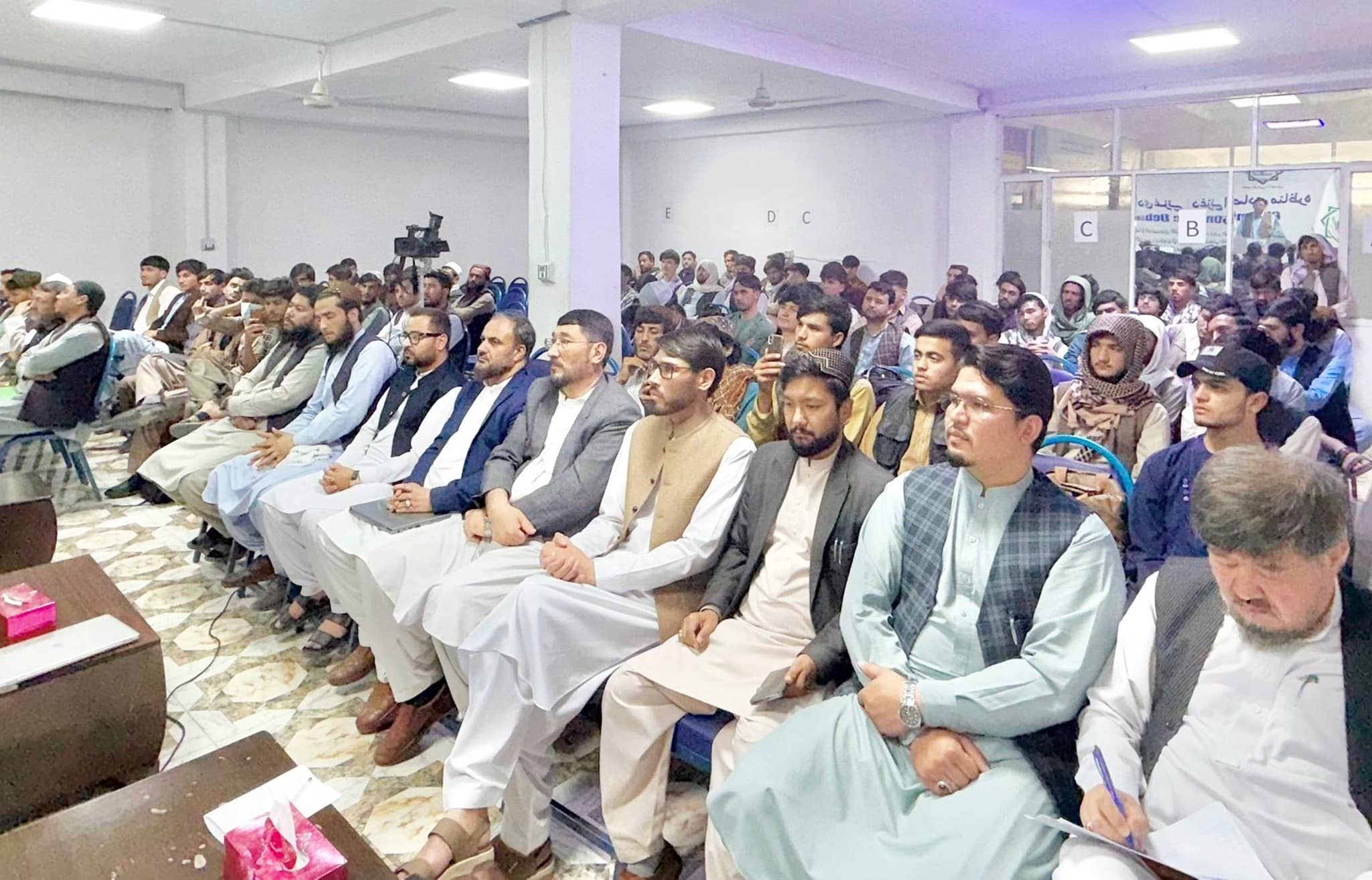
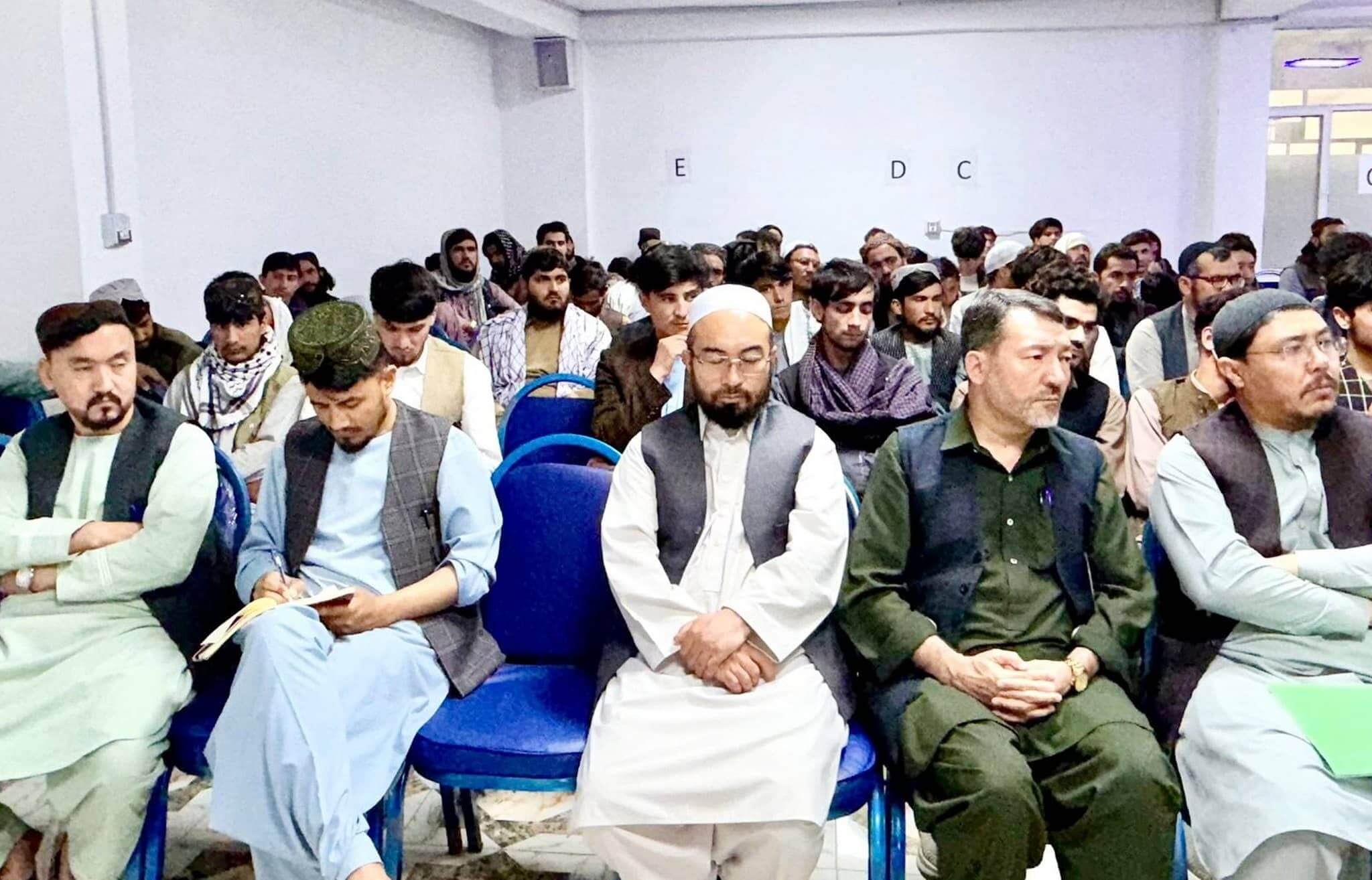
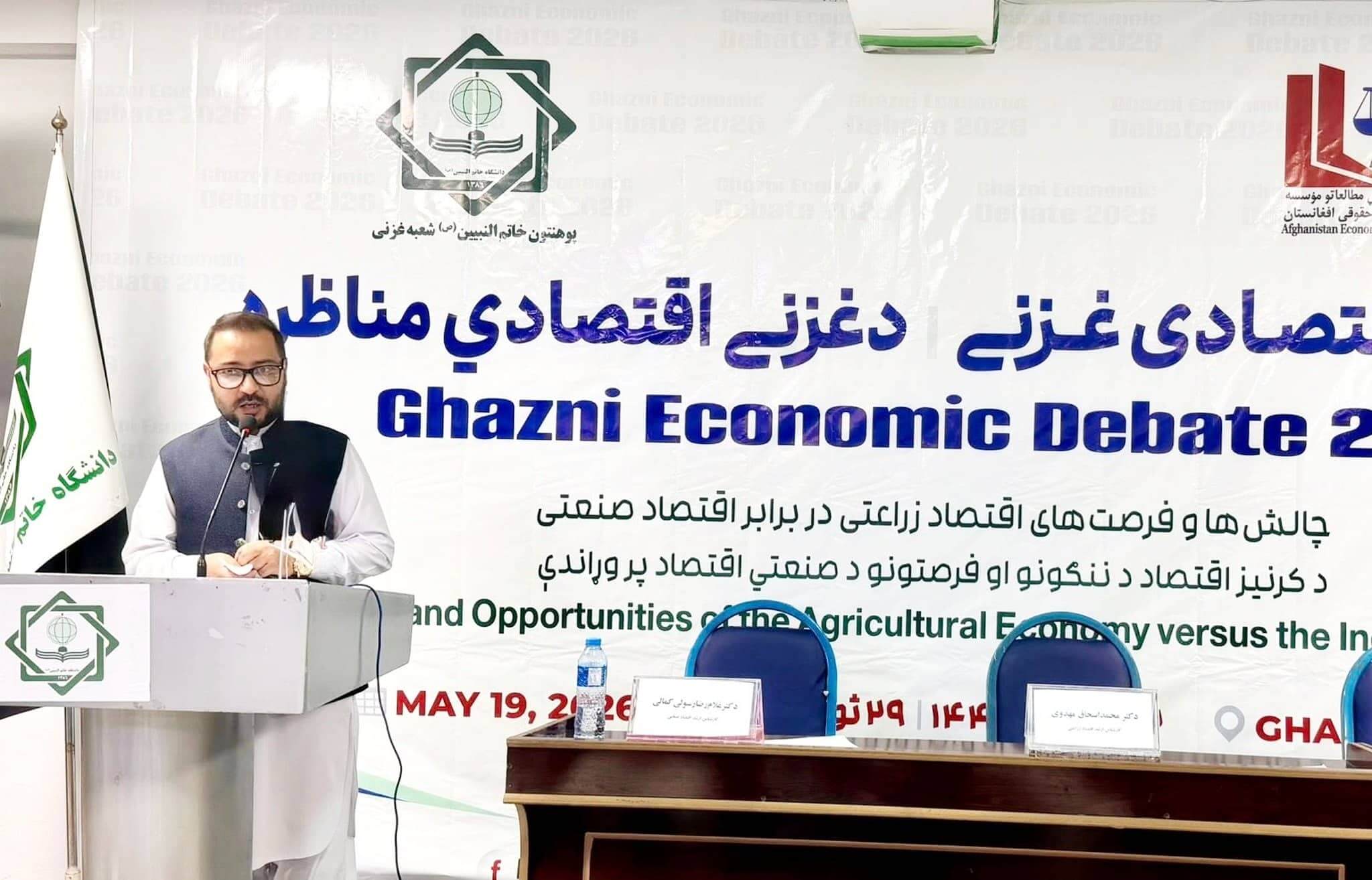
At the beginning of the program, the Dean of the Economics Faculty of Khatam Al-Nabieen University, while appreciating the organizers of this program, described the holding of such debates as important for developing a culture of scientific dialogue and examining practical solutions for Afghanistan’s economic development. He added that to overcome the current crises, Afghanistan’s economy requires scientific planning, proper use of domestic capacities, and the creation of coordination between the agriculture and industry sectors.
According to him, the Ghazni Economic Debate has provided a suitable opportunity for the scientific and practical examination of capacities, challenges, and solutions for the development of the agricultural and industrial economy, and can play an effective role in increasing the awareness of students and youth regarding the country’s economic issues.
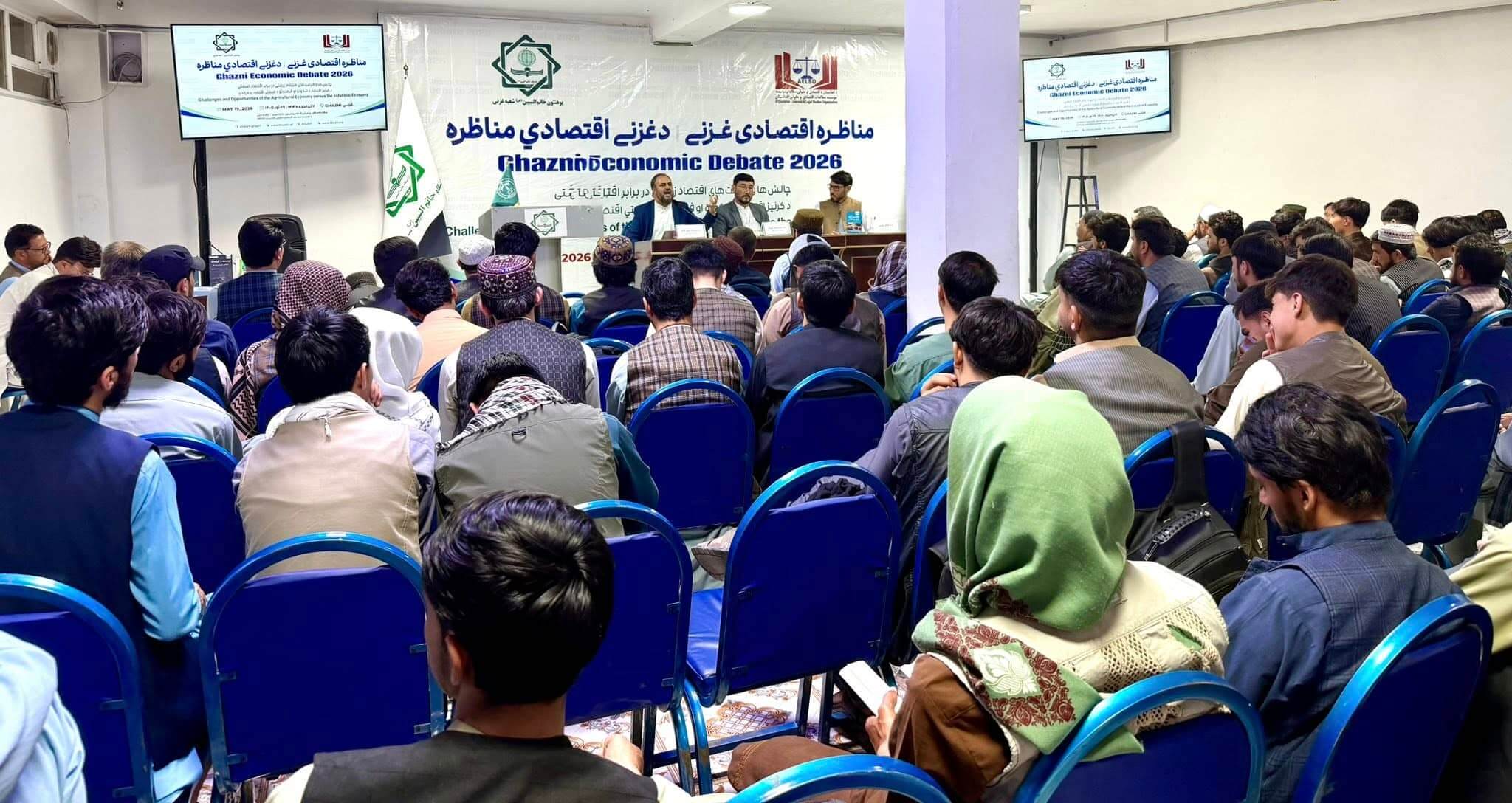
The experts present at this debate considered the agricultural and industrial economy as the two fundamental wings of economic development and emphasized that sustainable economic growth is impossible without simultaneous attention to these two sectors. They stated that the agricultural and industrial economies are not only not in opposition to each other, but are complementary and mutually dependent, and strengthening either one can also pave the way for the growth of the other.
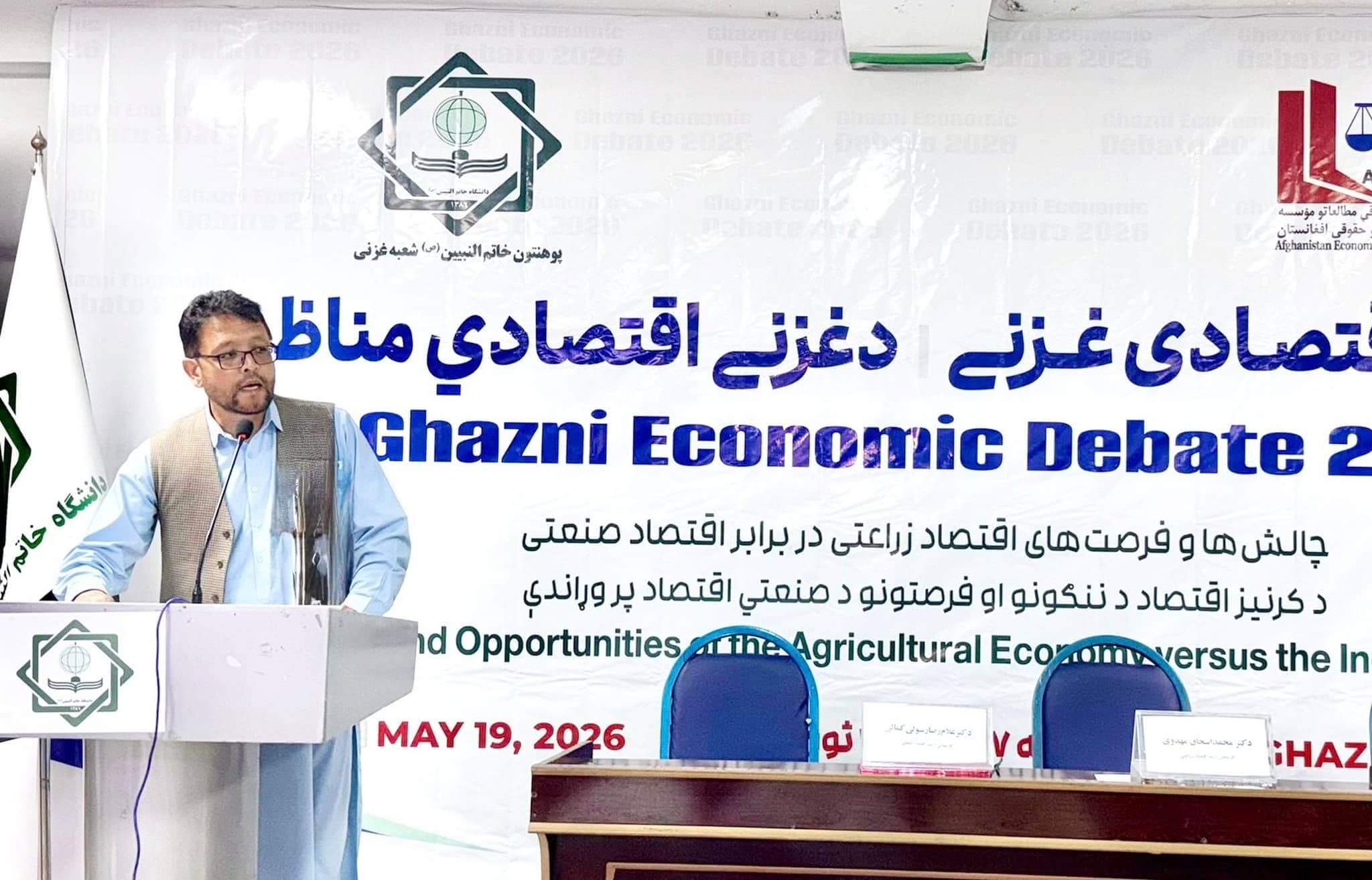
Dr. Mahdavi, an agricultural economy expert, highlighting the importance of agriculture in Afghanistan, said that in the current conditions, the agricultural economy has special priority; because a large segment of the people depends on agriculture for their livelihood and food supply. He added that food insecurity, consecutive droughts, and a decrease in domestic production have created serious threats to Afghan society, and attention to agriculture can reduce the level of these threats.
He further clarified that Afghanistan possesses extensive agricultural capacities, and the existence of fertile lands, climatic diversity, suitable weather in some regions, and the production of high-quality fruits are considered among the most important comparative advantages of the country’s agricultural economy. In his belief, if serious investment is made in agricultural development, Afghanistan can achieve relative self-sufficiency in the food sector.
On the other hand, Dr. Kamali, an industrial economy expert, emphasizing the importance of the country’s industrialization, stated that to overcome economic dependency and reduce poverty, Afghanistan is compelled to move towards an industrial economy. He said that industrialization can create extensive employment opportunities, reduce reliance on imports, and pave the way for export growth.
He added that the limitation of fertile lands and the increase in demographic needs require Afghanistan to pay serious attention to the growth of manufacturing and processing industries alongside agricultural development; because industries can increase the value-added of agricultural products and strengthen the country’s economy.
The experts of this debate also examined the comparative advantages of the agricultural and industrial economy and stated that water, suitable geographical location, fertile lands, diverse agricultural products, and high-quality fruits are counted as the most important capacities of Afghanistan’s agricultural economy. In contrast, the country’s natural resources, mines, and transit location were considered important capacities for the development of the industrial economy; although the professional and effective use of these capacities still faces many problems and limitations.
In another part of this debate, the experts also discussed the fundamental challenges facing the agricultural and industrial economy. They said that water shortage, climate change, weakness of infrastructure, lack of professional awareness among farmers, use of traditional farming methods, lack of cold storages, shortage of suitable markets, and the non-mechanization of agriculture are among the major existing challenges to Afghanistan’s agricultural economy.
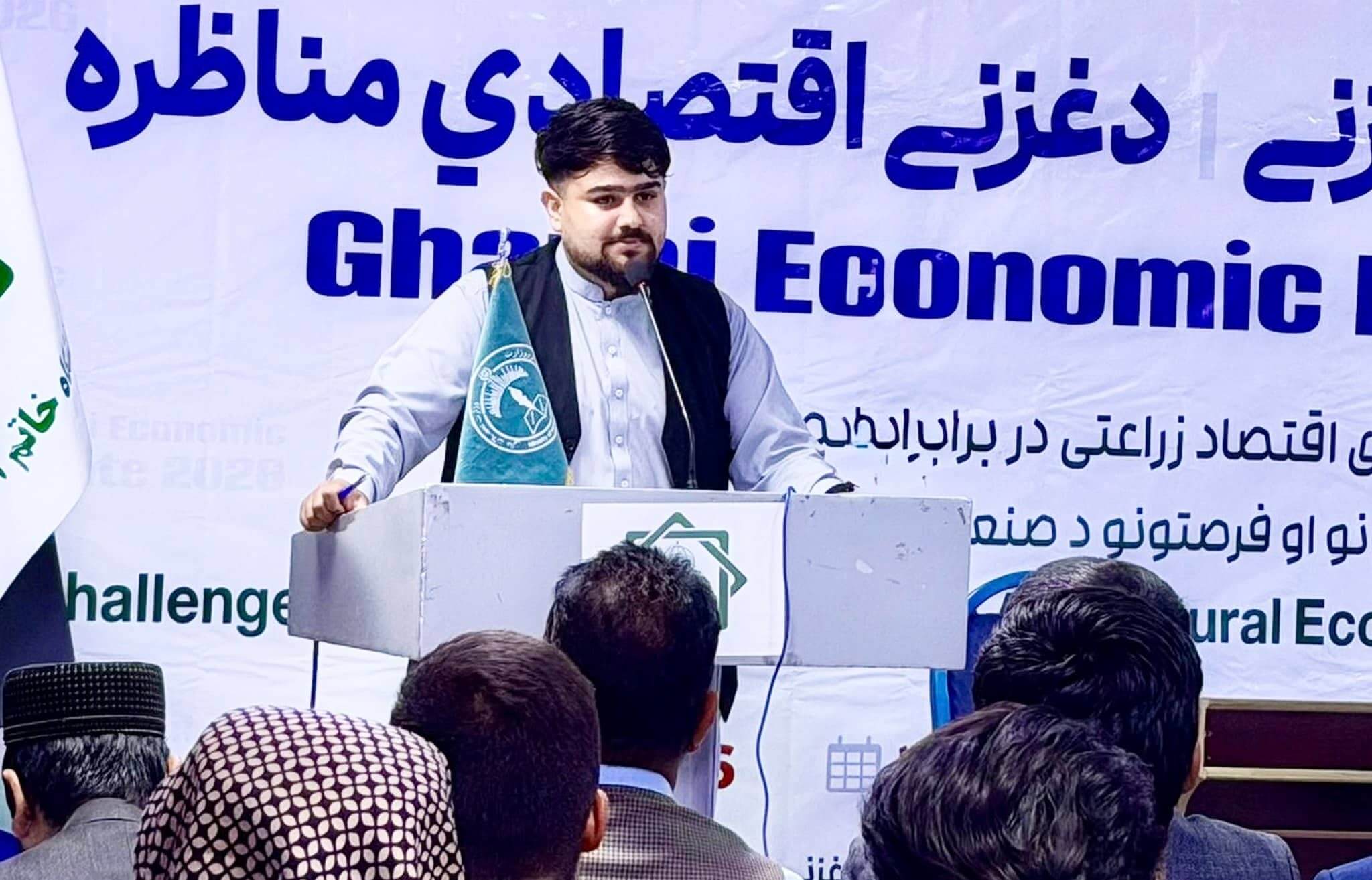
According to the experts, the industrial economy is also facing multiple problems including a lack of investment, weakness in energy and infrastructure, heavy reliance on imports, technological weakness, shortage of specialized workforce, lack of standard industrial parks, intense competition in regional markets, and weakness of the banking system.
Continuing, the experts also presented solutions for improving the country’s economic situation. They cited the reform of the irrigation system, establishment of agricultural research centers, increasing farmers’ awareness, infrastructure development, establishment of cold storages, searching for foreign markets for agricultural products, better management of water resources, and support for domestic productions as the most important solutions for developing the agricultural economy.
Likewise, the development of technical and vocational education, creation of industrial parks, support for domestic industries, development of industrial exports, effective use of natural resources, provision of necessary facilities for investors, strengthening of the banking system, and attraction of domestic and foreign investment were considered among the fundamental solutions for the growth of the industrial economy.
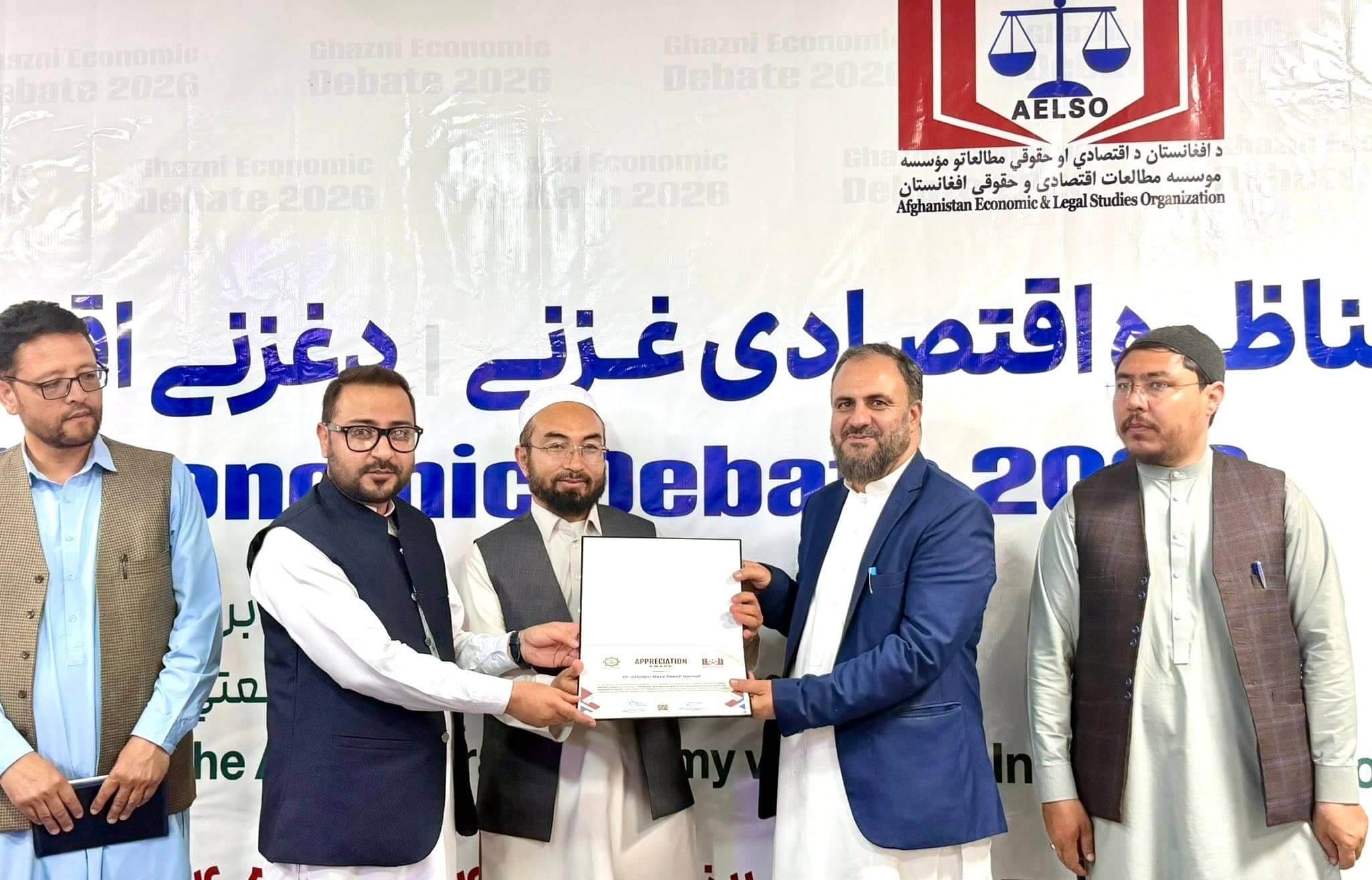
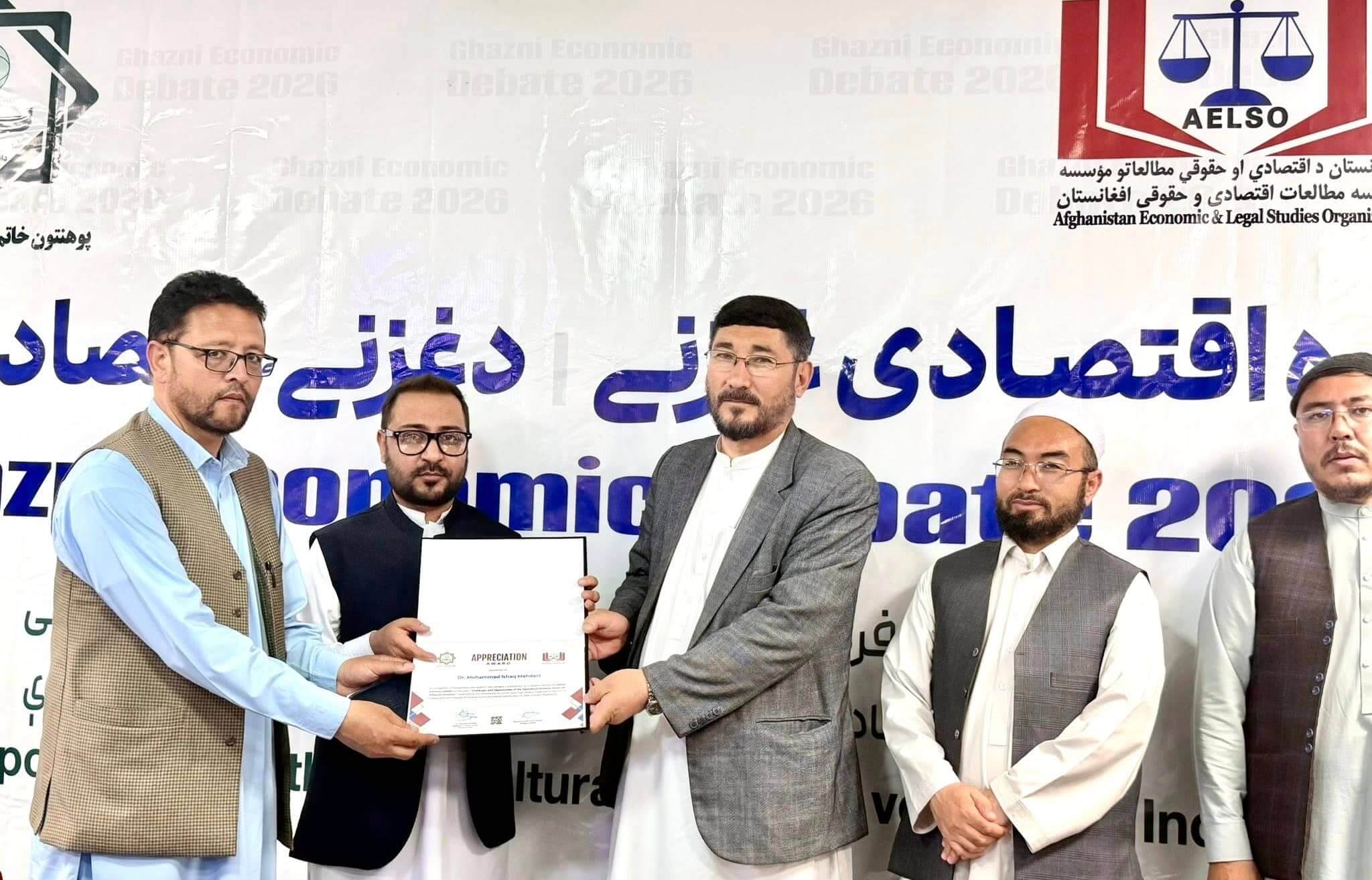
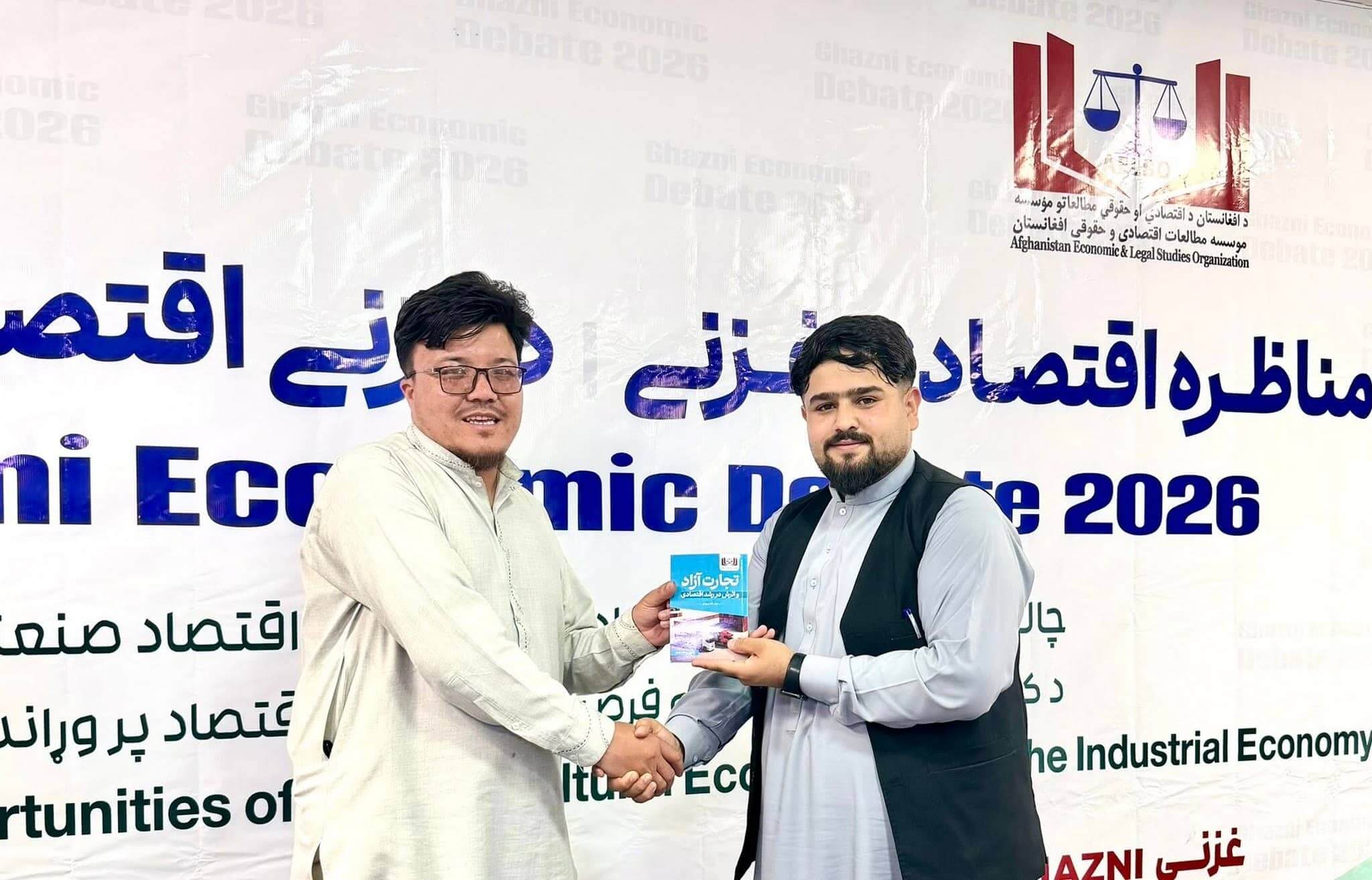
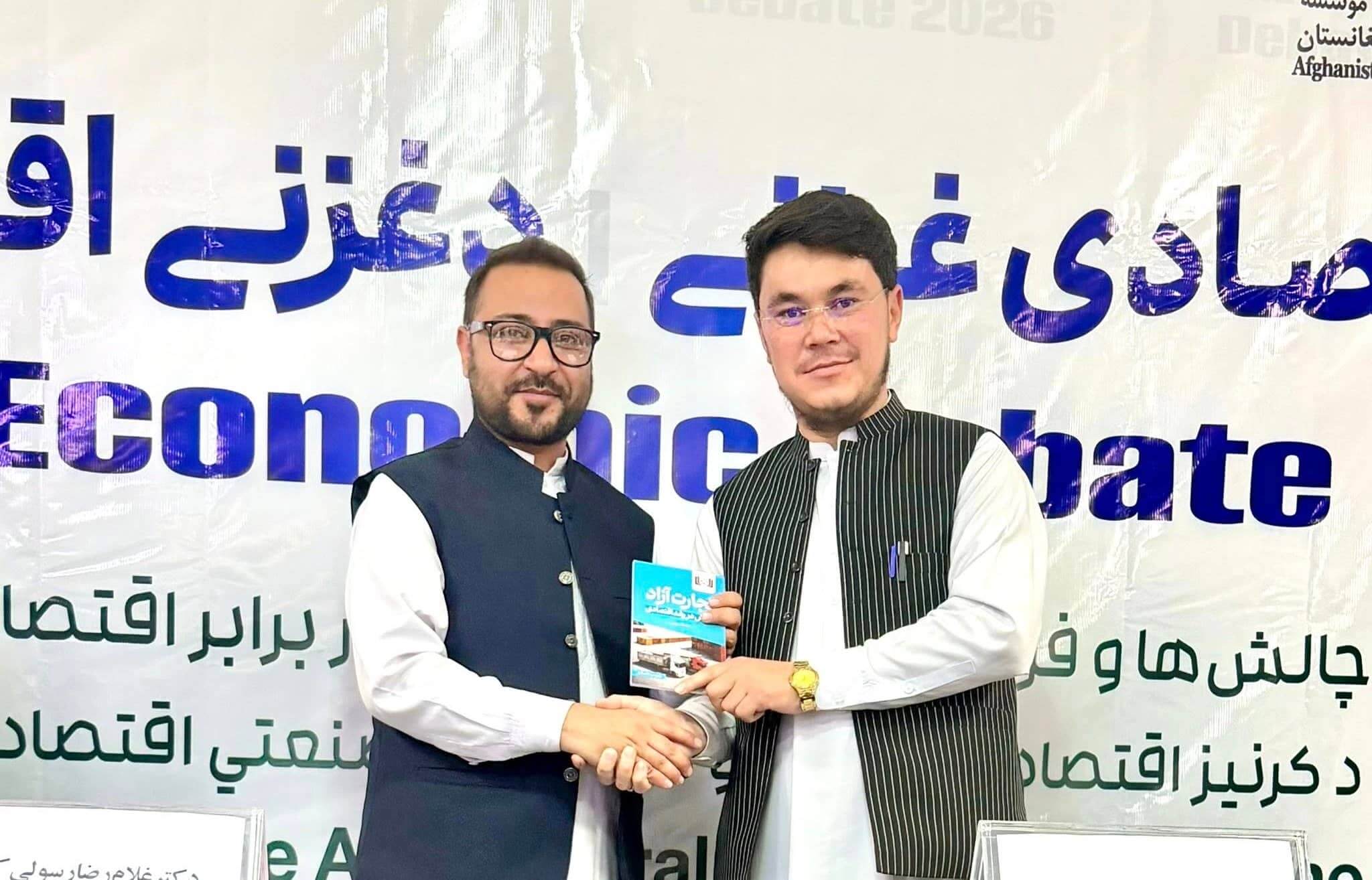
At the end of this debate, the participants emphasized the necessity of serious attention from the government, educational institutions, and the private sector to the simultaneous development of the agricultural and industrial economy, and expressed hope that by properly utilizing existing capacities, Afghanistan can move towards economic self-sufficiency, poverty reduction, and the creation of sustainable employment opportunities.
The Afghanistan Economic and Legal Studies Organization appreciated the collaboration and hosting of Khatam Al-Nabieen University, the presence of professors, experts, researchers, and the active participation of students, and is committed to the continuation of holding scientific and economic programs in order to elevate the level of awareness and expand the culture of scientific dialogue in the country.