Employment or Entrepreneurship: Herat Economic Debate Examines Two Career Paths for Young People
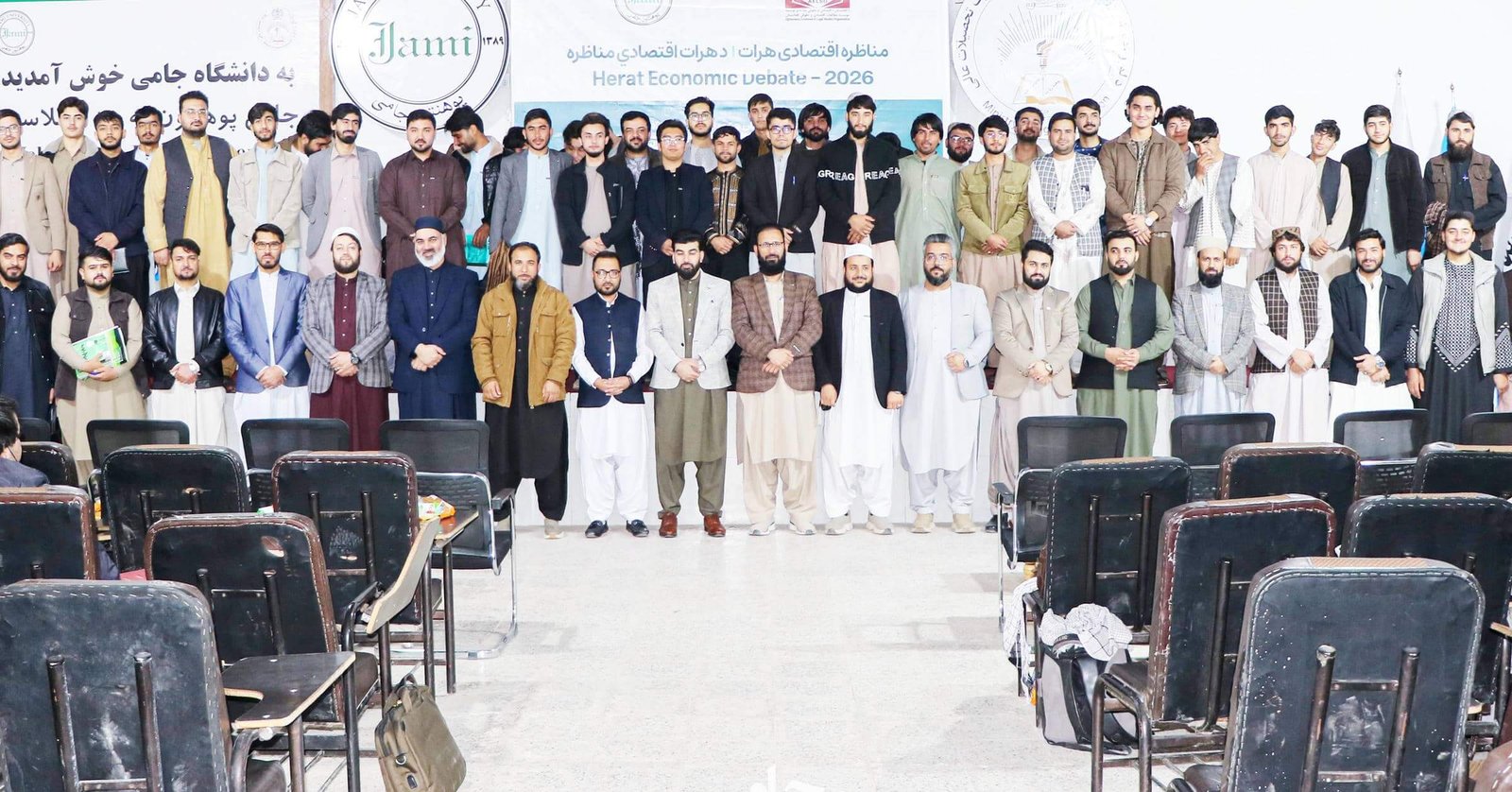
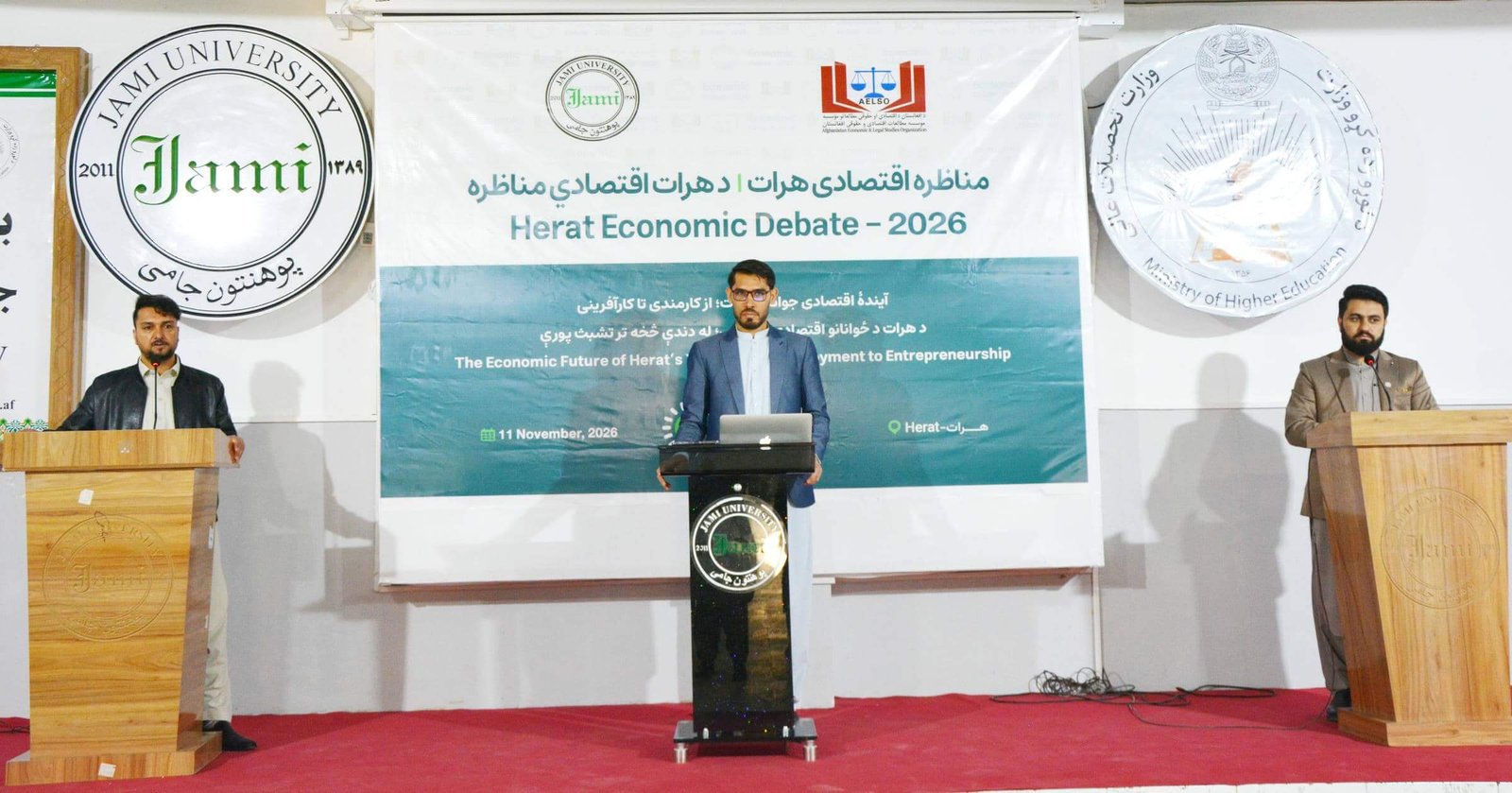
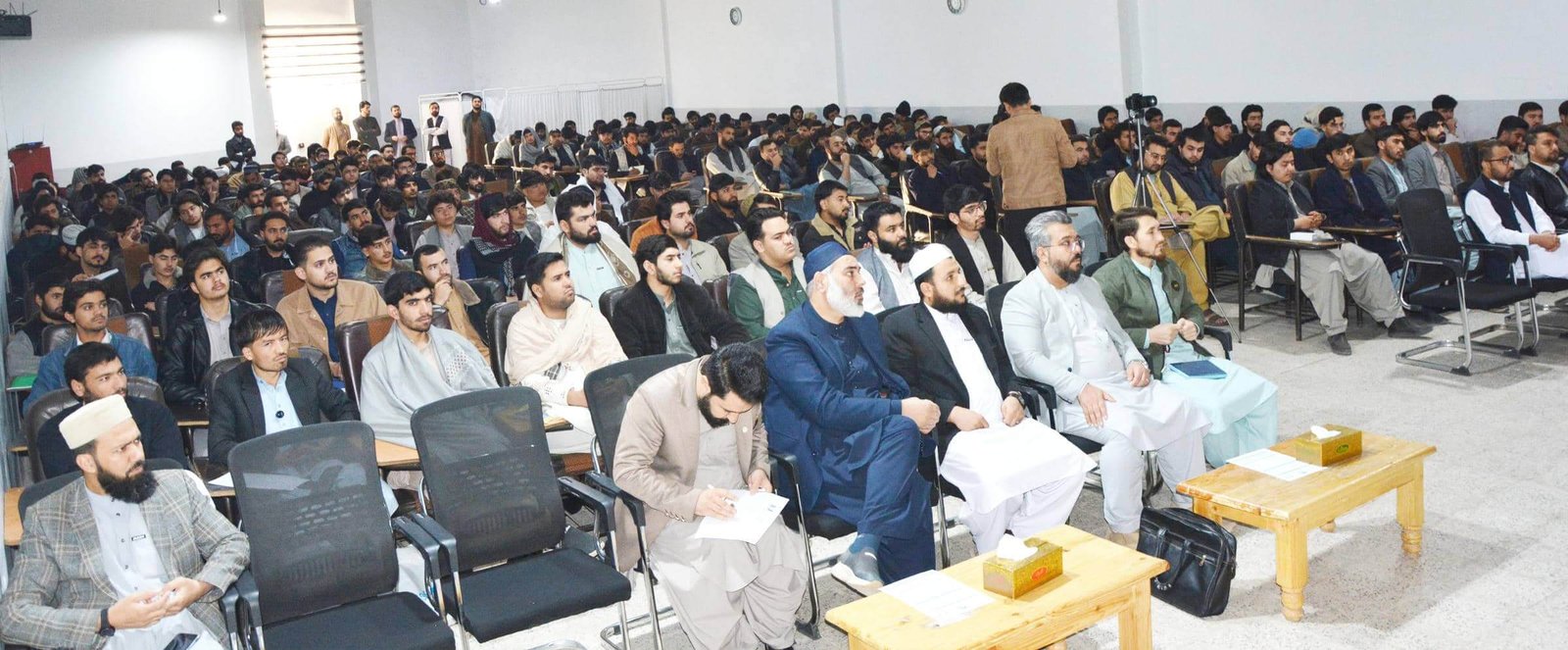
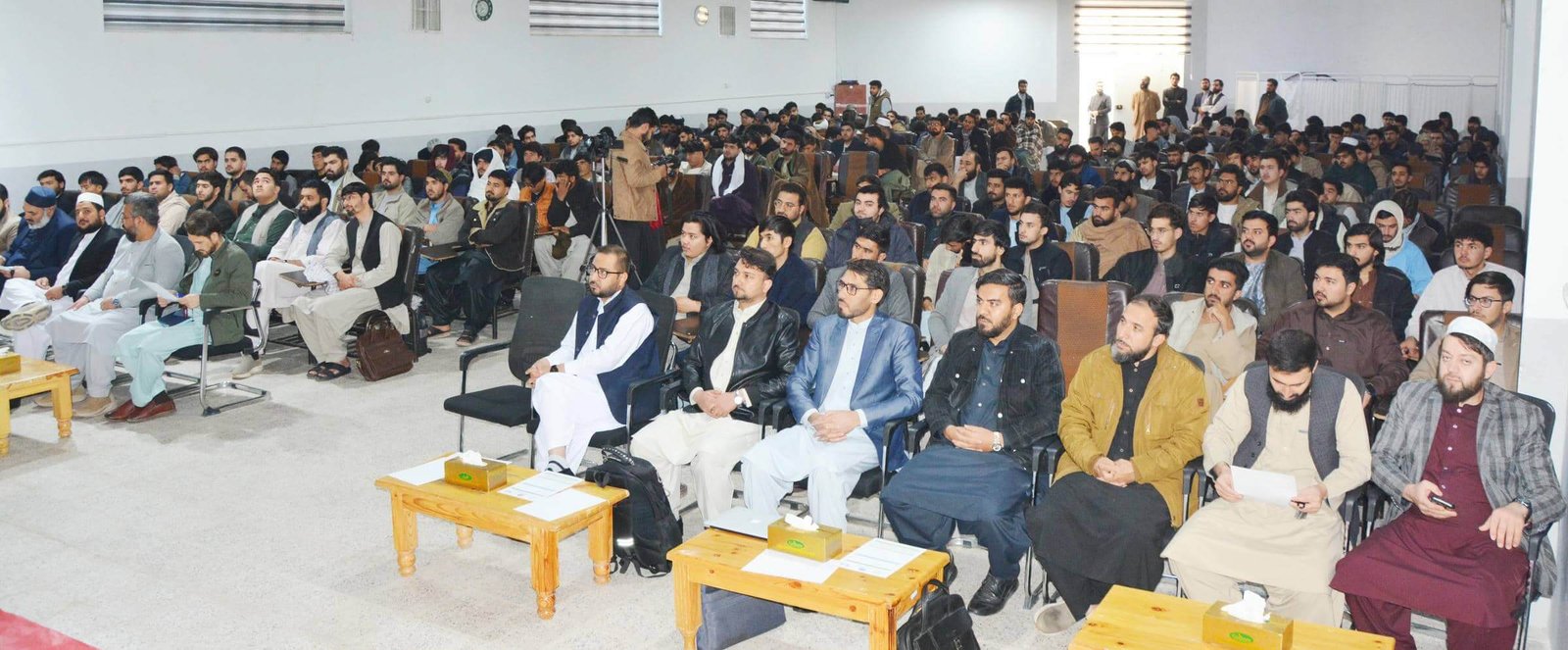
The choice between employment and entrepreneurship, and the future of these two career paths in Afghanistan’s labor market, was the focus of the Herat Economic Debate organized by the Afghanistan Economic and Legal Studies Organization (AELSO) in collaboration with Jami University in Herat. The event brought together university professors, economic experts, young people, and individuals interested in economics and entrepreneurship, providing an opportunity to examine labor market realities, exchange views, and gain a better understanding of the opportunities and challenges associated with each career path.
Dr. Atiqullah Rahimi, Academic Vice-Chancellor of Jami University, opened the program by discussing the opportunities and challenges of employment and entrepreneurship. Referring to the complexities of the labor market and limited job opportunities, he noted that addressing unemployment cannot be achieved simply by encouraging young people to become entrepreneurs. He explained that tackling this issue requires effective policymaking, investment, support for production, and cooperation among the government, private sector, and academic institutions.
The main part of the program featured a debate between two experts representing the fields of employment and entrepreneurship. Abdul Qaher Beheshti, the scientific secretary of the debate, played a role in organizing its academic content and guiding the discussion framework. Both experts presented their perspectives and arguments, examining the opportunities, limitations, and implications of choosing different career paths. Employment was discussed as a means of earning a regular income, gaining experience and skills, and working within organizational structures, while entrepreneurship focused on establishing businesses, achieving economic independence, and creating new opportunities.
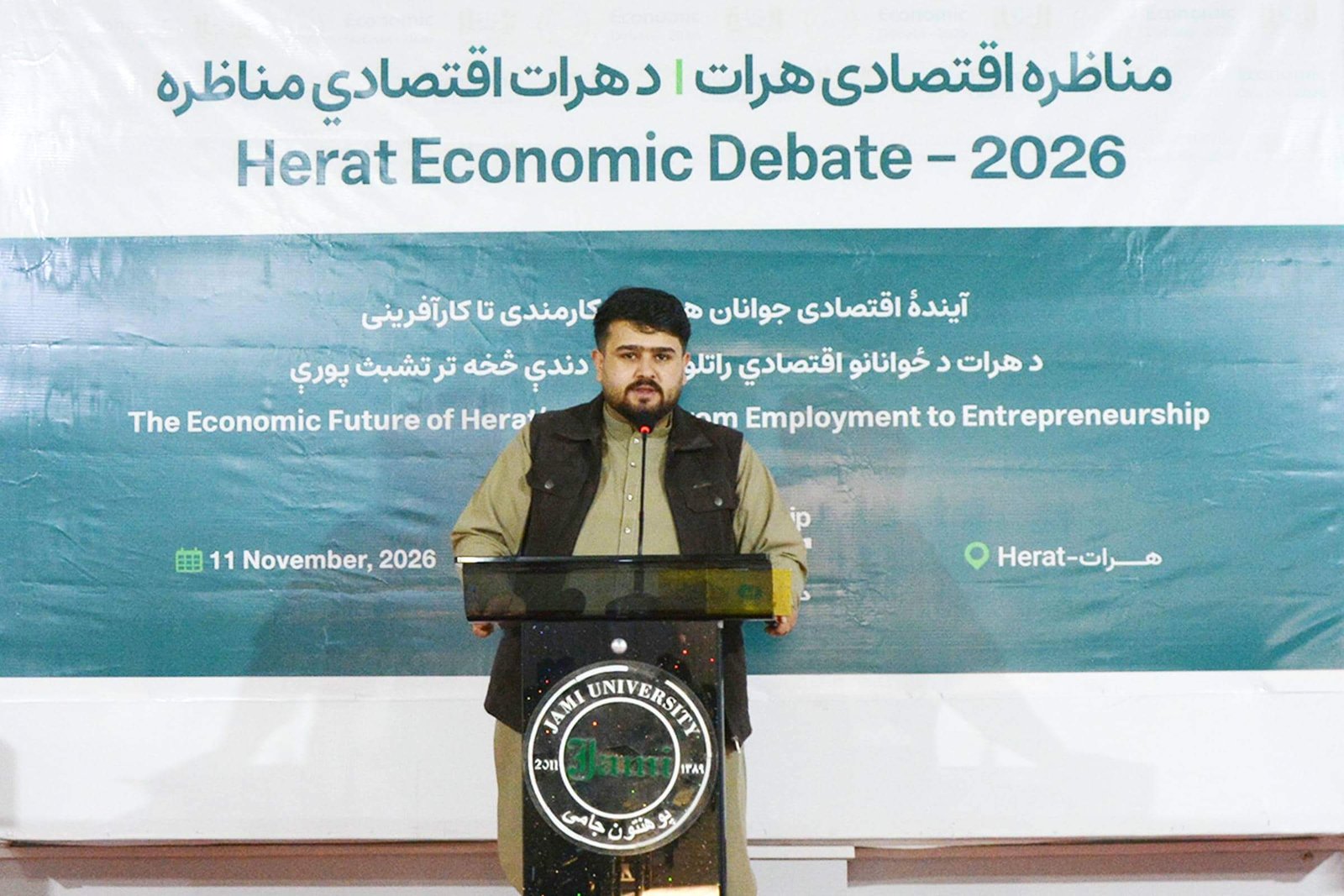
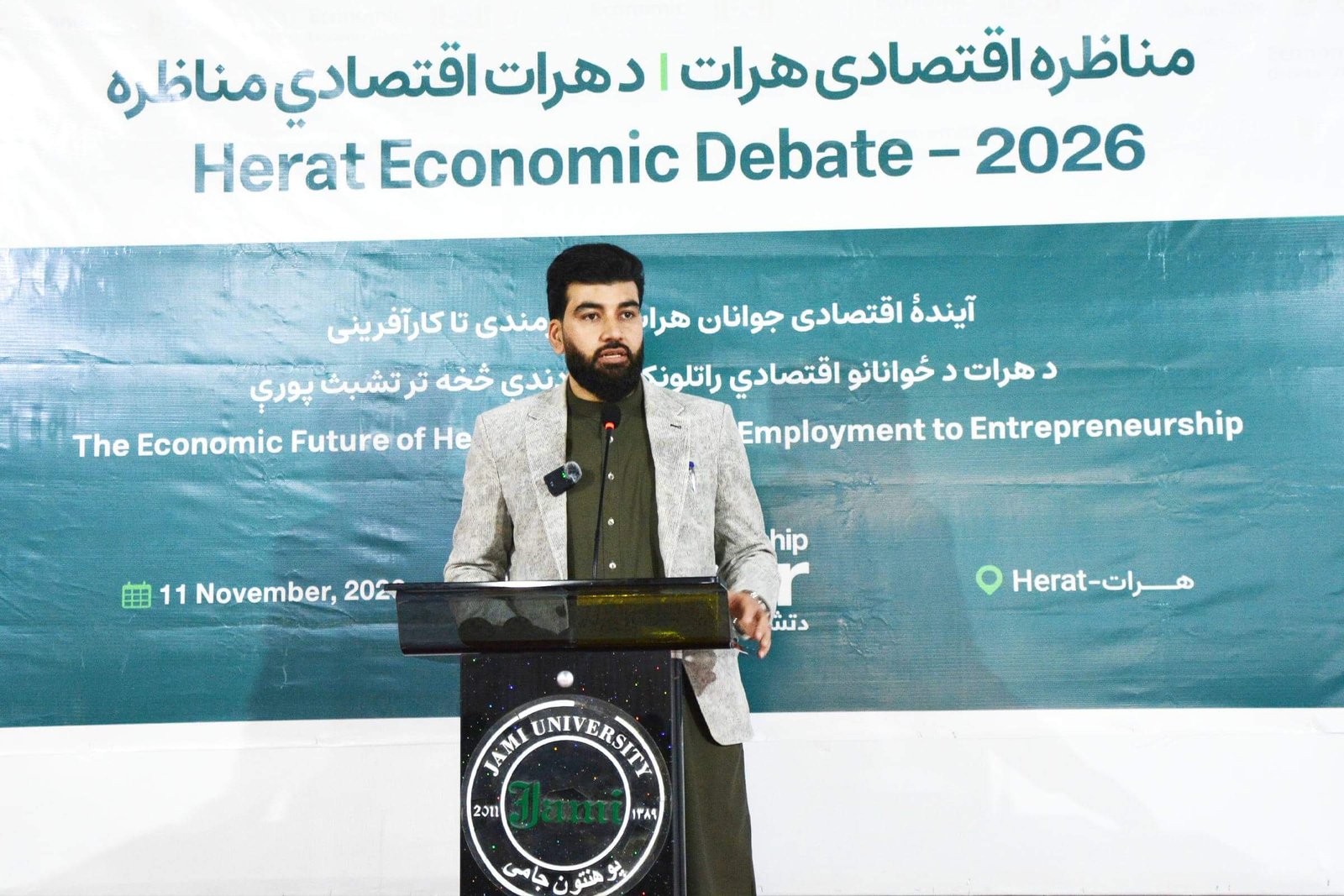
Dr. Anwar Shah Amani, the employment expert, discussed the advantages and challenges of this career path, explaining that employment and entrepreneurship are not necessarily opposing choices and can complement one another. He noted that employment provides opportunities for regular income, professional experience, skills development, and strengthening human capital, although it also comes with its own limitations and challenges.
Azizullah Samit, the entrepreneurship expert, outlined the opportunities and challenges of starting a business. He described entrepreneurship as a means of turning ideas into products, creating job opportunities, promoting innovation, and achieving economic independence. He noted that despite the risks involved, entrepreneurship can play an important role in creating economic value, increasing domestic production, and establishing sustainable economic activities.
During the question-and-answer session, young people and university students in Herat shared their views and raised questions about career choices. They described the debate as an opportunity to better understand employment and entrepreneurship, noting that examining the strengths, limitations, and requirements of each path could help them make more informed decisions about their professional futures.
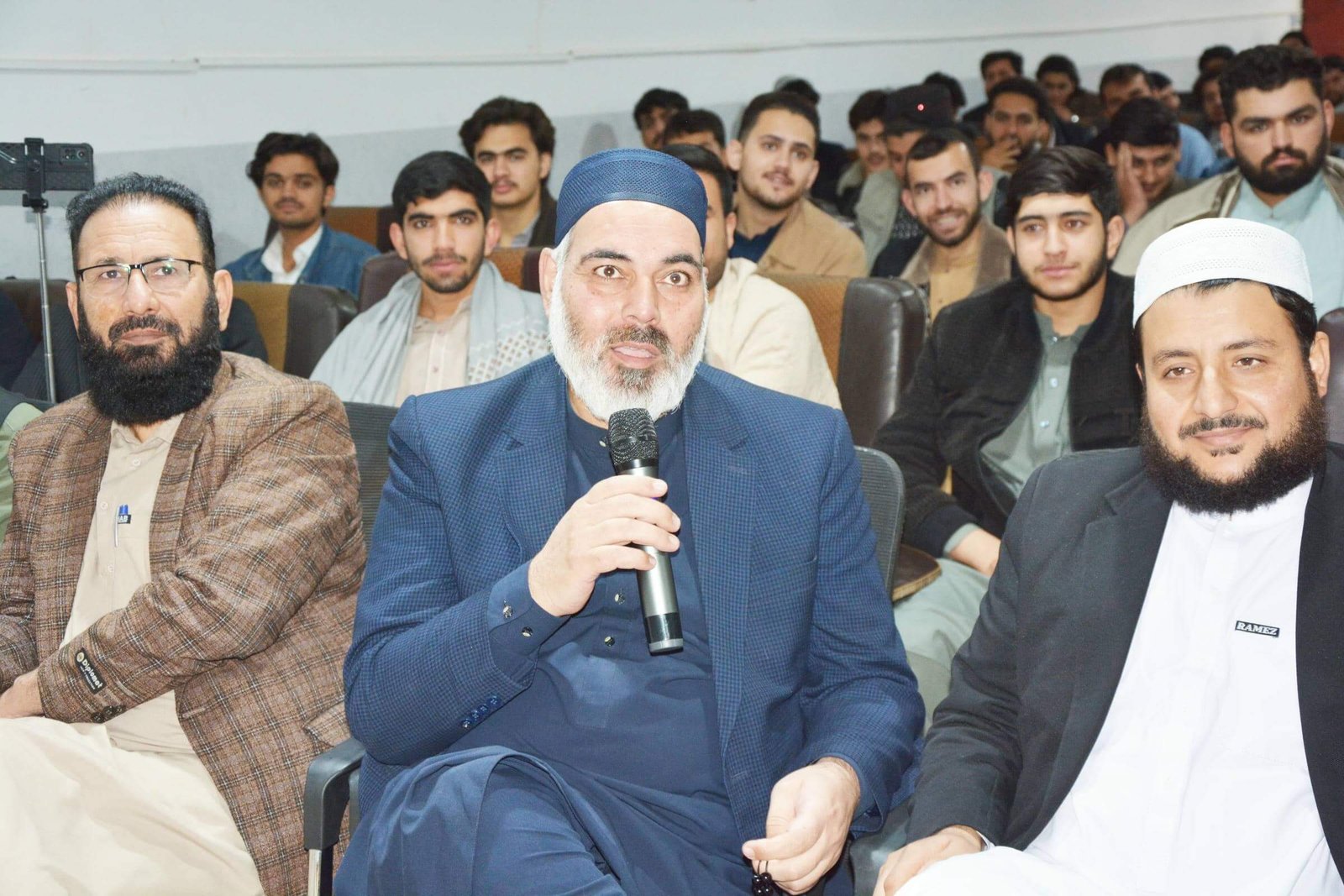
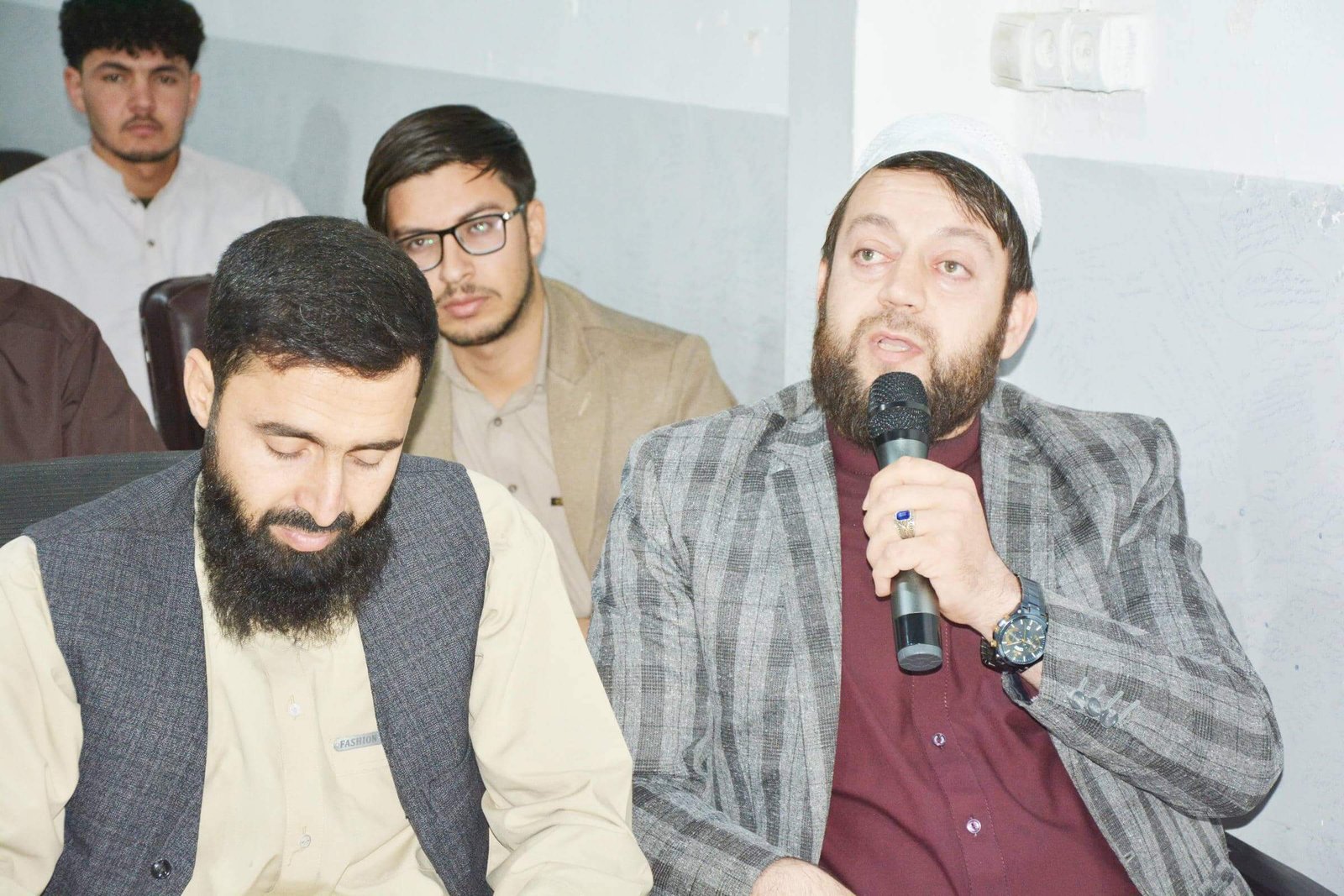
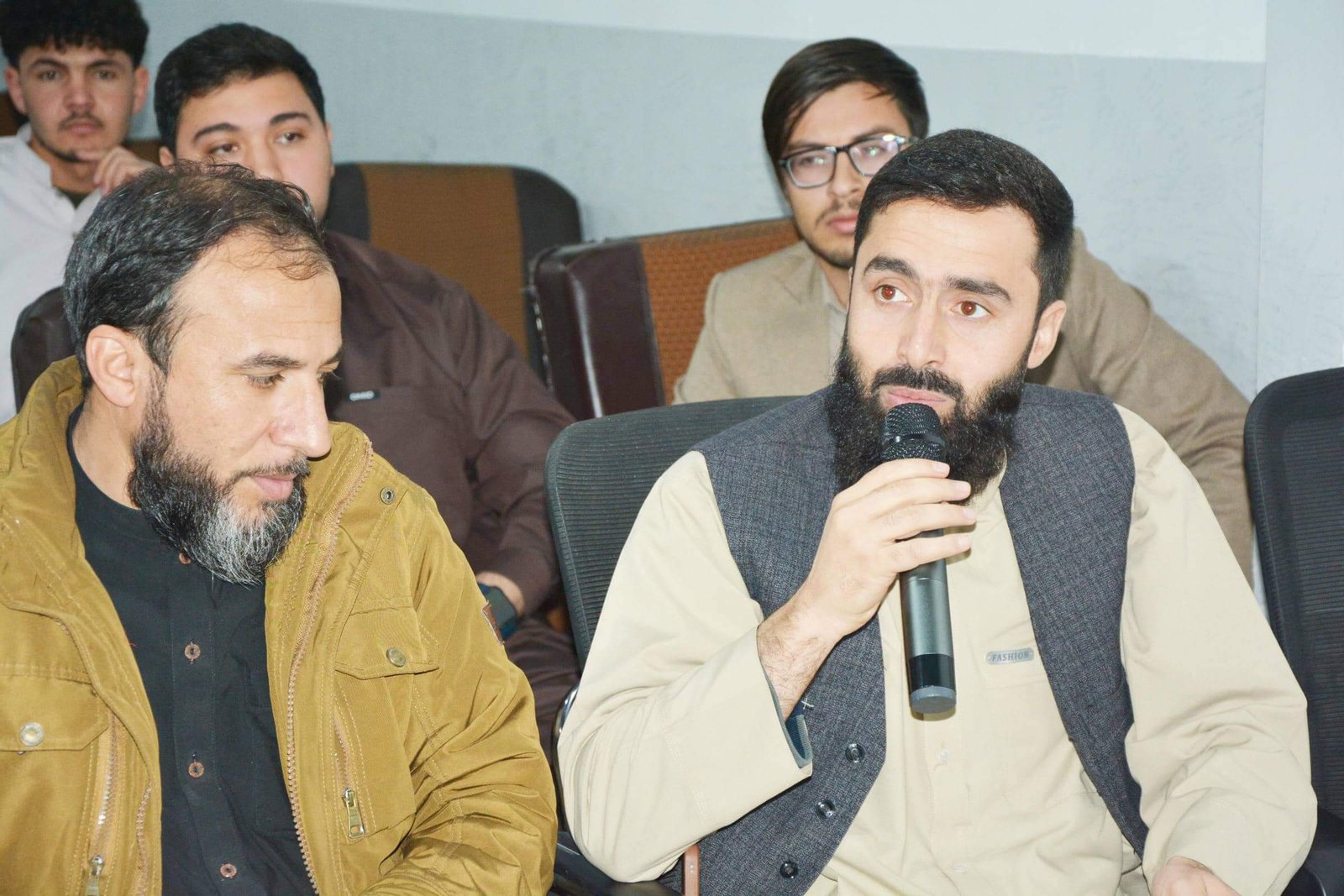
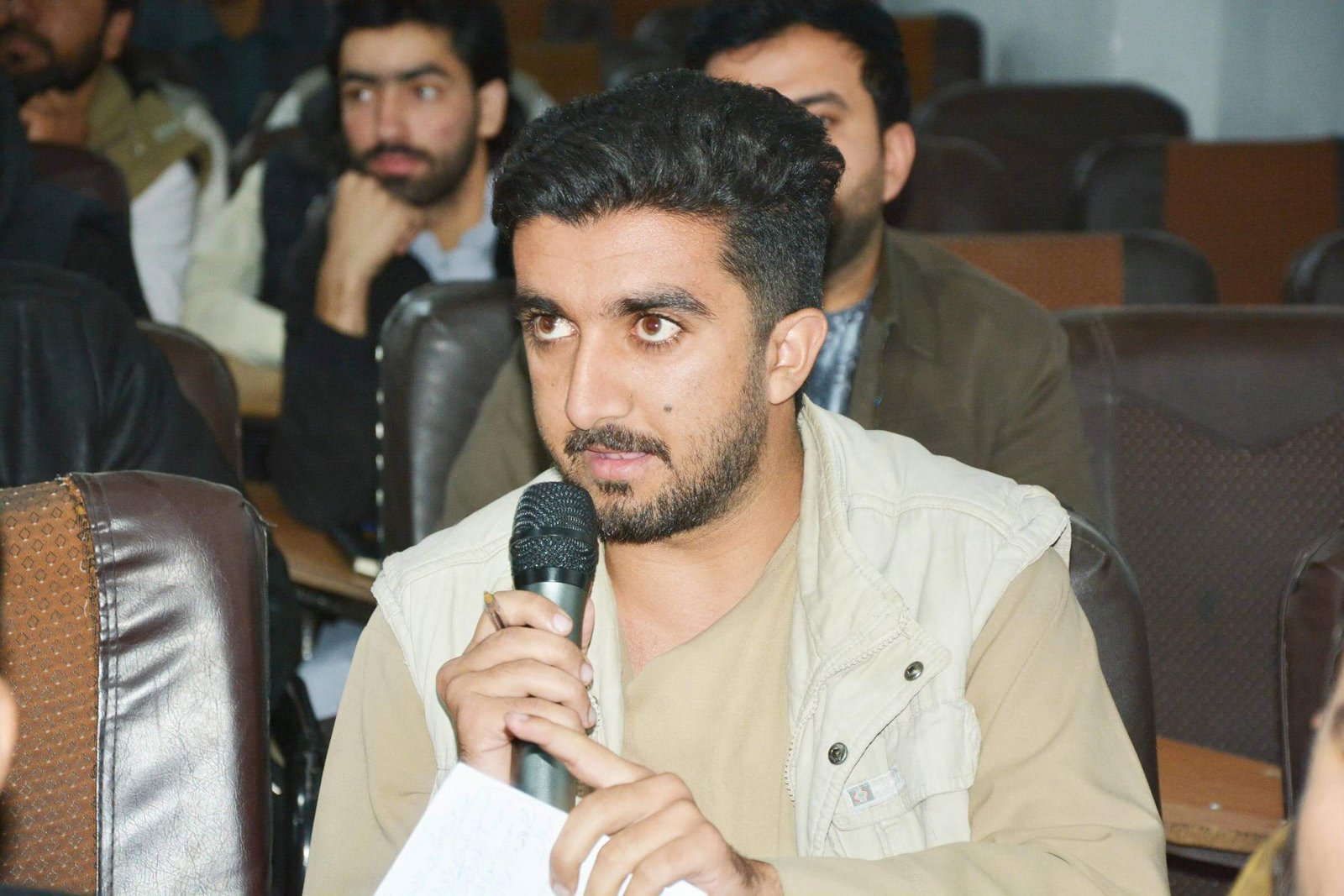
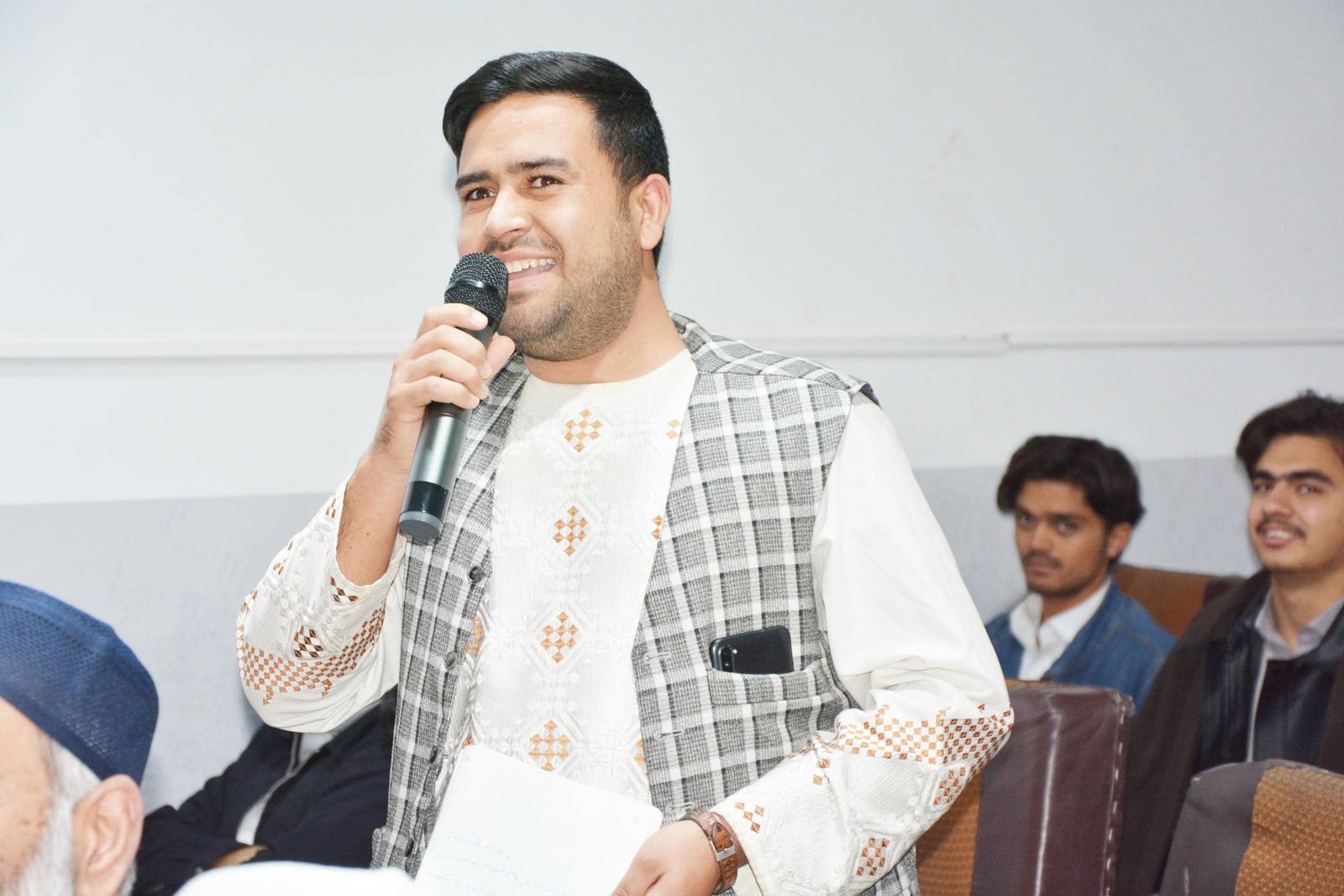
Ali Ahmad Haidari, one of the participants, expressed his satisfaction with attending the program, saying, “Through the Herat Economic Debate, I learned how to make appropriate decisions when choosing a career path and avoid potential problems resulting from making the wrong career choice.”
Hasibullah Noori, another young participant, said the experts’ discussions had changed his perspective on career choices. He added, “As I carefully followed the experts’ discussions, I learned that choosing any career path requires examining its opportunities and challenges. This debate changed my perspective on my professional future.”
University lecturers and other participants also had the opportunity to raise questions and exchange views on issues such as employment opportunities, job security, entrepreneurial potential, and the role of creativity in the economic development of young people.
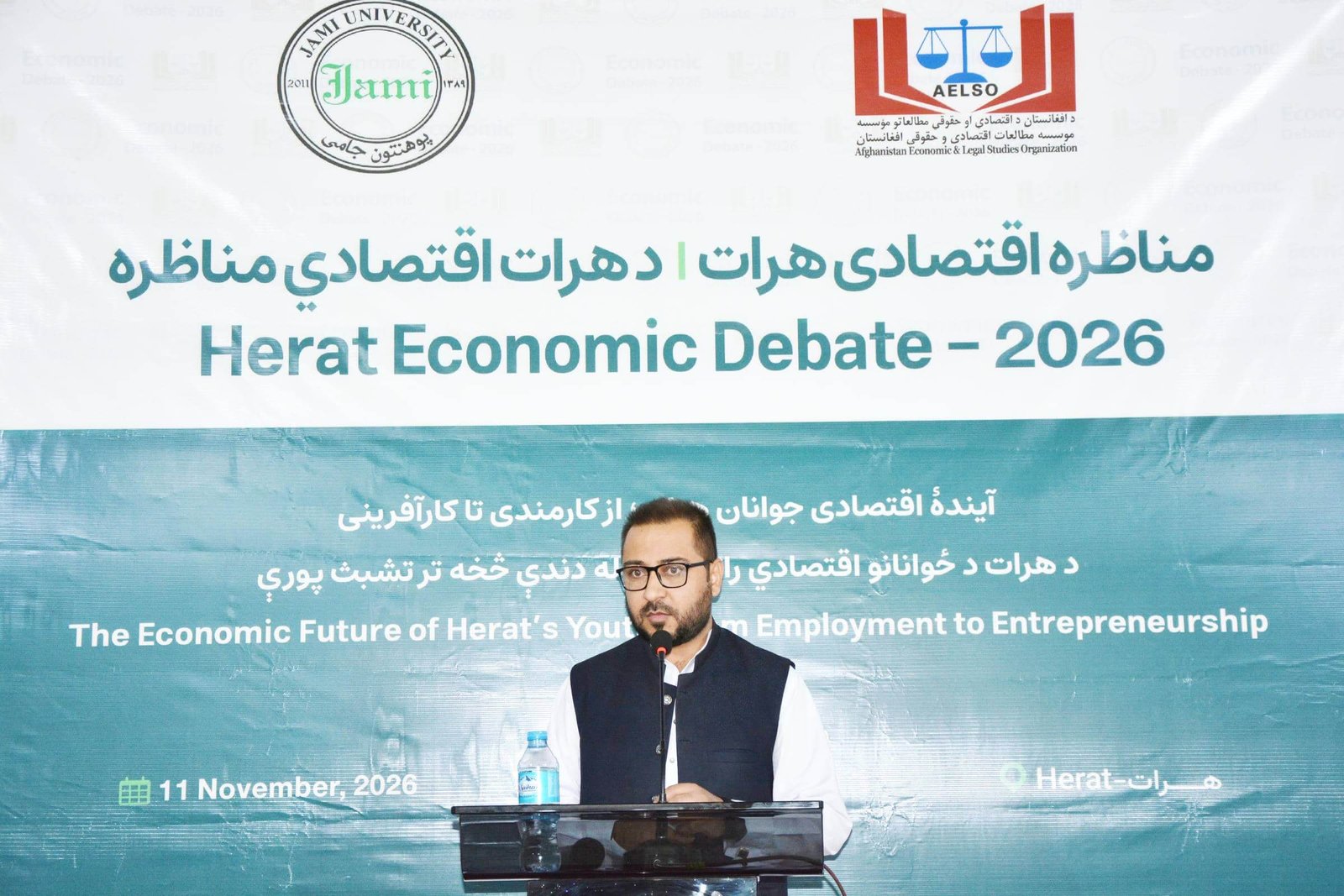
At the conclusion of the program, Hanif Farzan, President of the Afghanistan Economic and Legal Studies Organization (AELSO), summarized the perspectives presented during the debate. He noted that choosing between employment and entrepreneurship involves two different models of economic participation, each associated with its own opportunities, level of risk, innovation potential, income generation, and wealth accumulation. He emphasized that the two paths are not necessarily opposing choices and that, depending on individuals’ circumstances, abilities, and goals, either can contribute to personal growth and economic development.
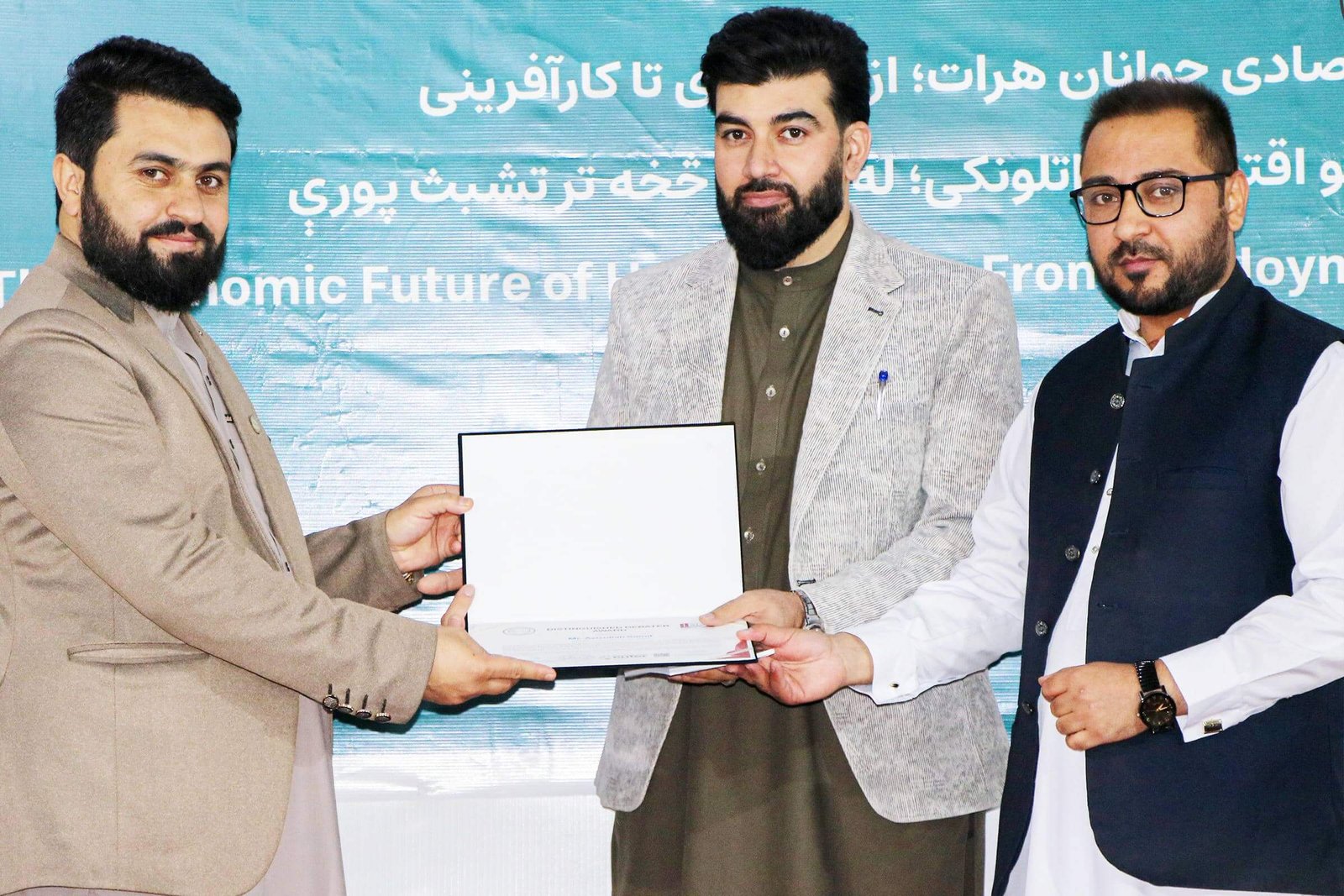
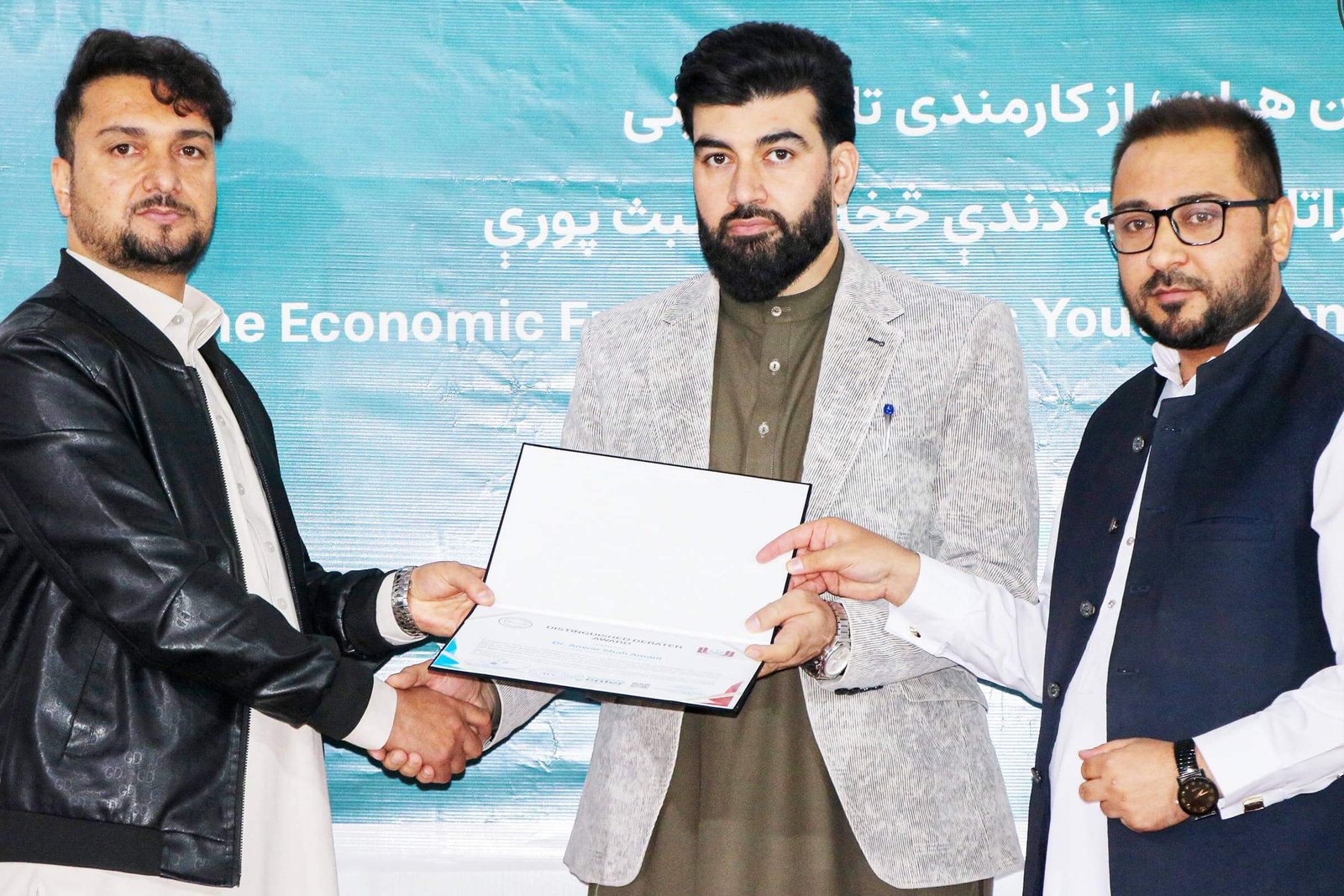
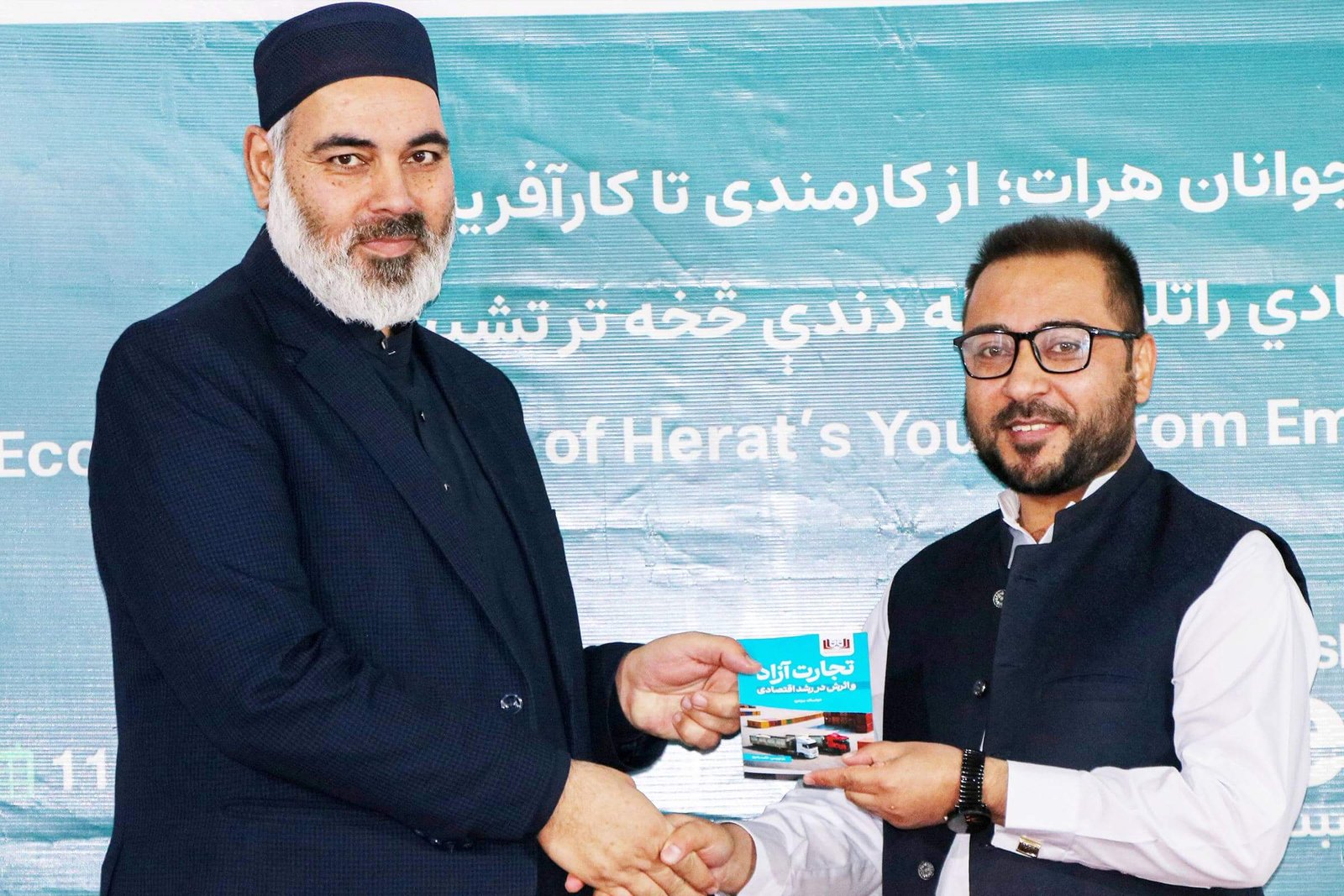
AELSO expressed its appreciation to Jami University and other partners for their collaboration in organizing the debate and reaffirmed its commitment to continued cooperation with academic and educational institutions to expand academic dialogue, promote entrepreneurial thinking among young people, and create opportunities for broader participation in economic and academic discussions.