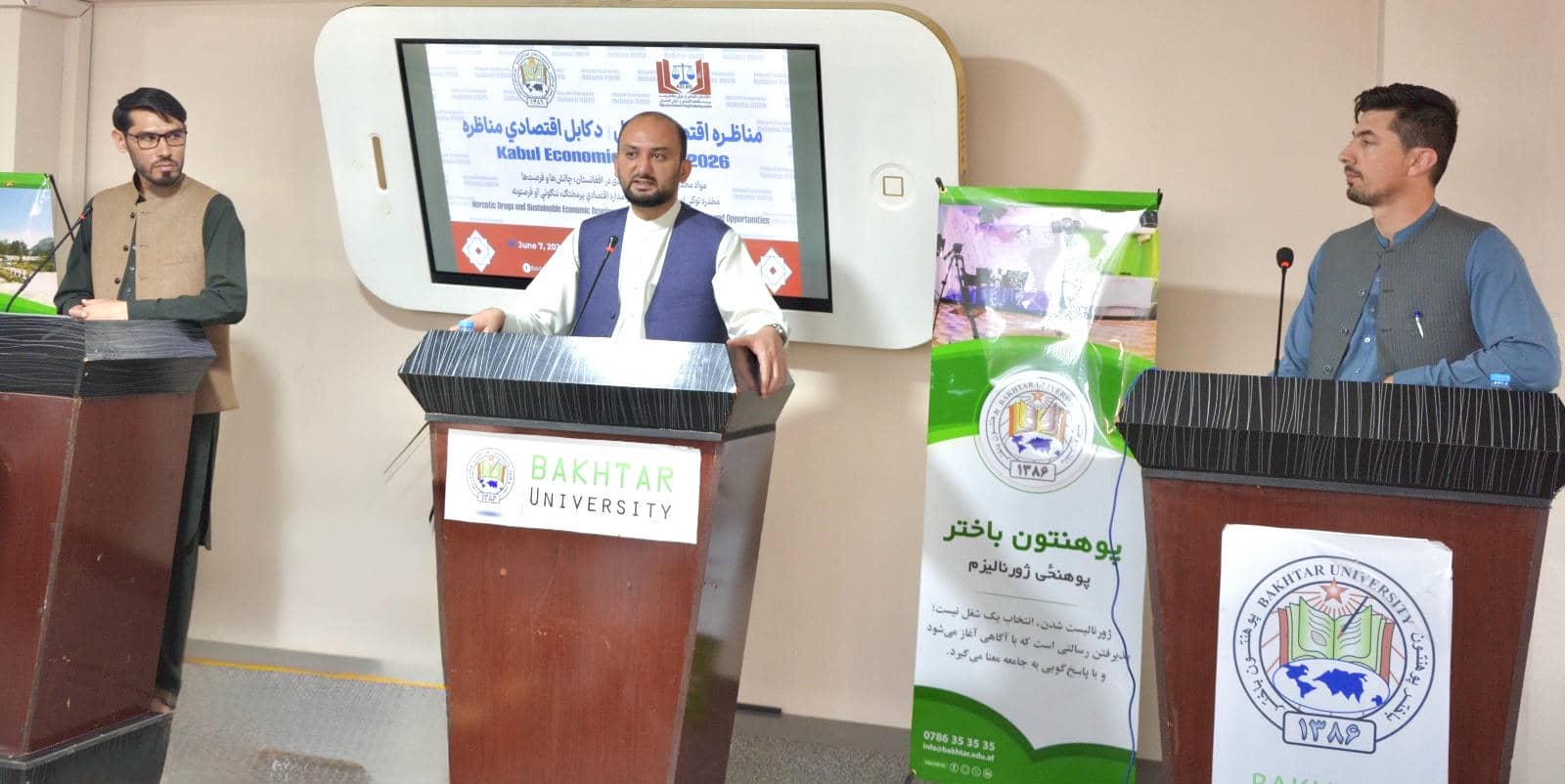
Kabul Economic Debate Conducted on Narcotic Drugs and Sustainable Economic Development in Afghanistan
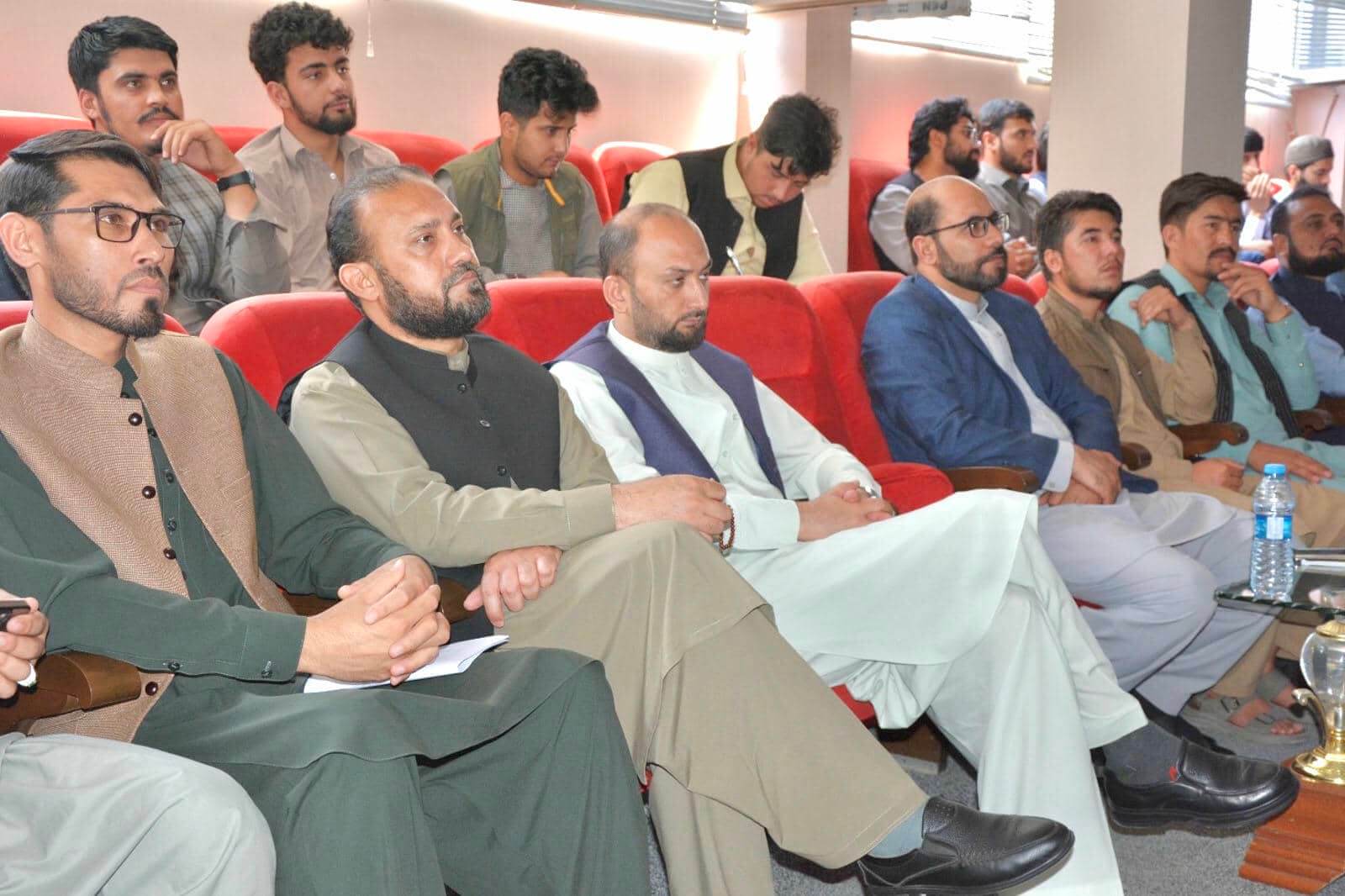
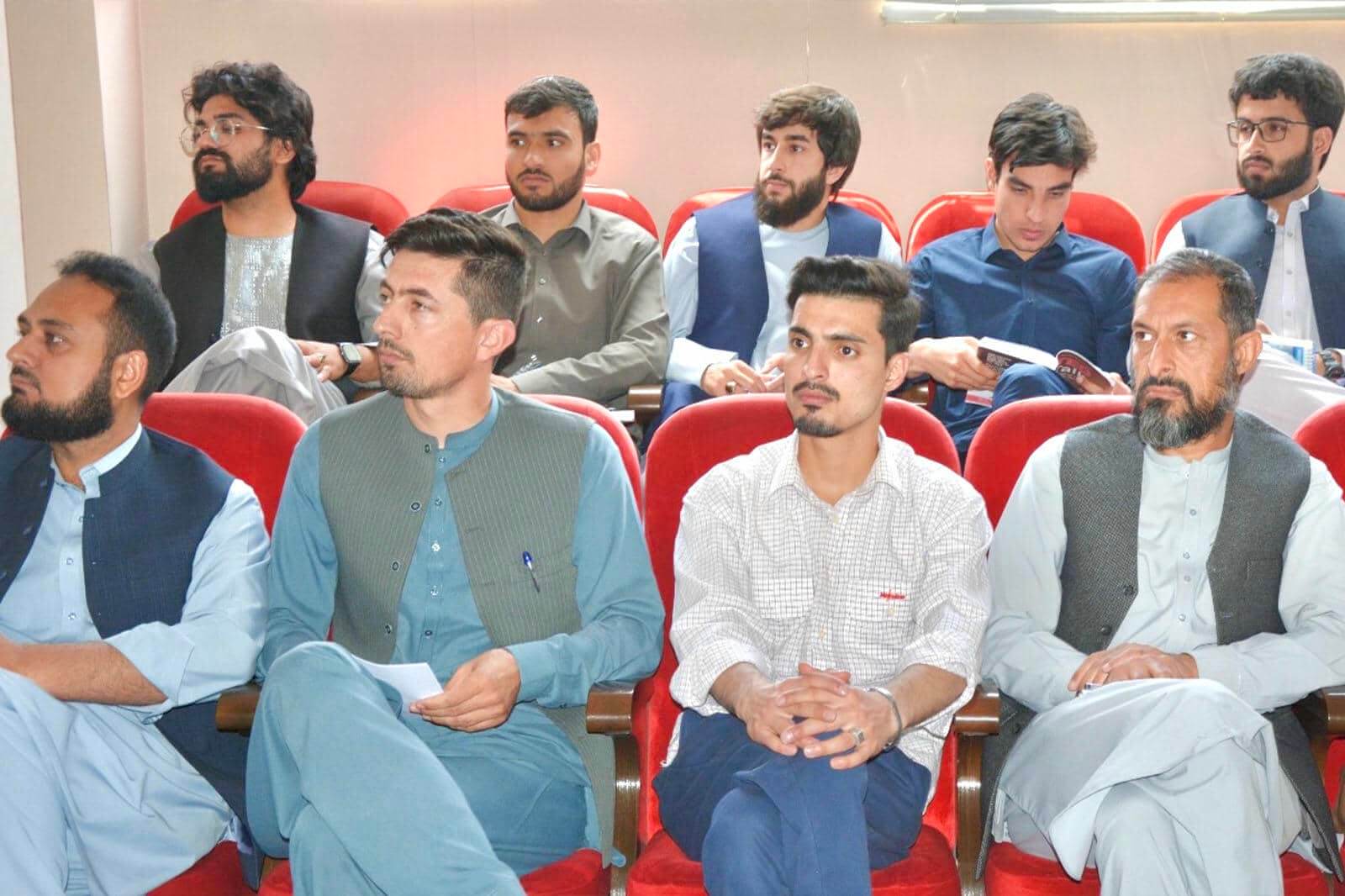
The Kabul Economic Debate was organized by the Afghanistan Economic and Legal Studies Organization (AELSO) in collaboration with Bakhtar University. The academic event brought together university leadership, faculty members, students, economic activists, and individuals interested in economic issues.
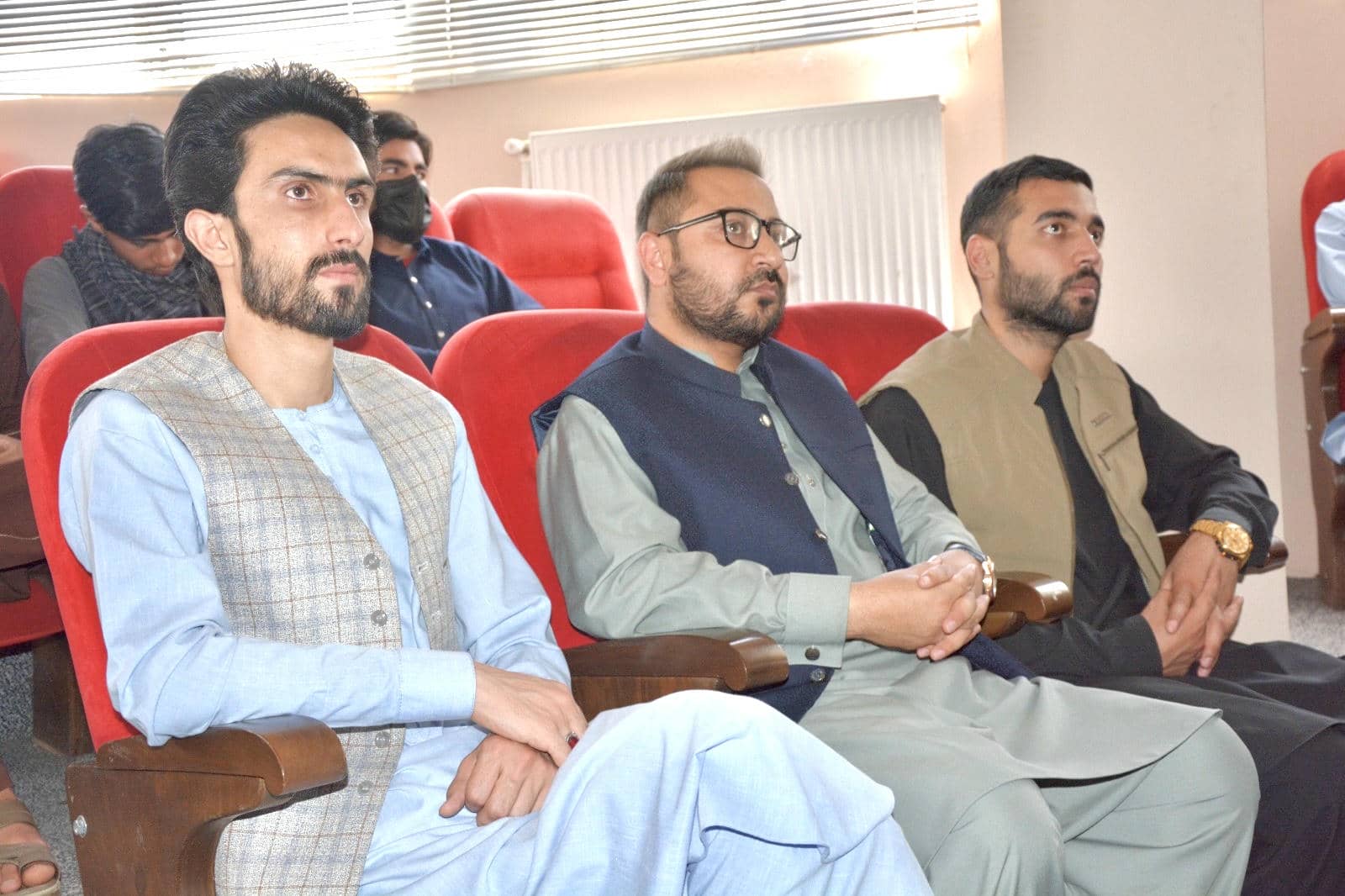
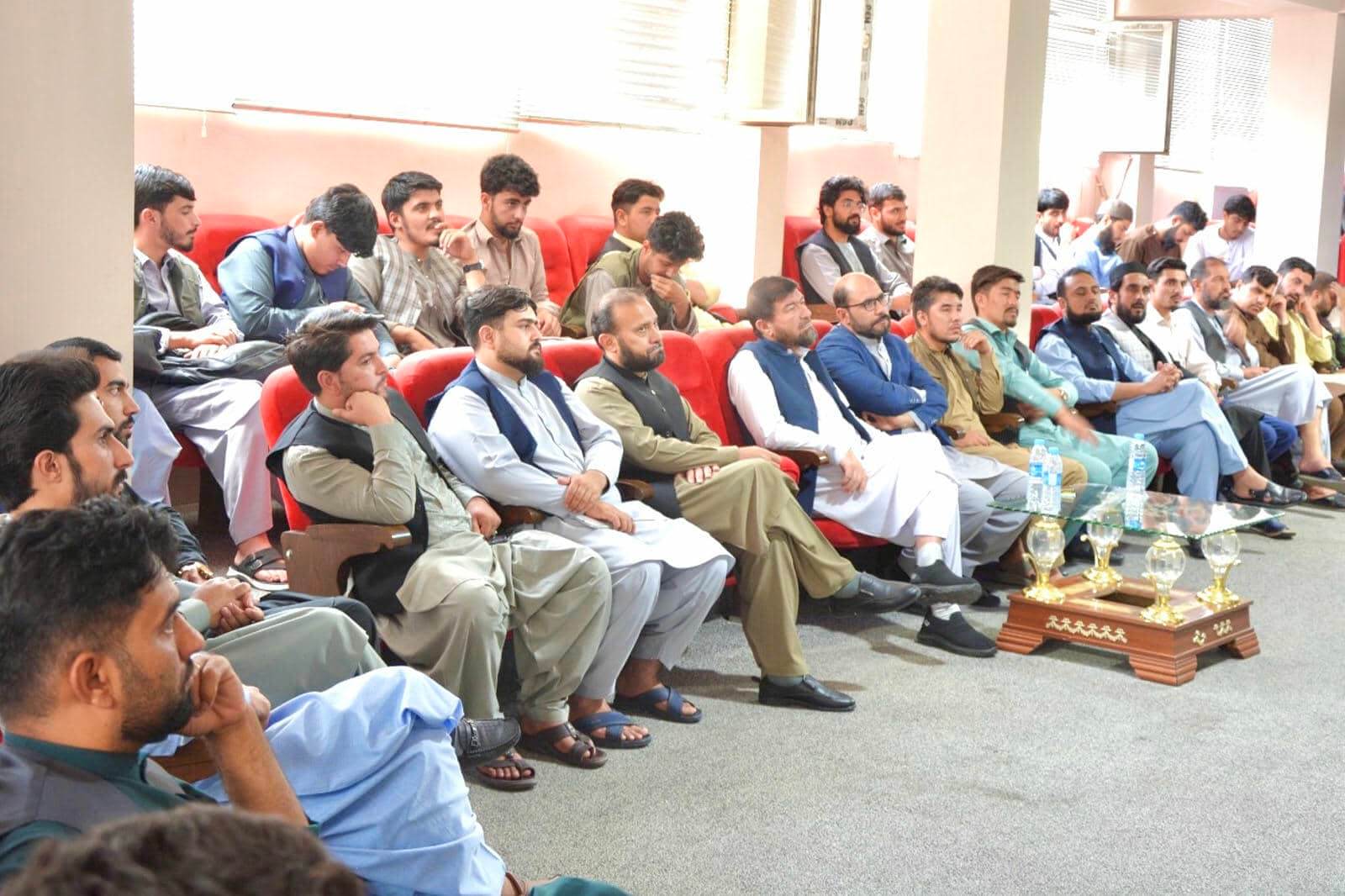
The debate focused on the theme “Narcotic Drugs and Sustainable Economic Development in Afghanistan: Challenges and Opportunities.” Participants examined the issue from various economic, social, and developmental perspectives. The debaters emphasized that dependence on the narcotics economy poses serious challenges to investment, job creation, social welfare, and sustainable development in Afghanistan.
One of the debaters, Mohammad Shabir Bashiri, stated during the discussion: “Combating narcotic drugs is not merely a security issue; it is, in fact, an economic necessity for creating sustainable employment, attracting investment, and ensuring social welfare in Afghanistan.”
Another debater, Nangyali Ghorbandi, noted: “Afghanistan will achieve sustainable development only when legitimate and sustainable economic opportunities for citizens—particularly farmers and youth—replace dependence on the narcotics economy.”
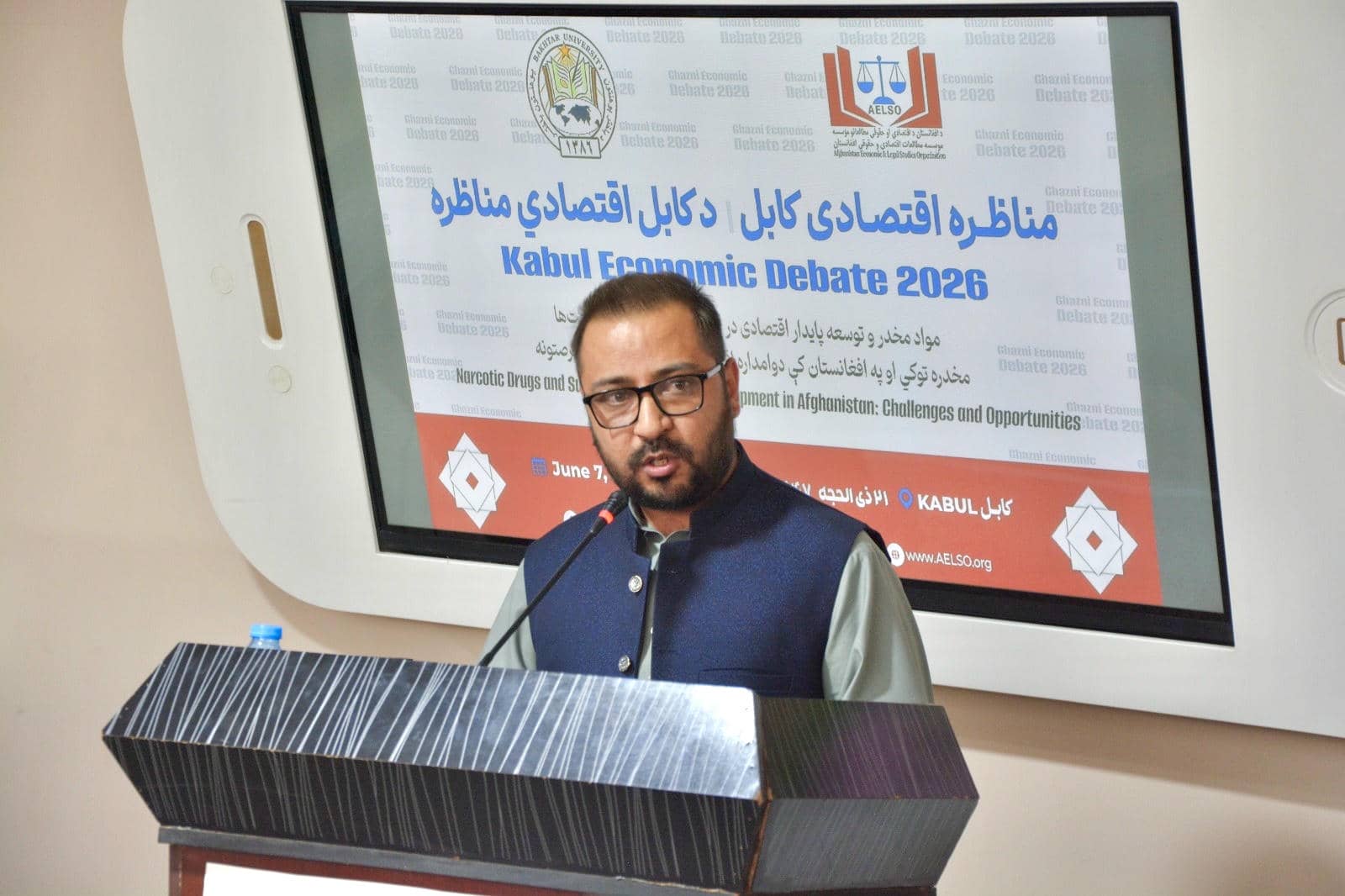
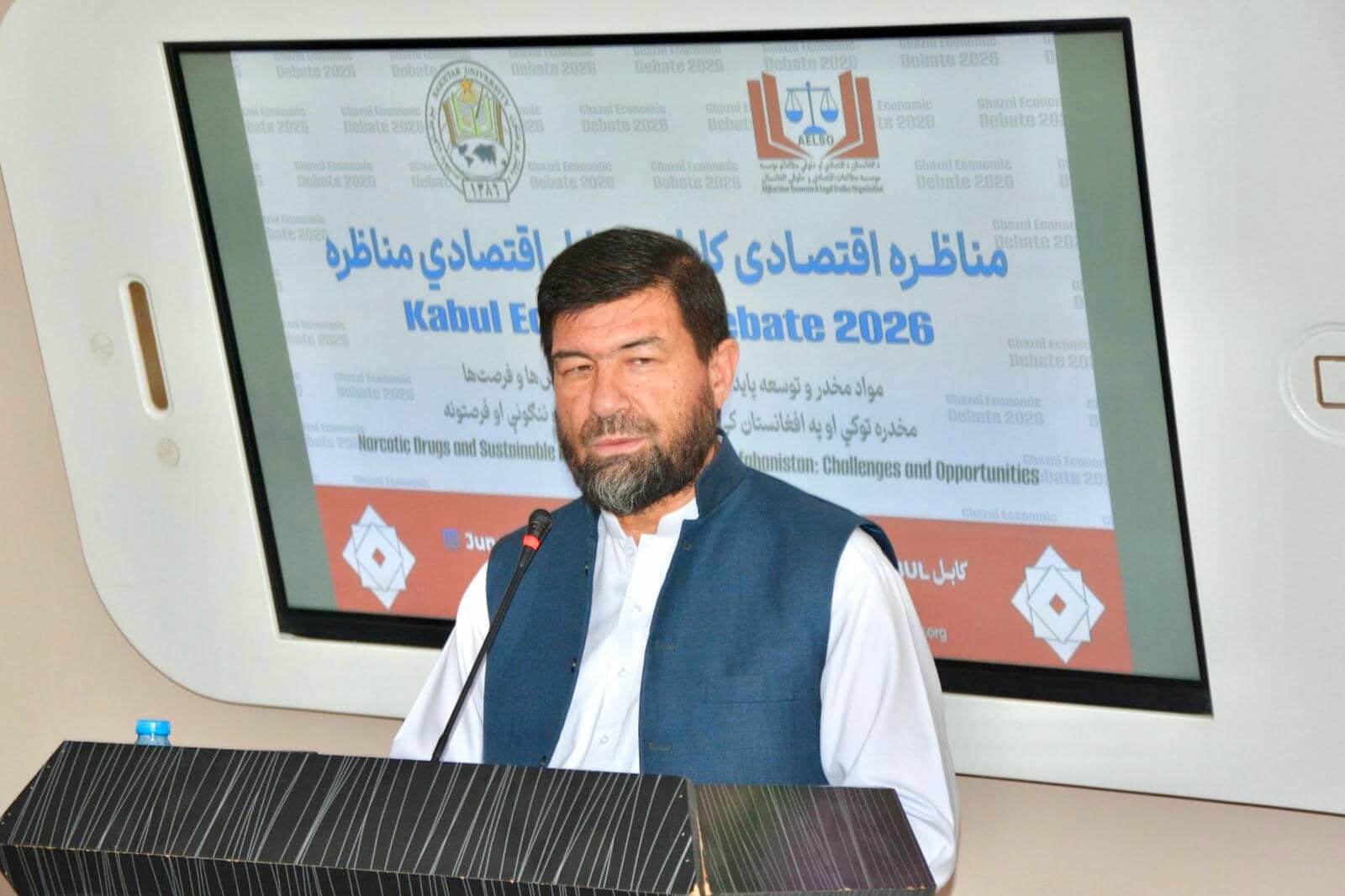
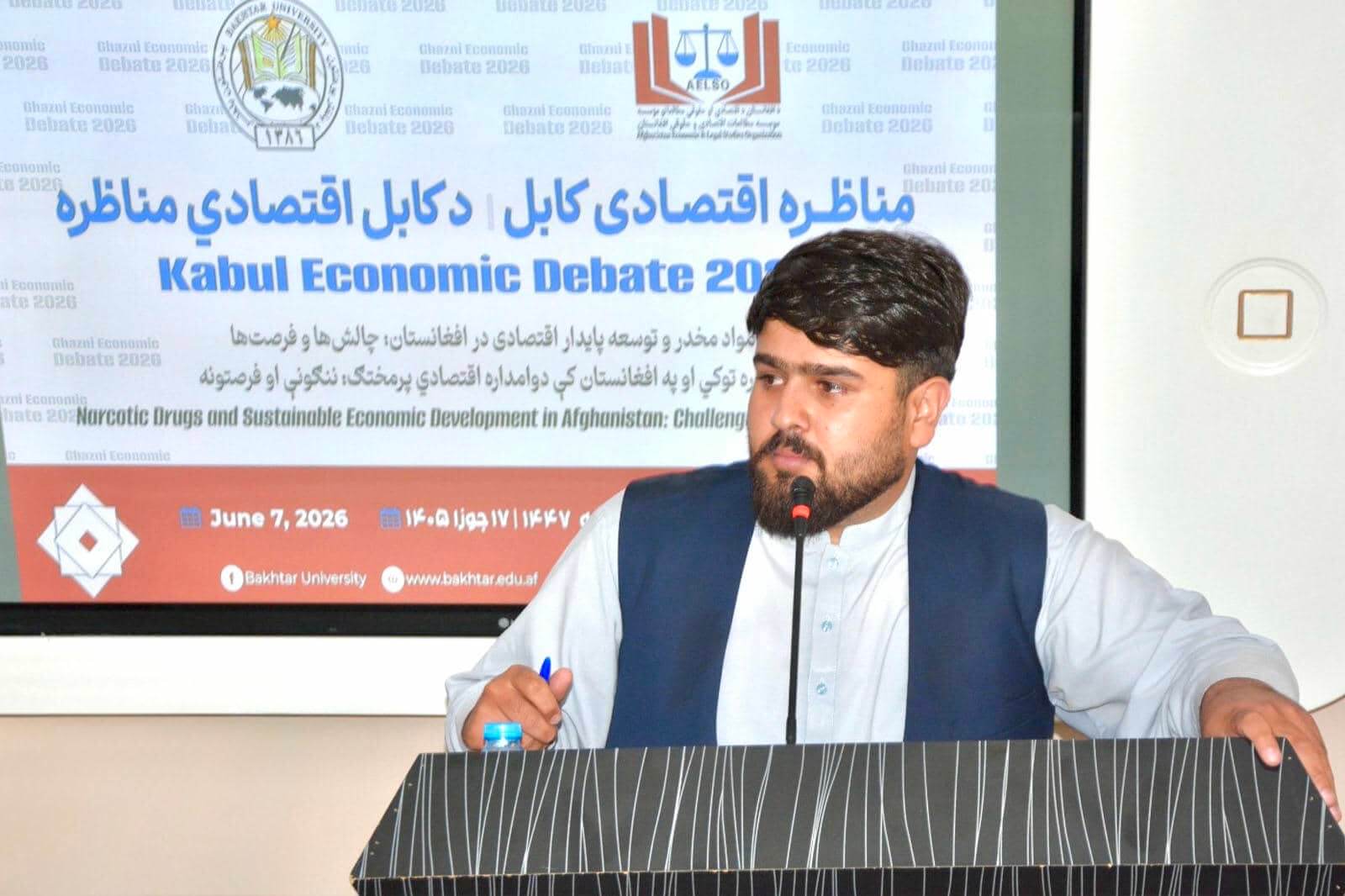
Another part of the program focused on alternative economic solutions for reducing dependence on the cultivation and trade of narcotic drugs. Participants emphasized the importance of developing modern agriculture, supporting farmers, investing in small and medium-sized enterprises, effectively utilizing natural resources, expanding agricultural exports, and promoting technical and vocational education as practical strategies.
The discussion also highlighted the role of academic and educational institutions in raising public awareness, promoting a culture of work and productivity, and preparing a skilled workforce to support economic growth. Participants stressed the importance of close cooperation among academic, economic, and social institutions to create sustainable economic opportunities and reduce poverty.
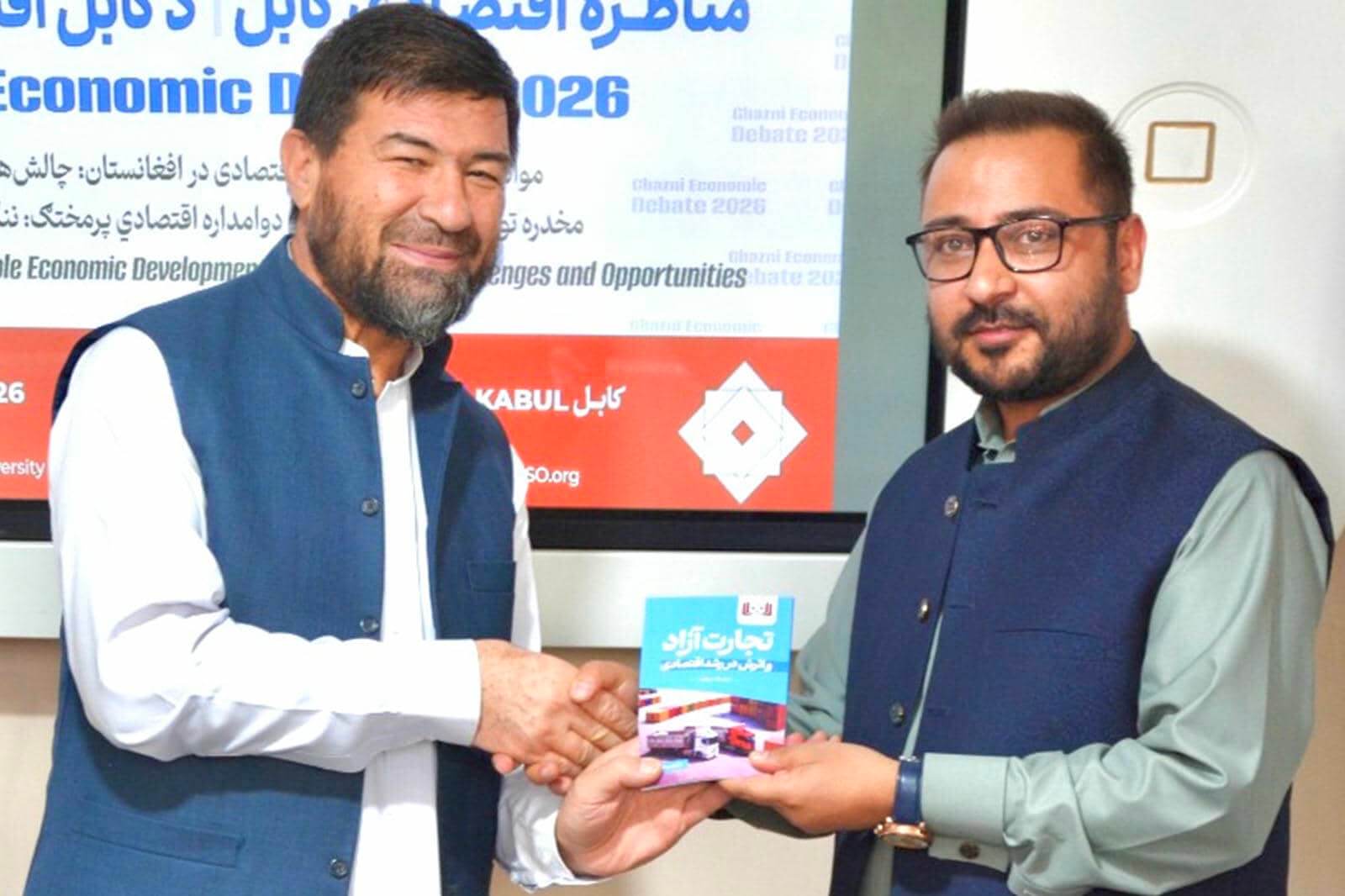
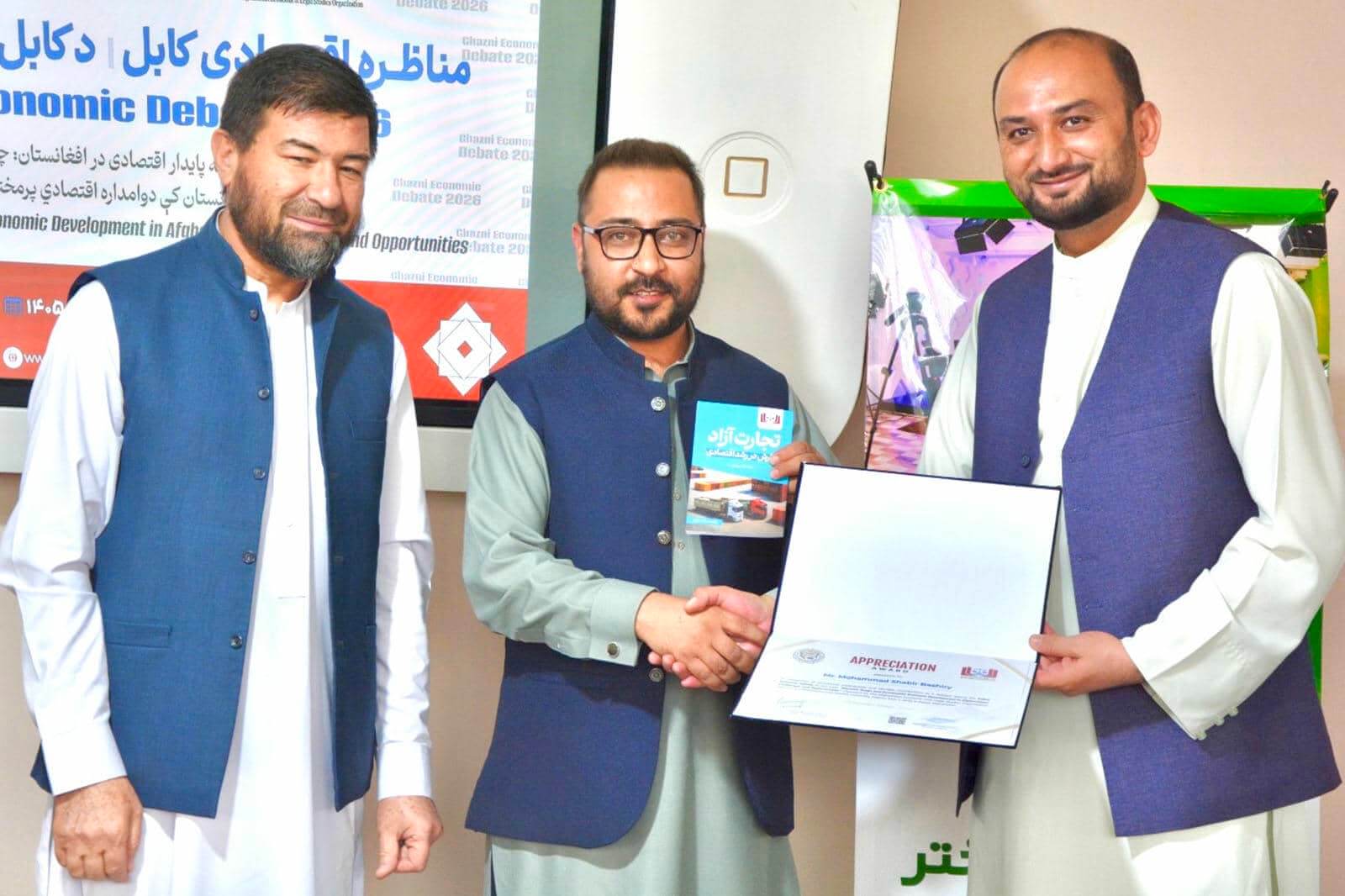
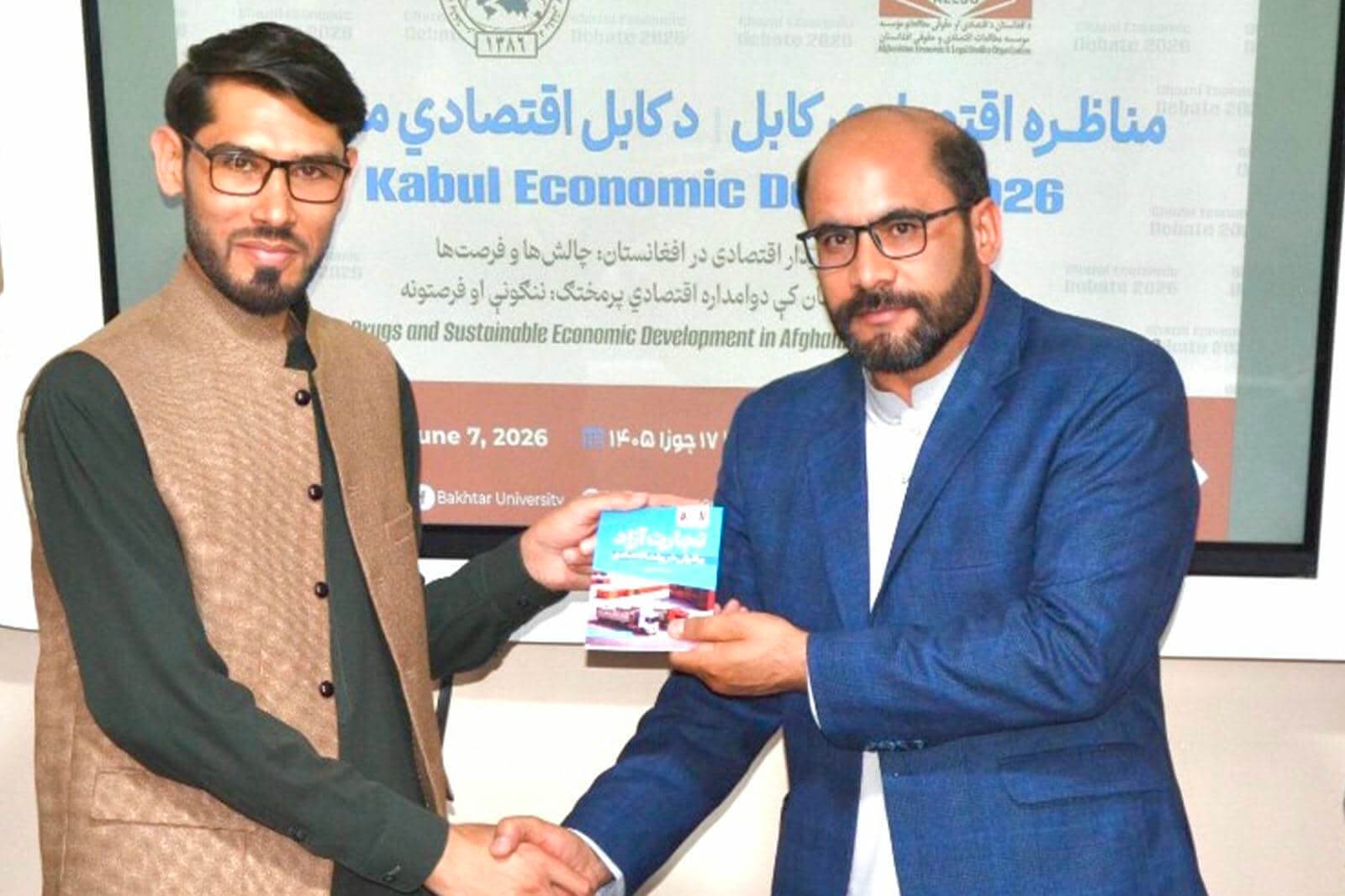
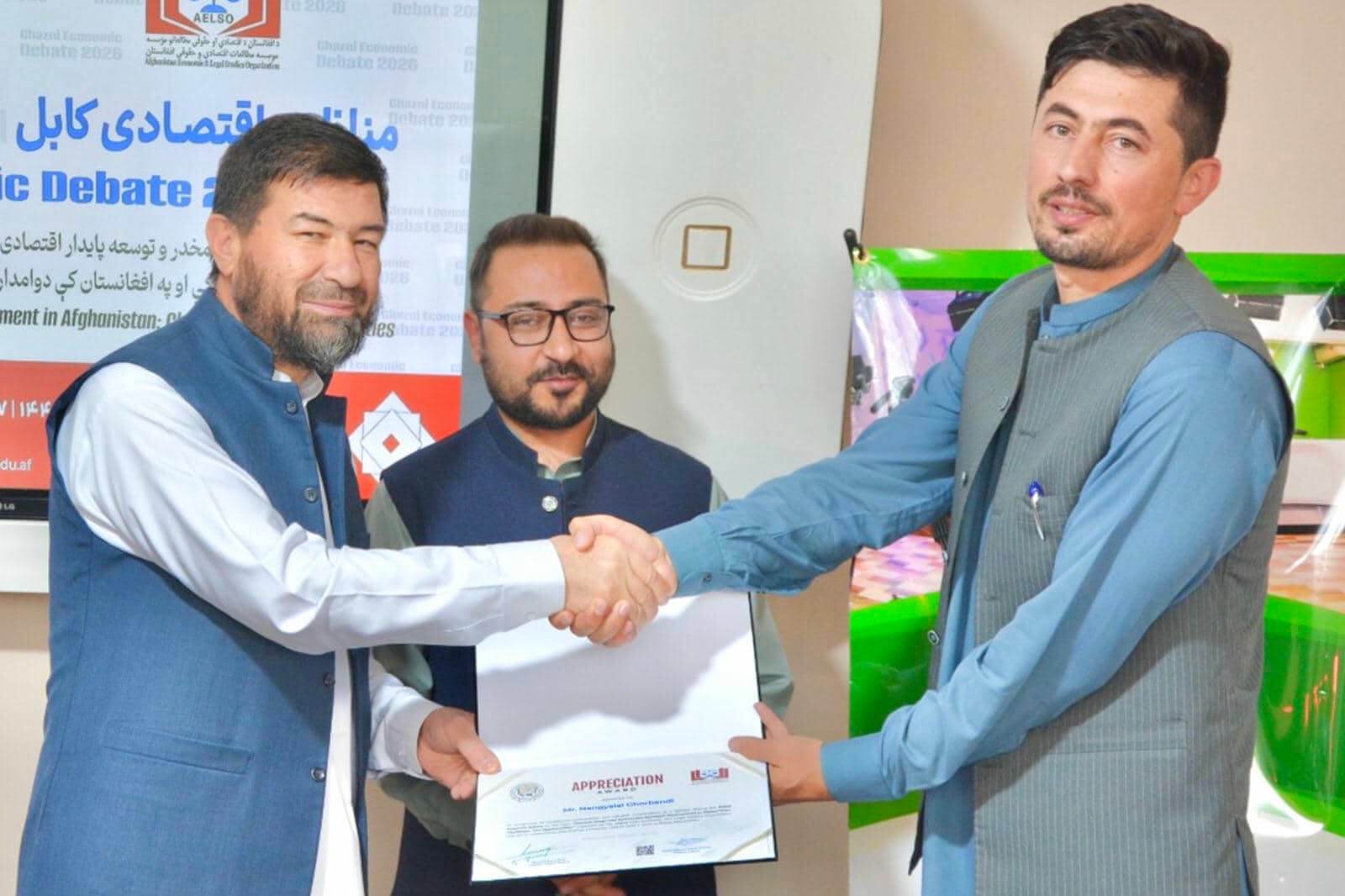
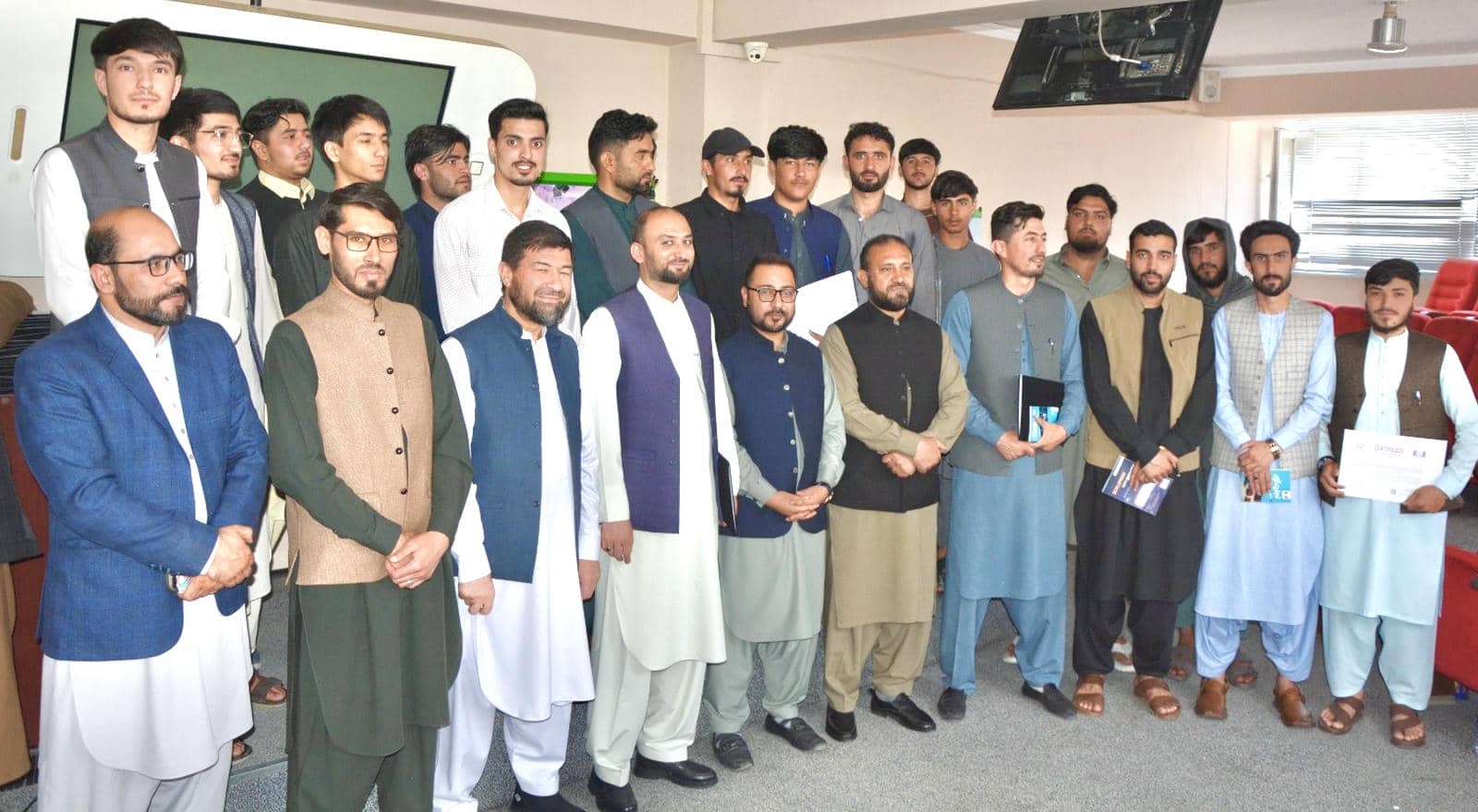
The debate concluded with the presentation of practical books related to the topic, the awarding of certificates of appreciation to the debaters, and the distribution of participation certificates to attendees.
The organizers emphasized that creating platforms for dialogue and the exchange of expert perspectives on Afghanistan’s economic challenges can contribute to the development of more effective solutions for sustainable development and economic prosperity in the country.