Entrepreneurship Camp 2026 Concludes with Celebration of Afghanistan’s Young Innovators
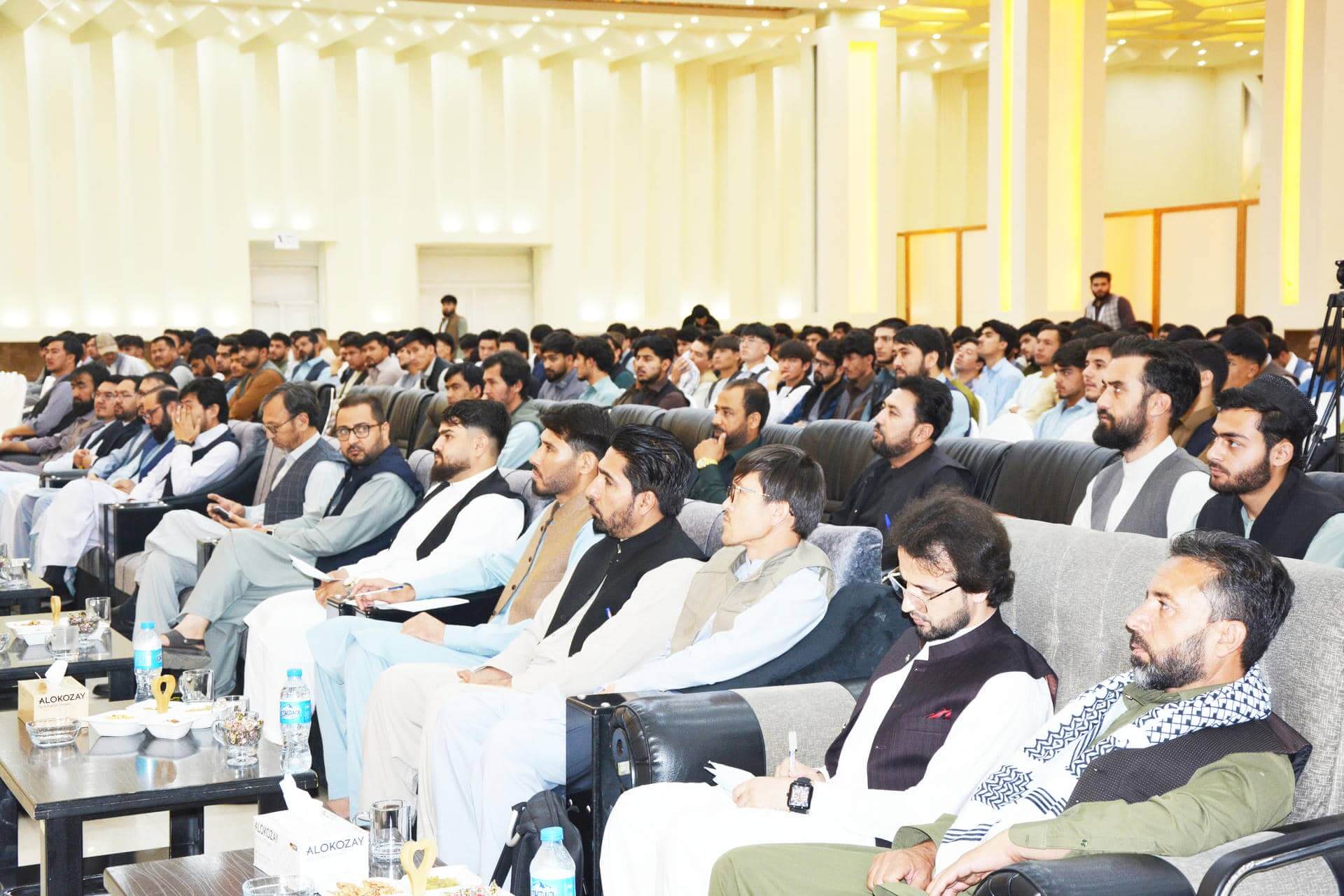
Kabul, 30 June 2026 — The Afghanistan Economic and Legal Studies Organization (AELSO), and Kateb University, successfully organized the Entrepreneurship Camp 2026 in Kabul city. The event brought academics, private sector representatives, development practitioners, entrepreneurs, and young innovators from across Afghanistan to celebrate innovation, entrepreneurship, and youth-led economic development.
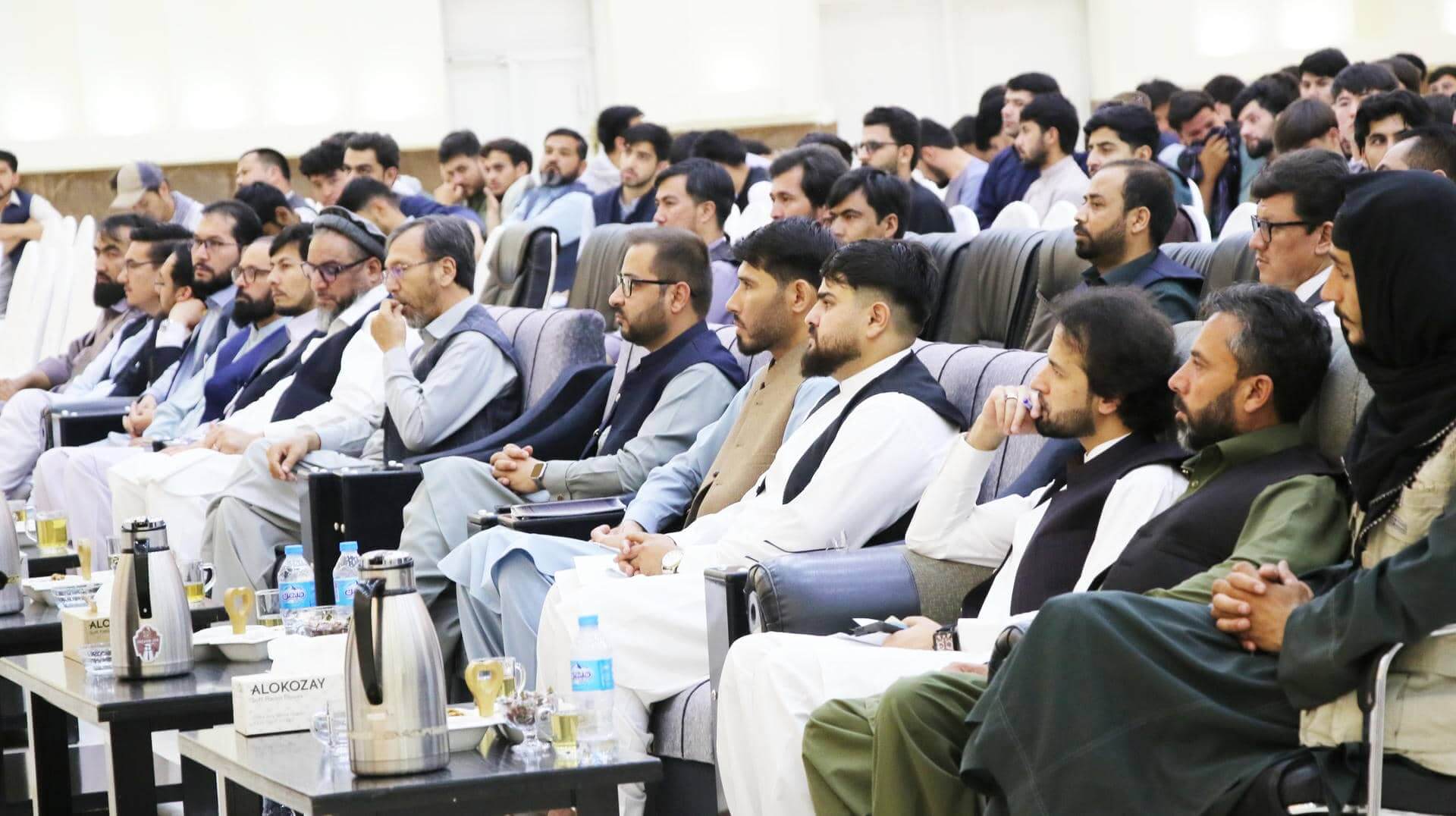
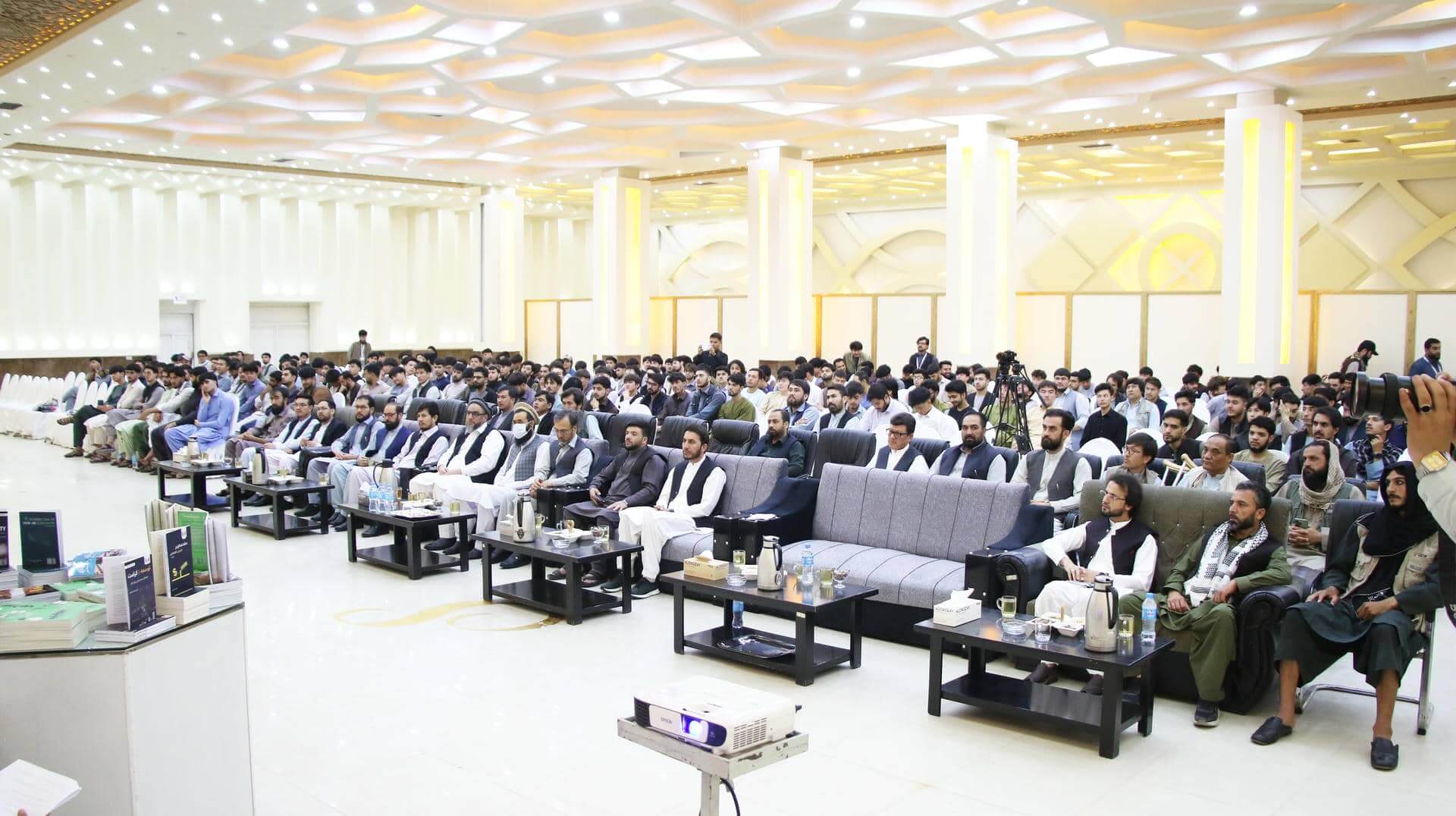
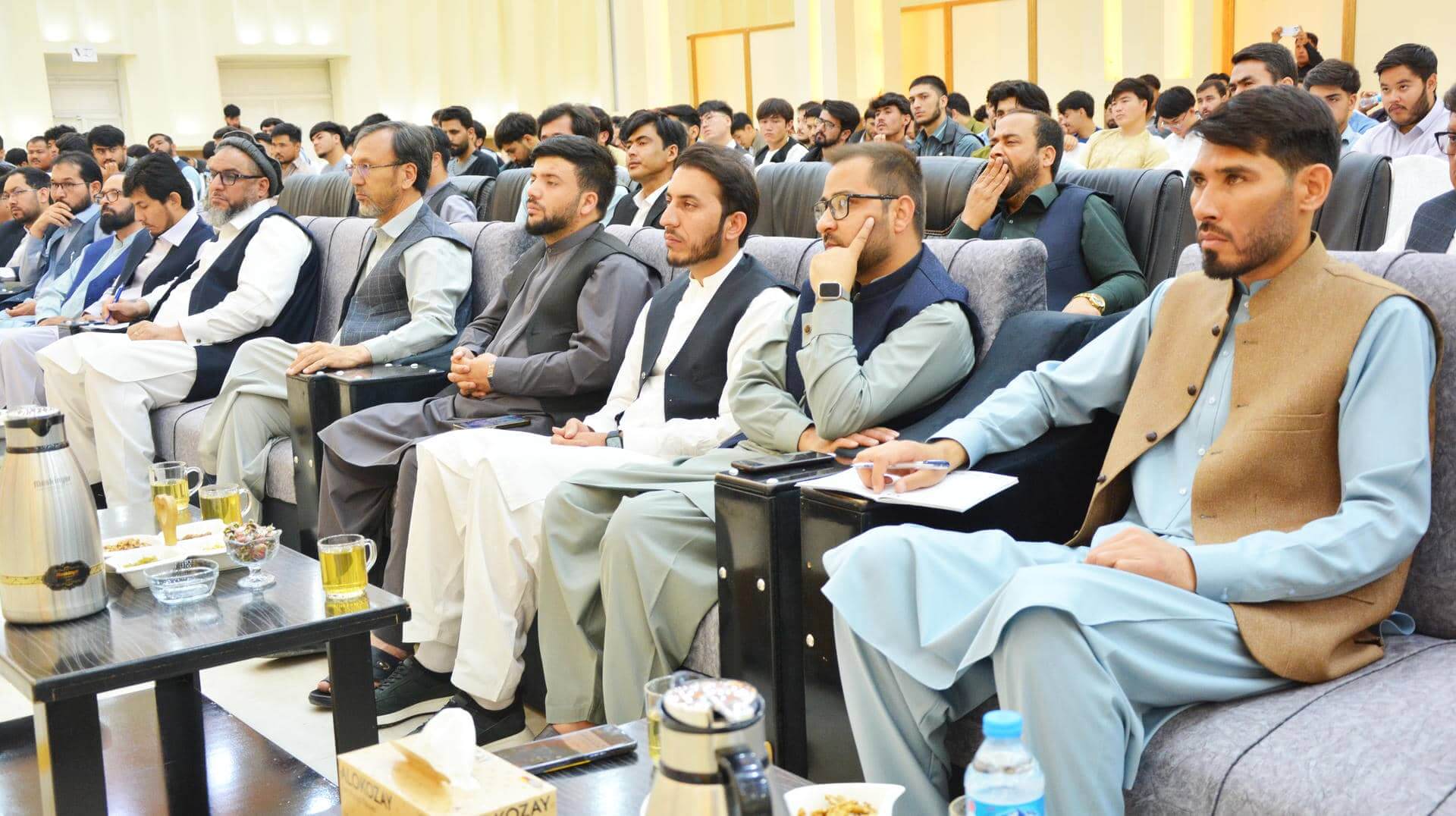
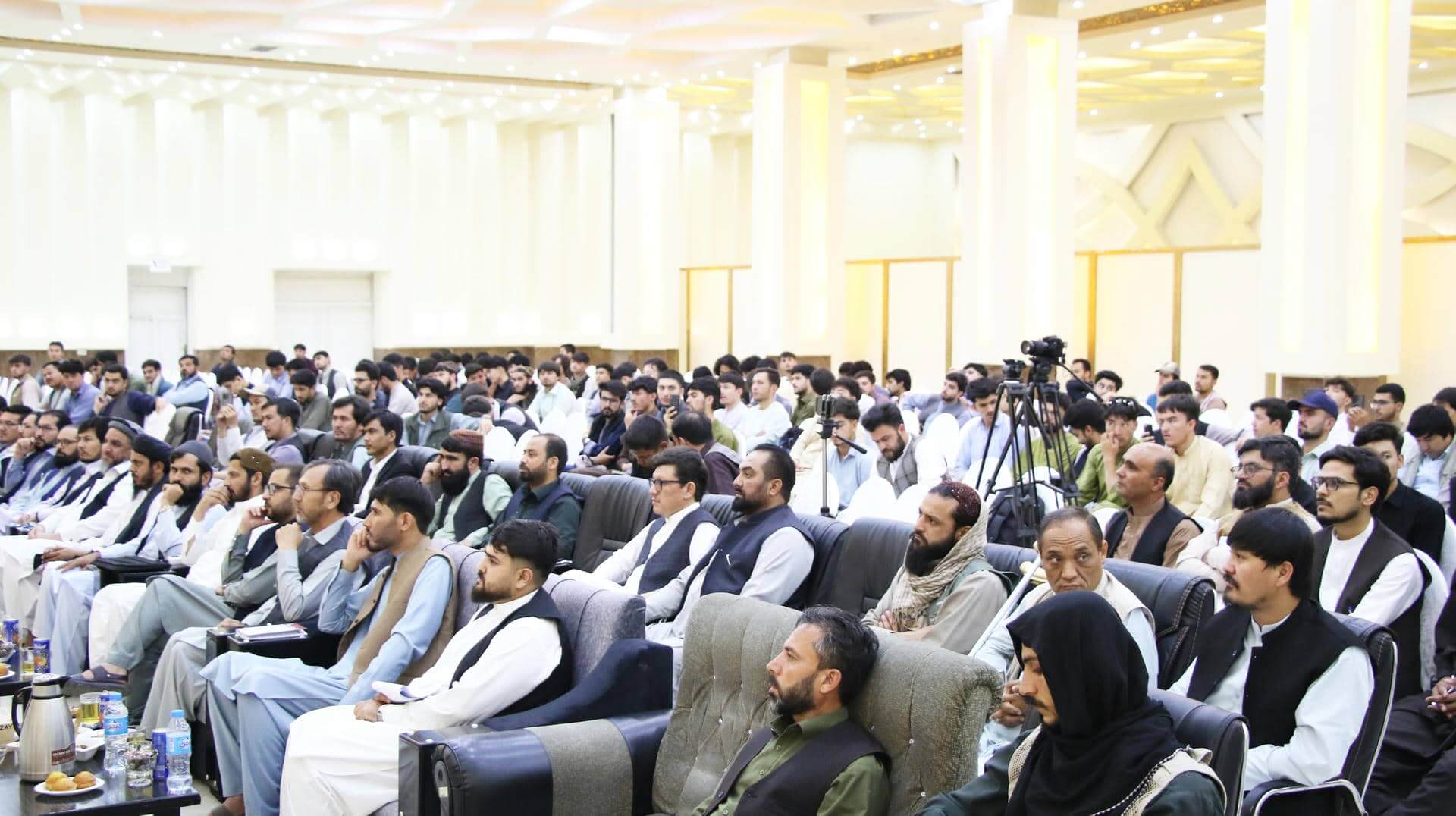
The Entrepreneurship Camp 2026 served as the culmination of a nationwide entrepreneurial competition that provided young innovators; including women and girls from different provinces with the opportunity to present practical business solutions and compete for financial support to transform their ideas into sustainable enterprises.
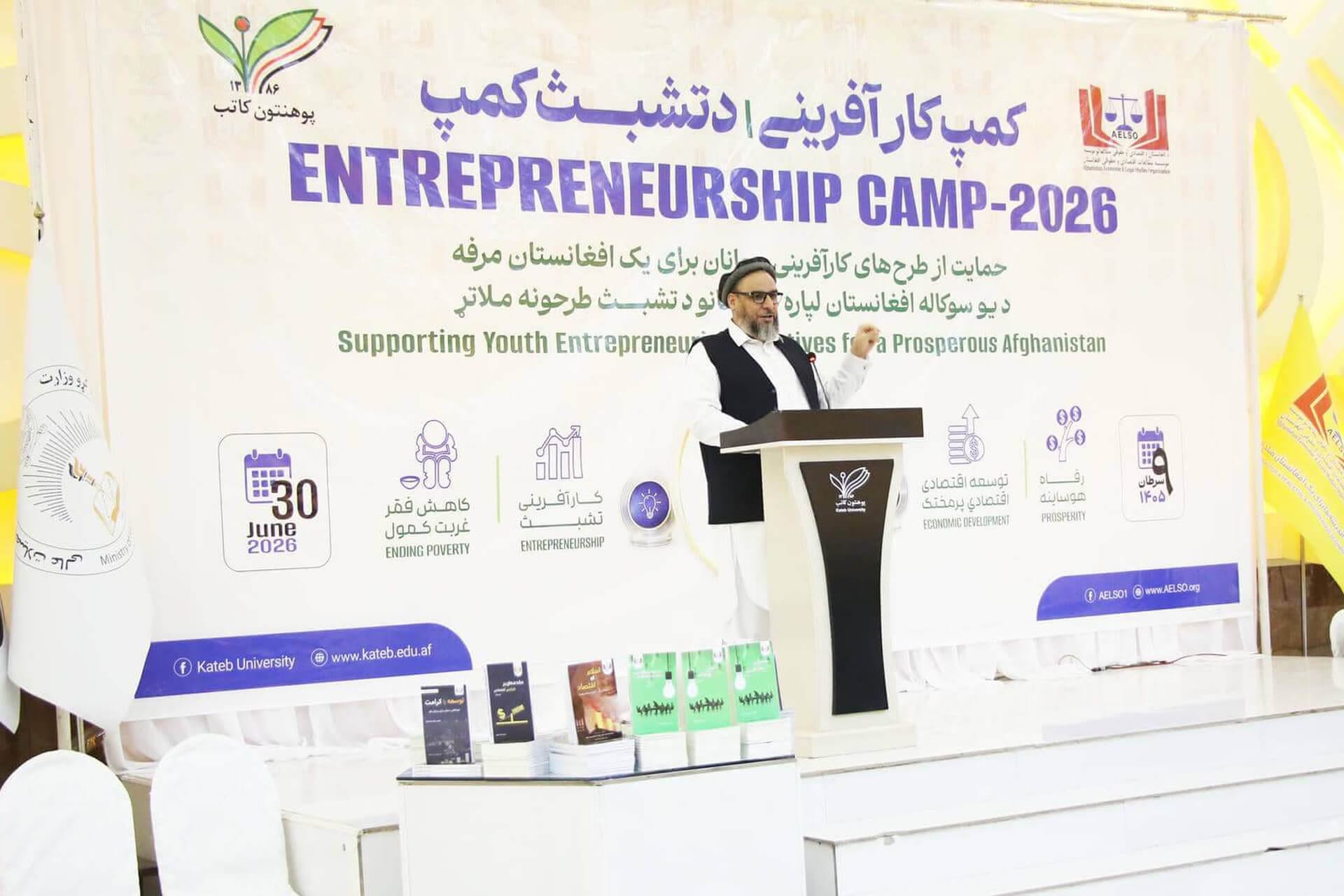
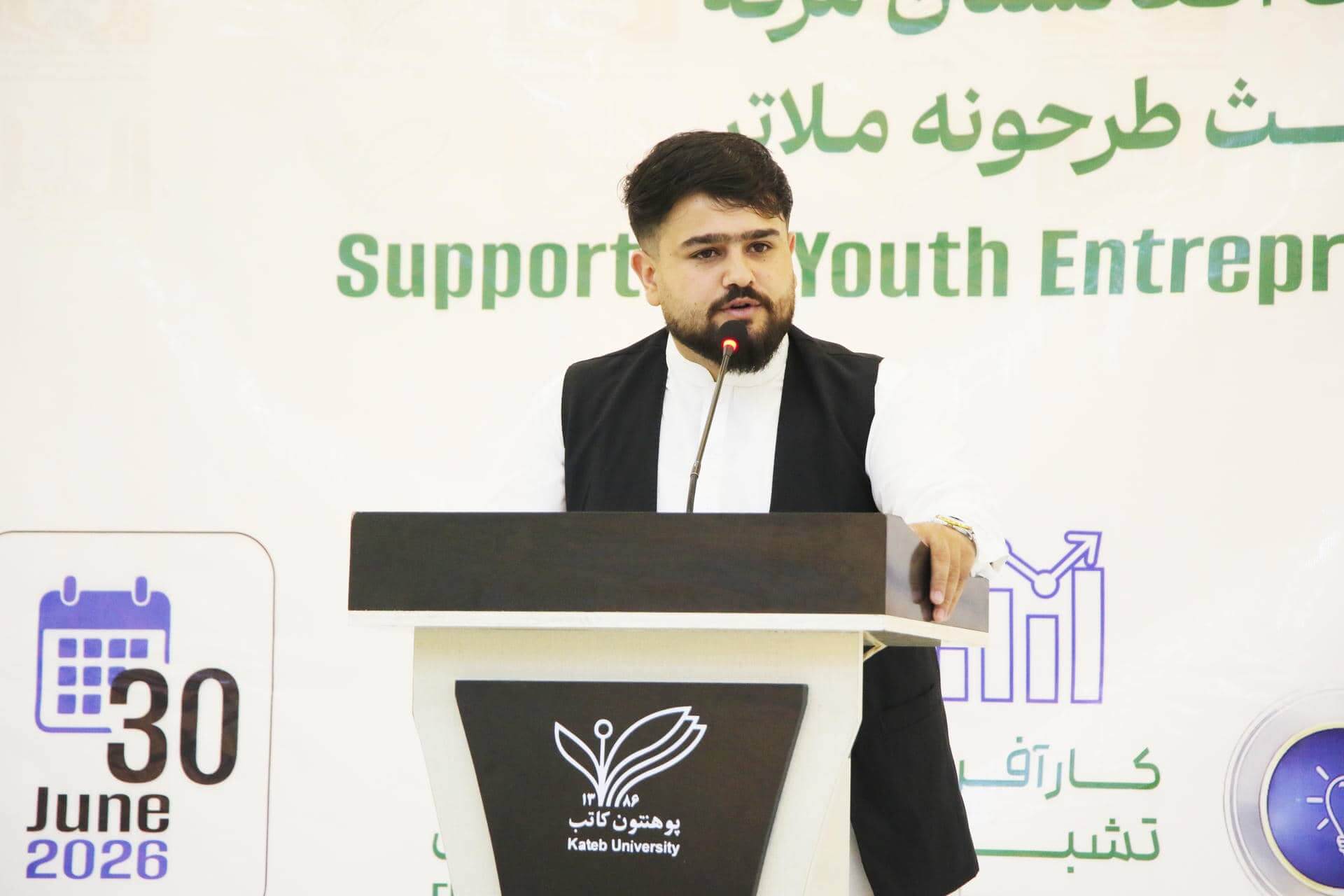
Delivering the keynote address, Professor Ali Ahmad Yousufi, President of Kateb University, emphasized the vital role of universities in nurturing entrepreneurial thinking and supporting innovation among students.
“Universities must move beyond knowledge dissemination and become centers where innovation, creativity, and entrepreneurship are transformed into practical solutions for society.”
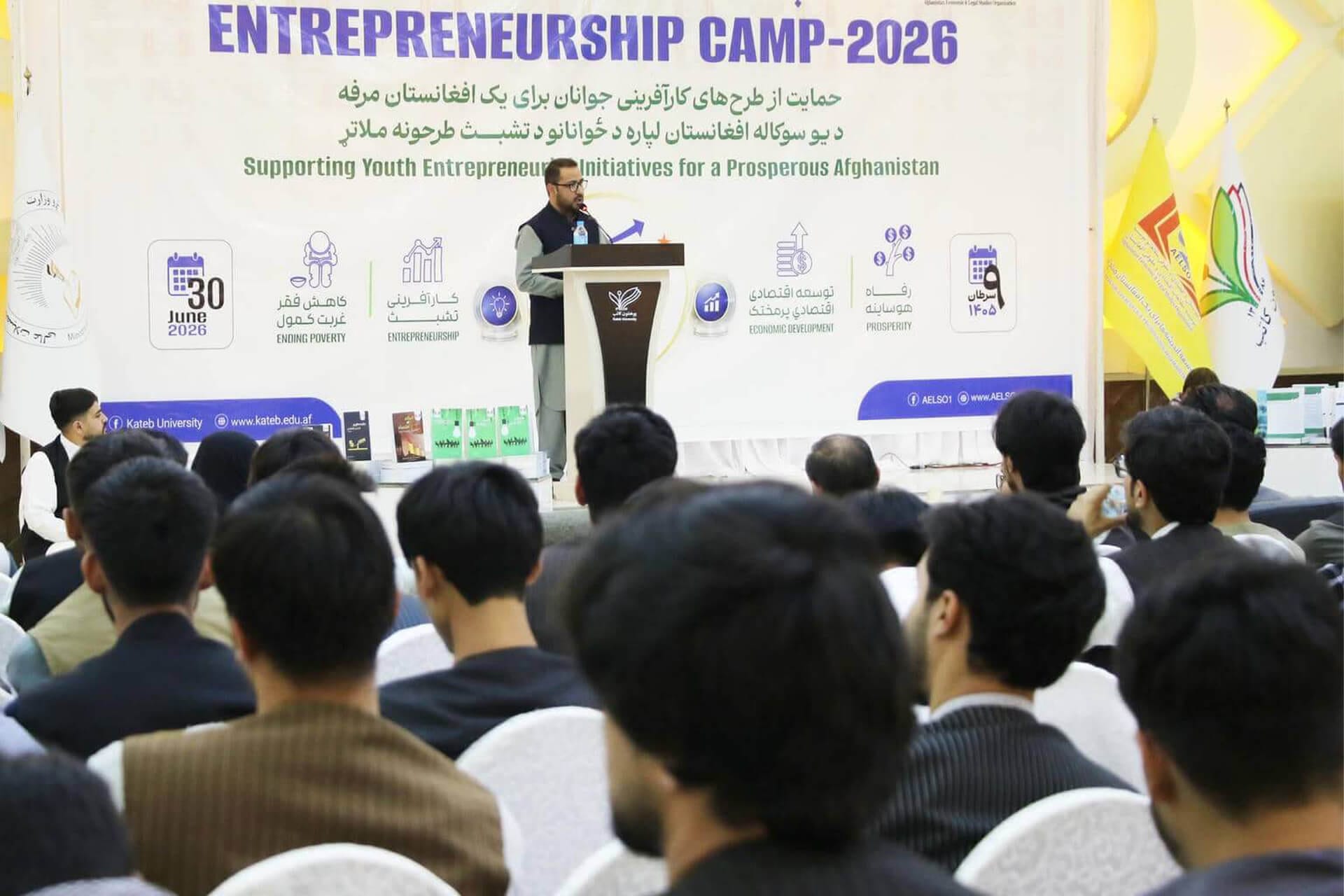
Mohammad Hanif Farzan, President of AELSO, outlined the organization’s long-term vision for strengthening Afghanistan’s entrepreneurial ecosystem and explained the objectives of organizing the Entrepreneurship Camp. He noted that empowering young entrepreneurs through mentorship, competition, and networking creates opportunities for economic growth and social development.
“Entrepreneurship is not merely about creating businesses; it is about creating opportunities, strengthening communities, and building hope for Afghanistan’s future.”
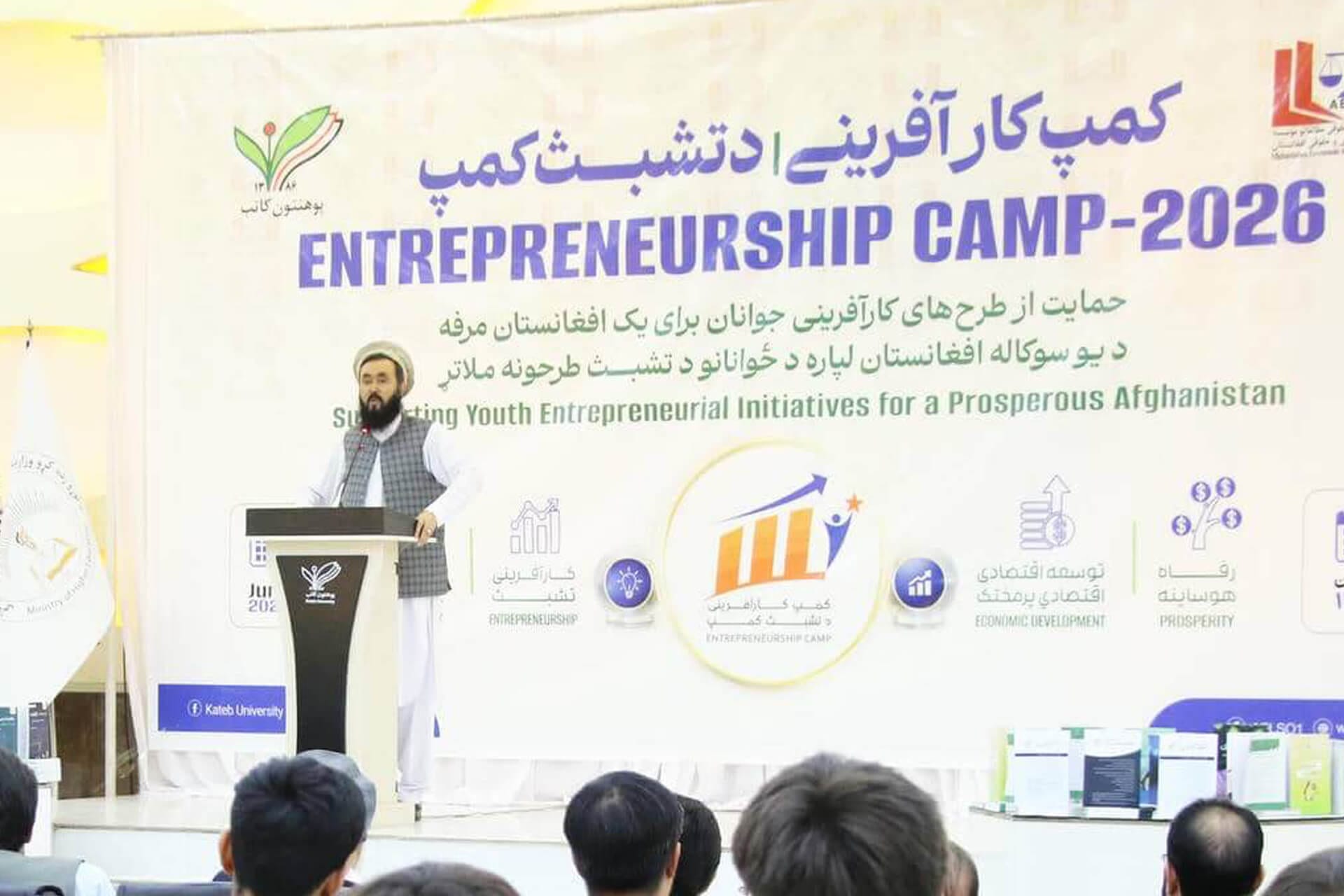
Dr. Abdul Latif Nazari, Deputy Minister for Professional Affairs at the Ministry of Economy, discussed both the opportunities and the structural challenges facing entrepreneurs in Afghanistan. He stressed the importance of innovation, public-private cooperation, and supportive policies to encourage investment and enterprise development.
“Young entrepreneurs represent one of Afghanistan’s greatest assets. Supporting their innovation is an investment in sustainable economic development.”
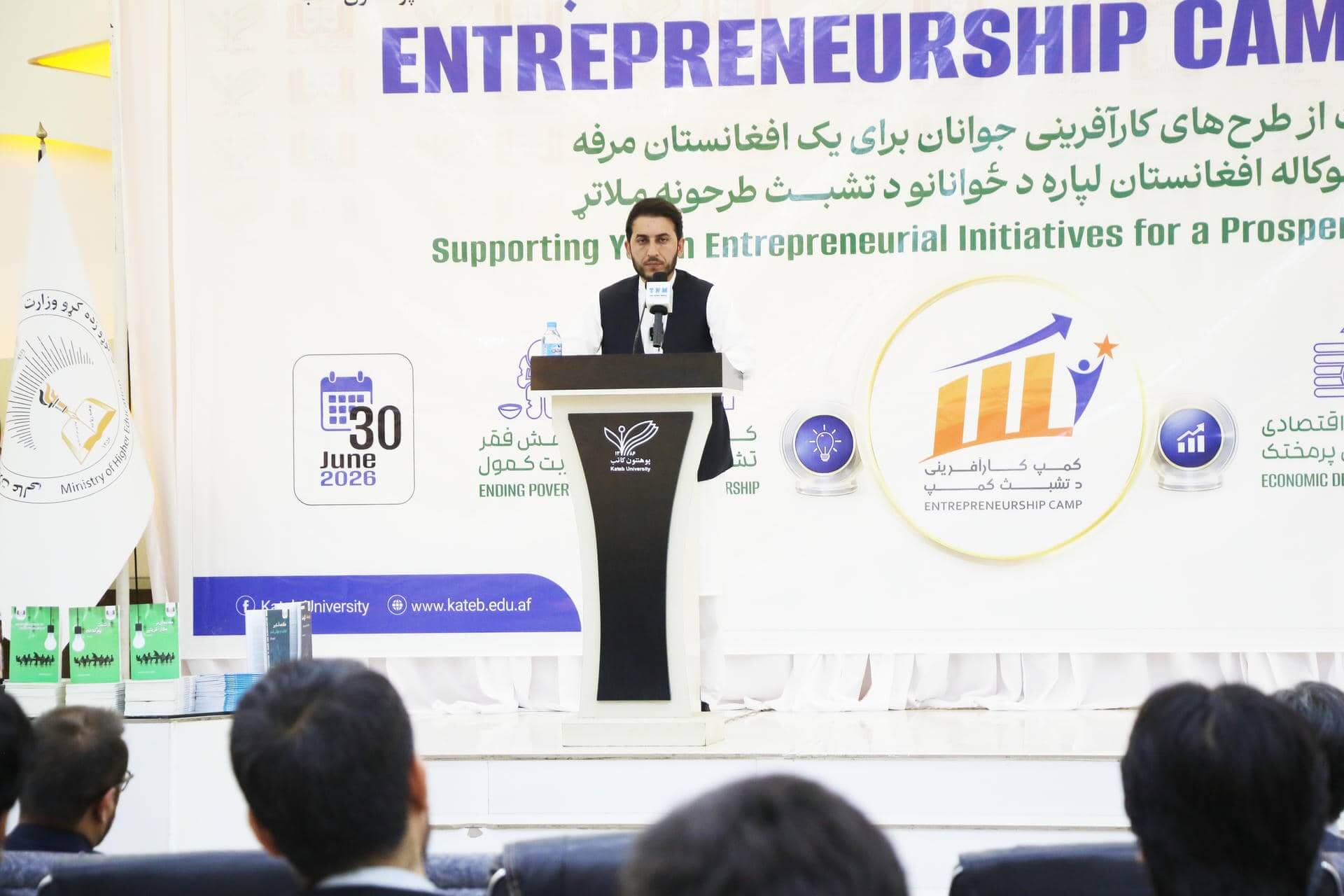
Representing the Afghanistan Chamber of Commerce and Investment, Abdul Zahoor Modaber, Senior Advisor, highlighted the indispensable role of private sector investment in generating employment and reducing poverty.
He encouraged stronger collaboration between entrepreneurs, investors, universities, and development organizations to expand opportunities for emerging businesses.
“A vibrant private sector creates jobs, stimulates innovation, and serves as one of the most effective instruments for poverty reduction.”
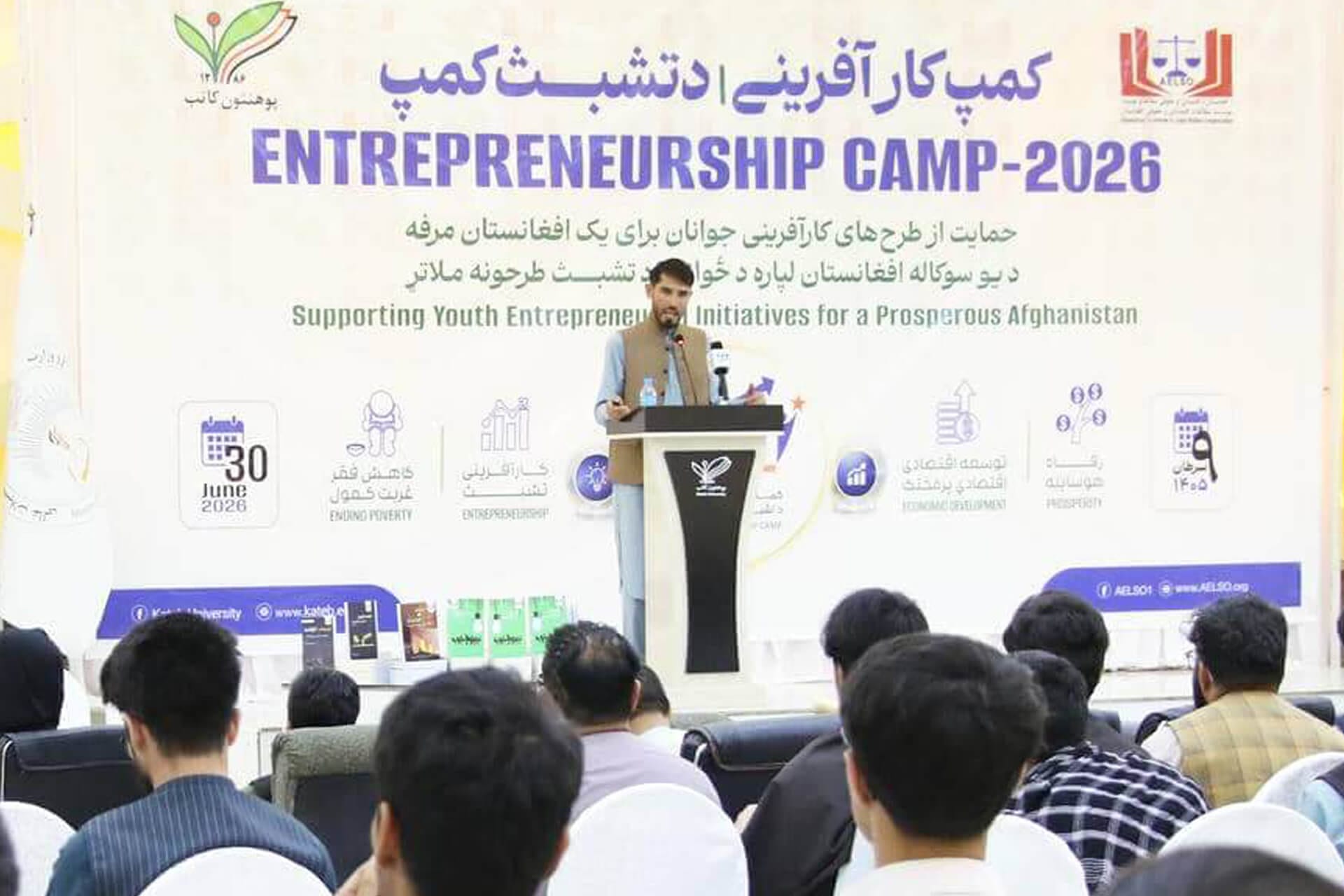
Abdul Qaher Beheshti, Head of Research and Programs at AELSO, presented the competition methodology, explaining the evaluation criteria, selection mechanism, and lessons learned from the Entrepreneurship Camp 2026.
His presentation outlined the transparent judging process, emphasizing innovation, feasibility, sustainability, social impact, and business viability as the principal evaluation criteria.
“The competition was designed to reward not only innovative ideas but also practical solutions capable of creating measurable economic and social impact.”
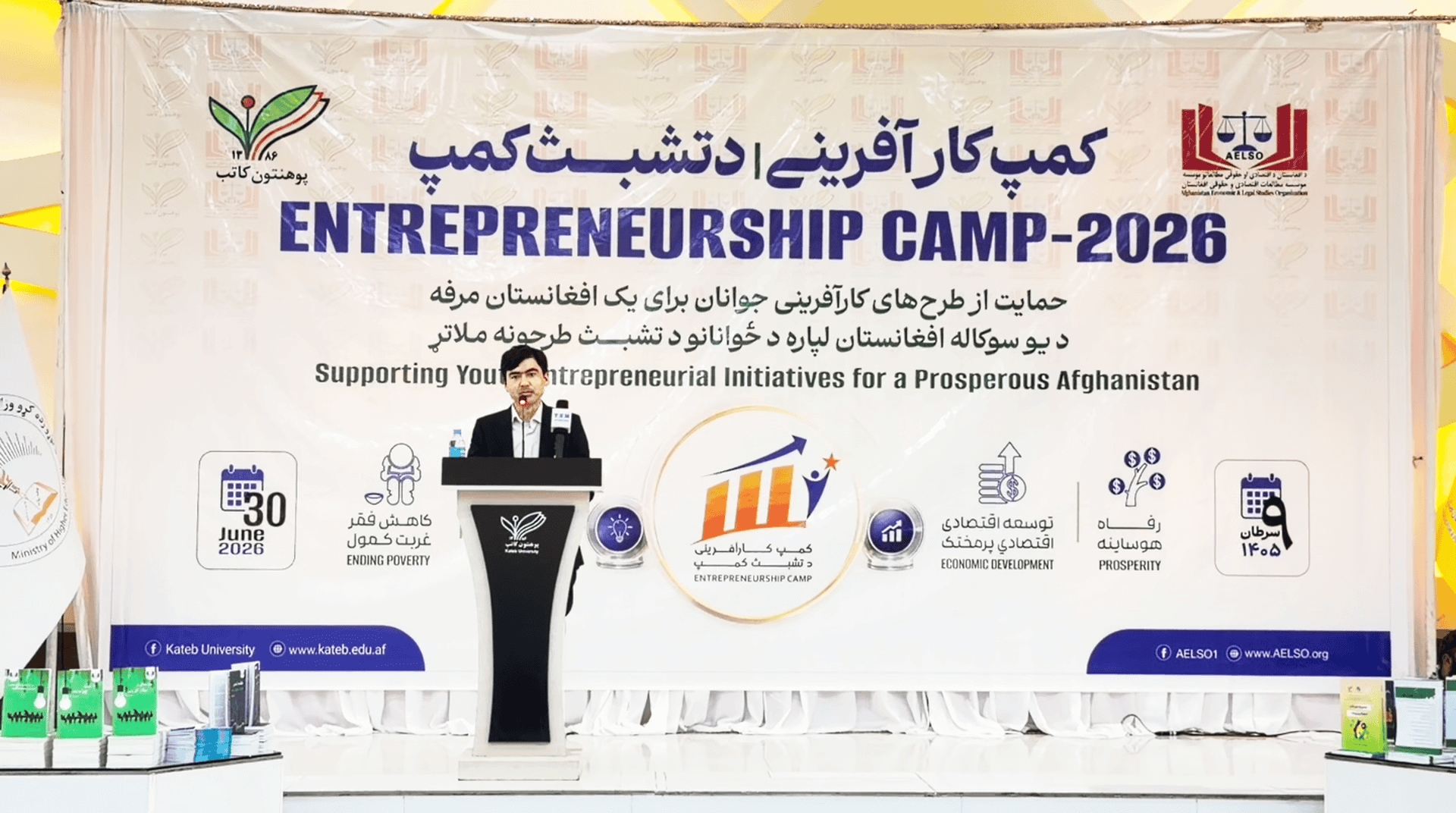
Participants also heard from Abdullah Salmanpour, Team Leader of DOT, the first-place winner of the Entrepreneurship Camp 2025.
He shared the team’s entrepreneurial journey, discussing the challenges encountered after winning the previous competition and explaining how the experience helped transform their business concept into a growing enterprise.
“Winning the Entrepreneurship Camp was only the beginning. The real challenge—and opportunity—was turning an idea into a sustainable business.”
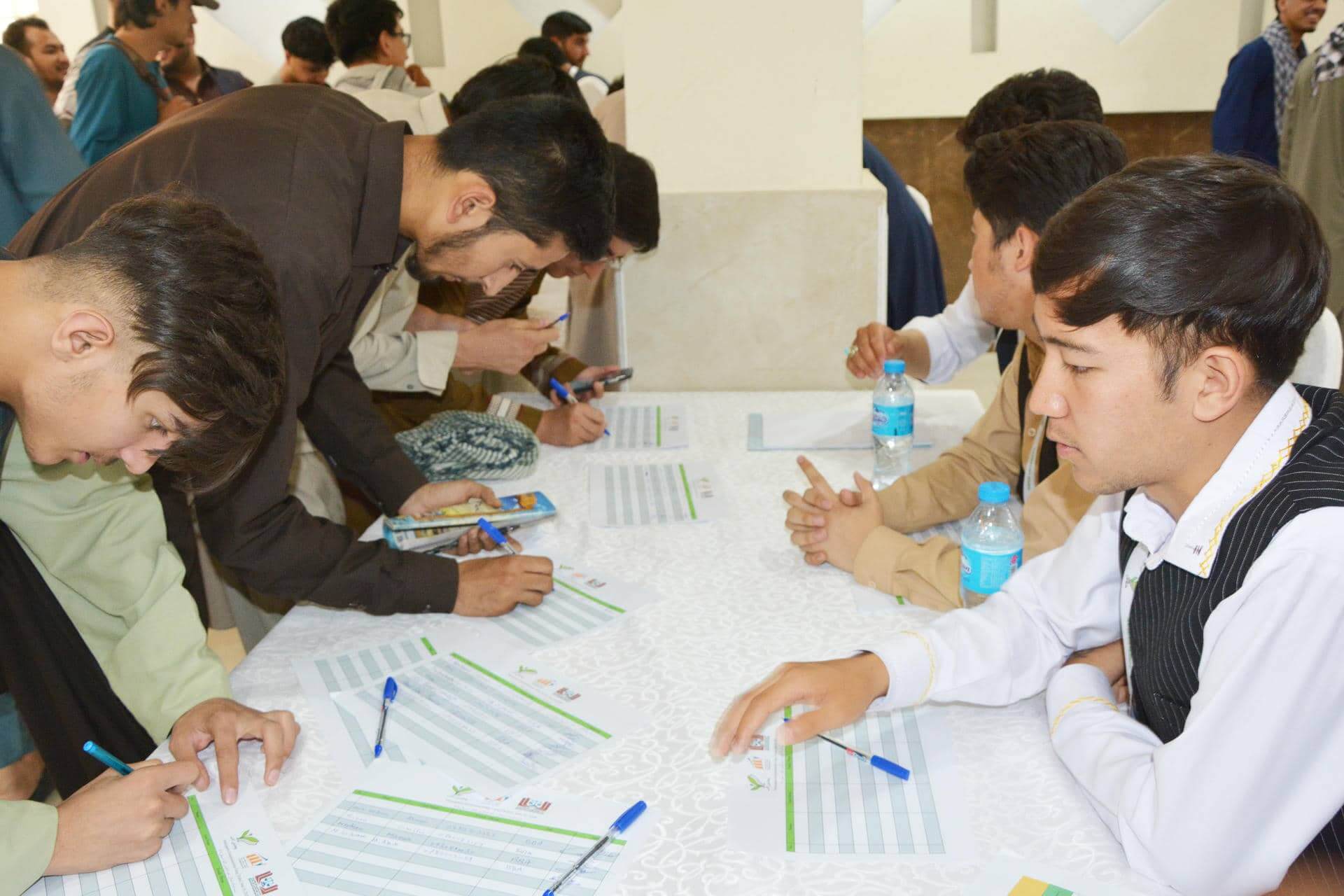
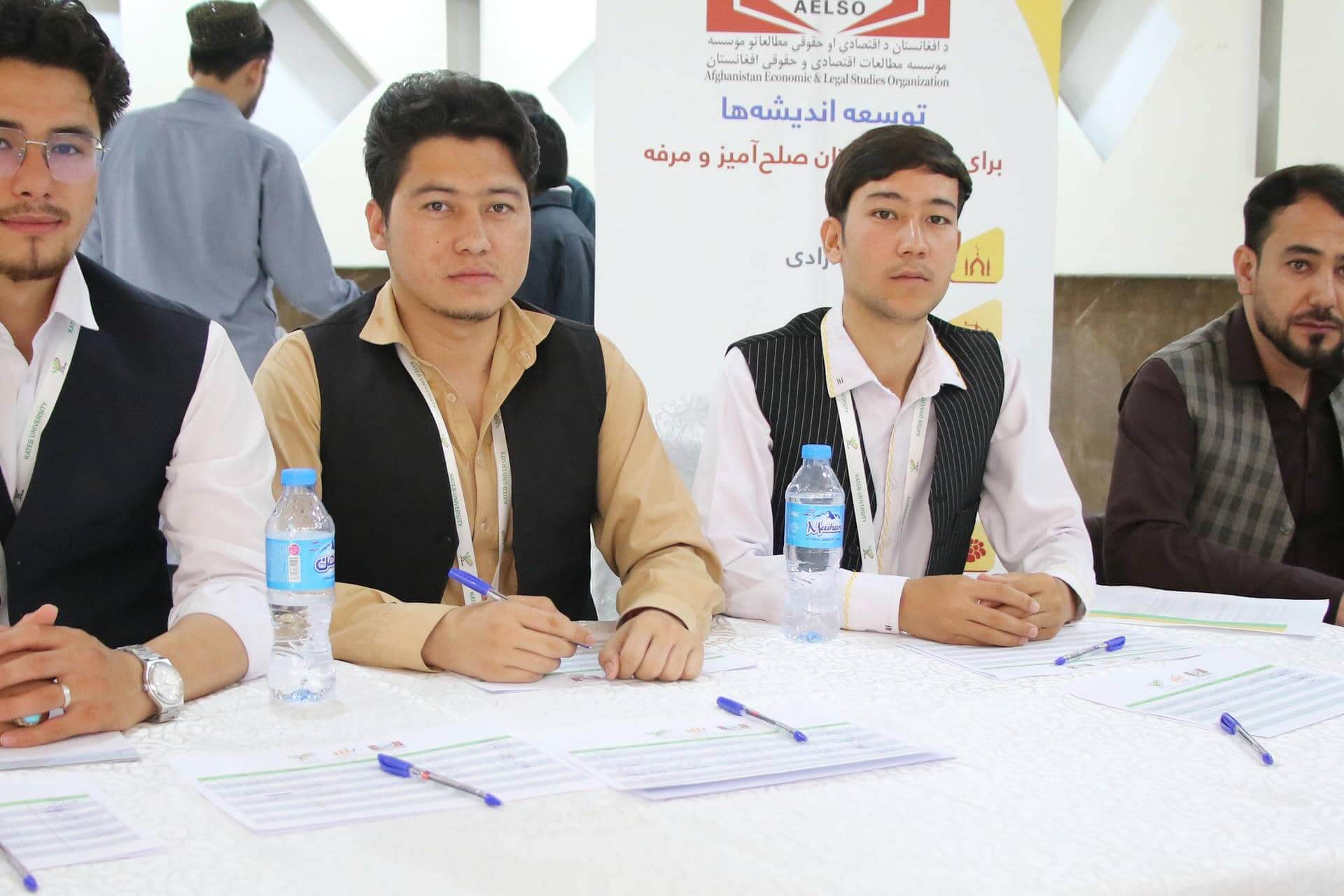
During the interactive session titled “Entrepreneurship from the Perspective of Youth,” several participants shared their experiences and perspectives on the importance of entrepreneurship in addressing unemployment, reducing poverty, and promoting inclusive economic growth across Afghanistan. The discussion demonstrated the enthusiasm, creativity, and determination of Afghanistan’s young entrepreneurs despite existing economic challenges.
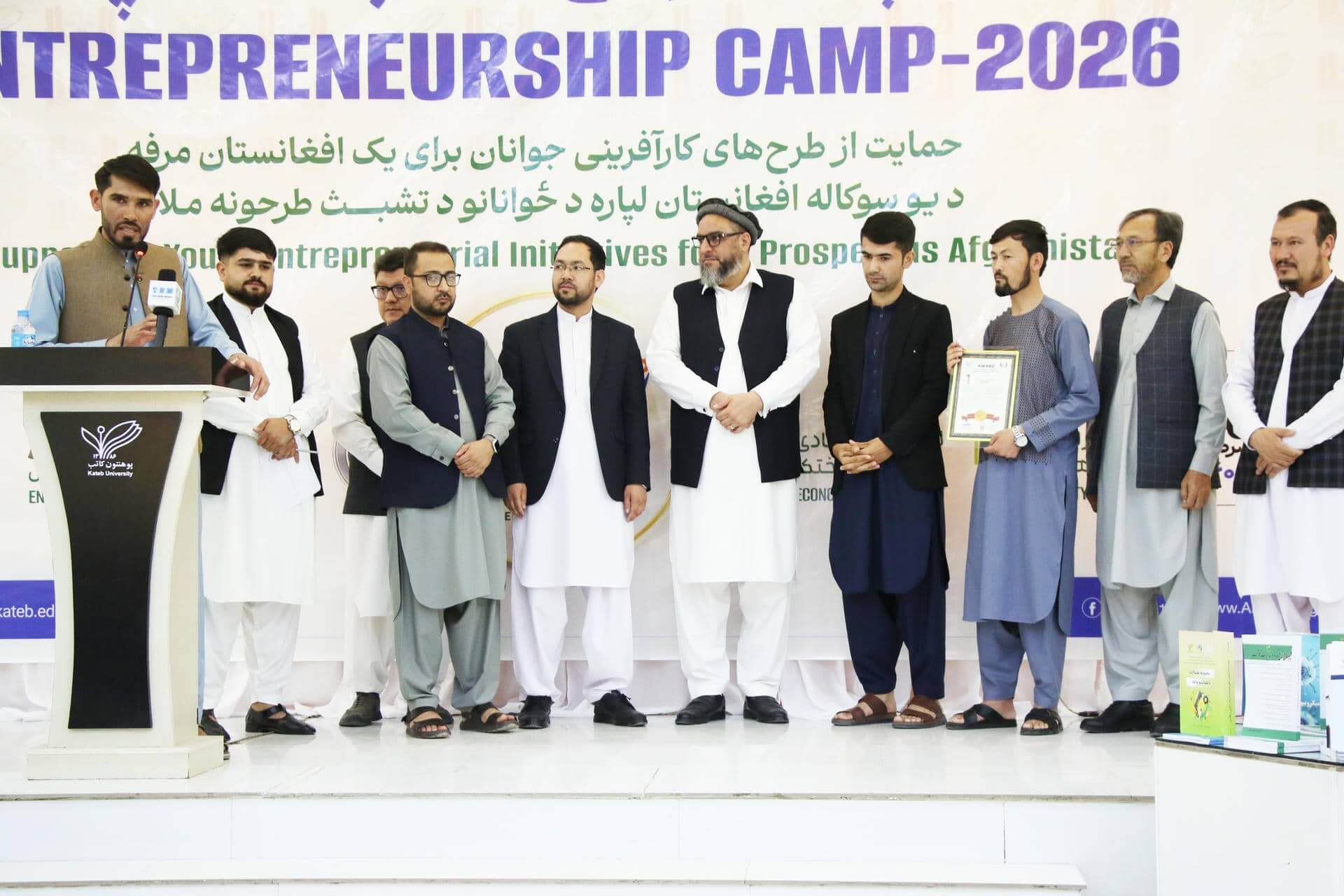
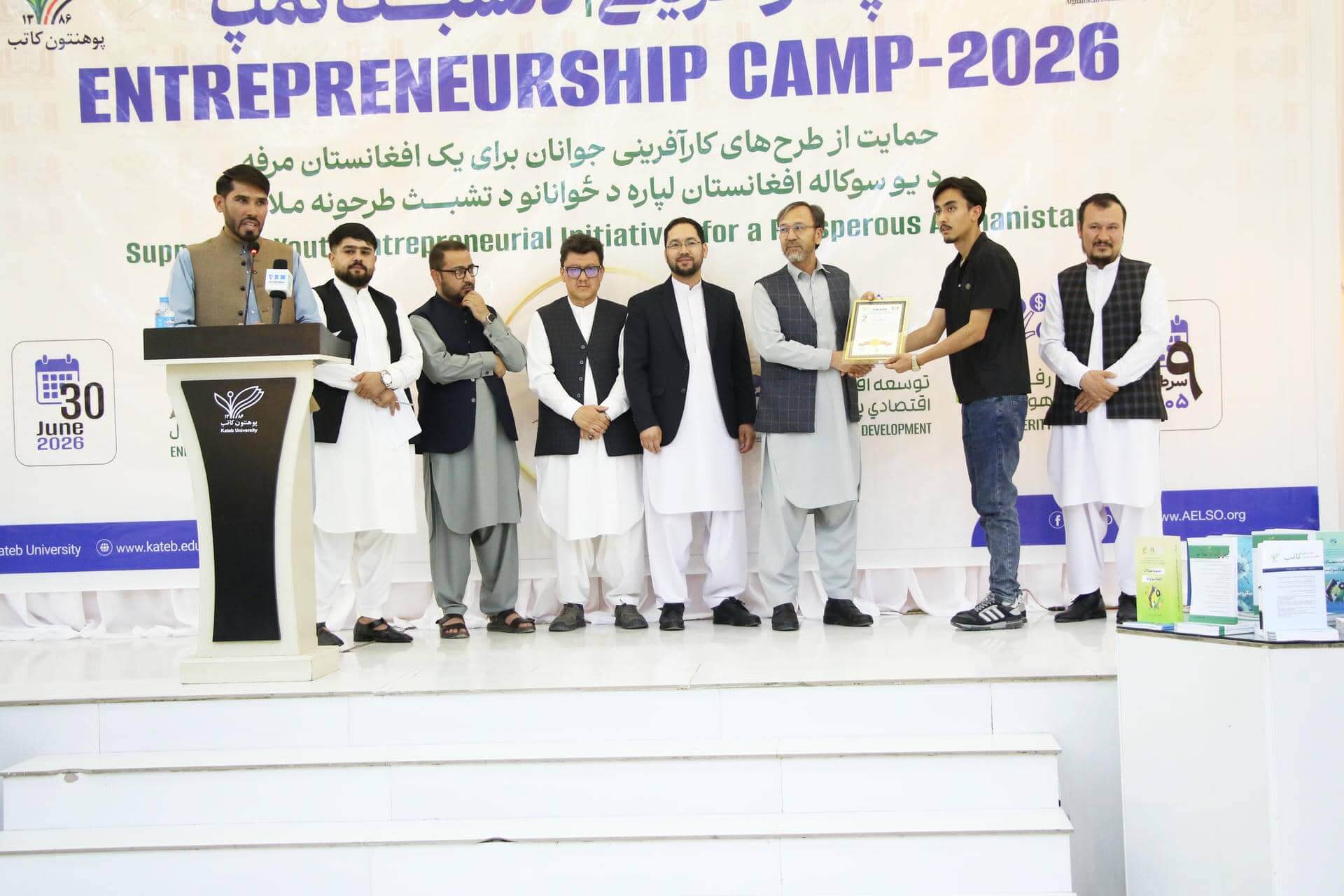
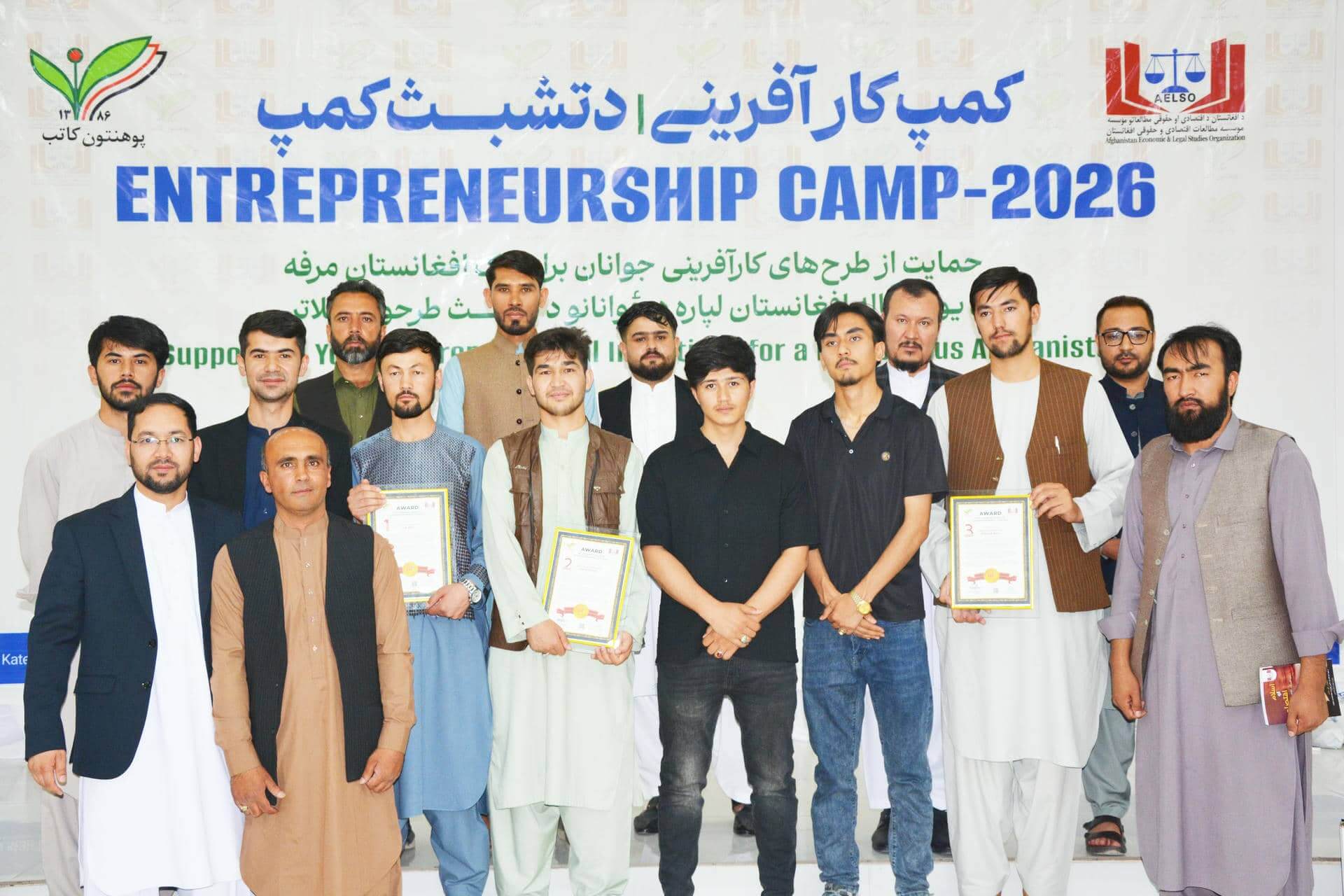
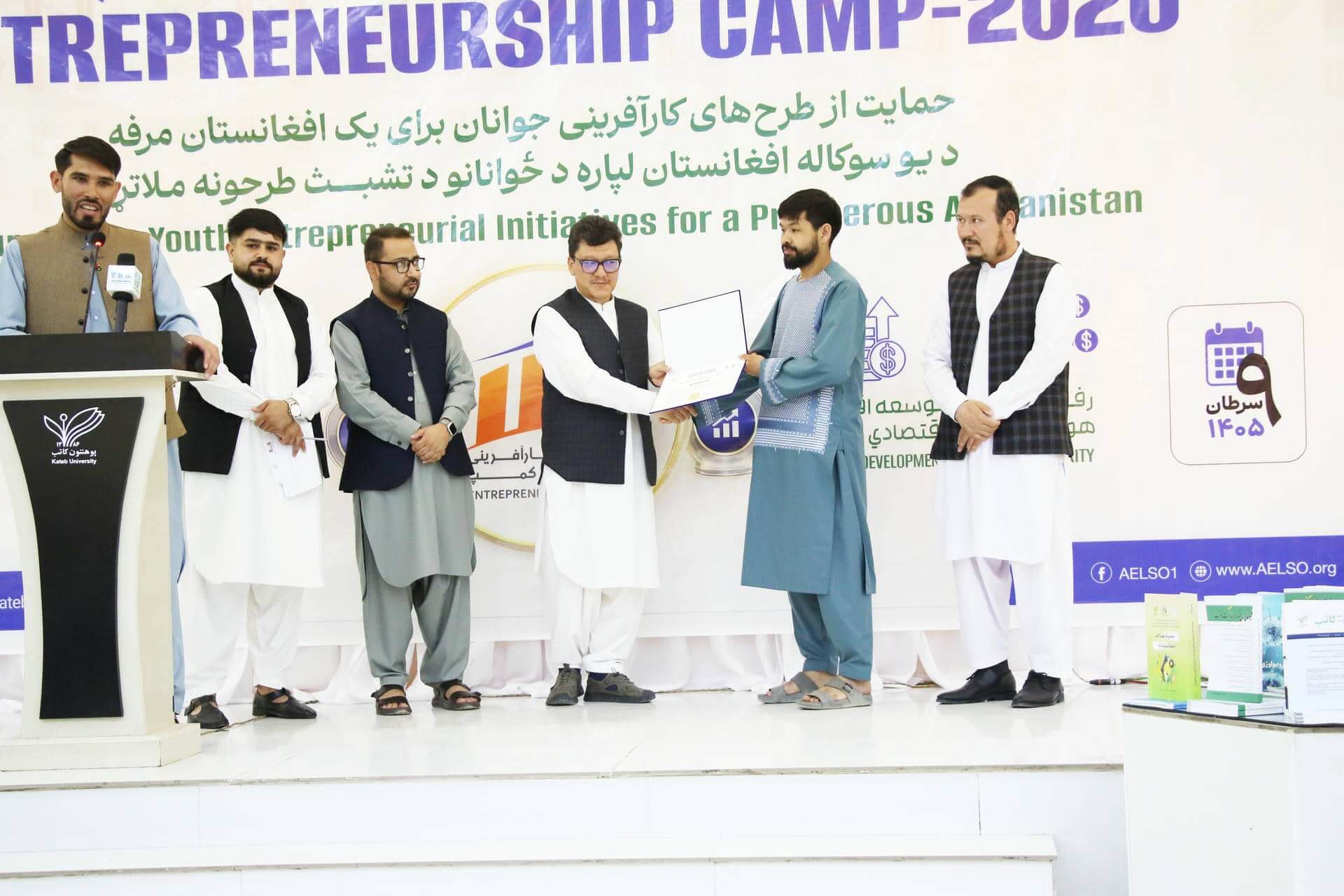
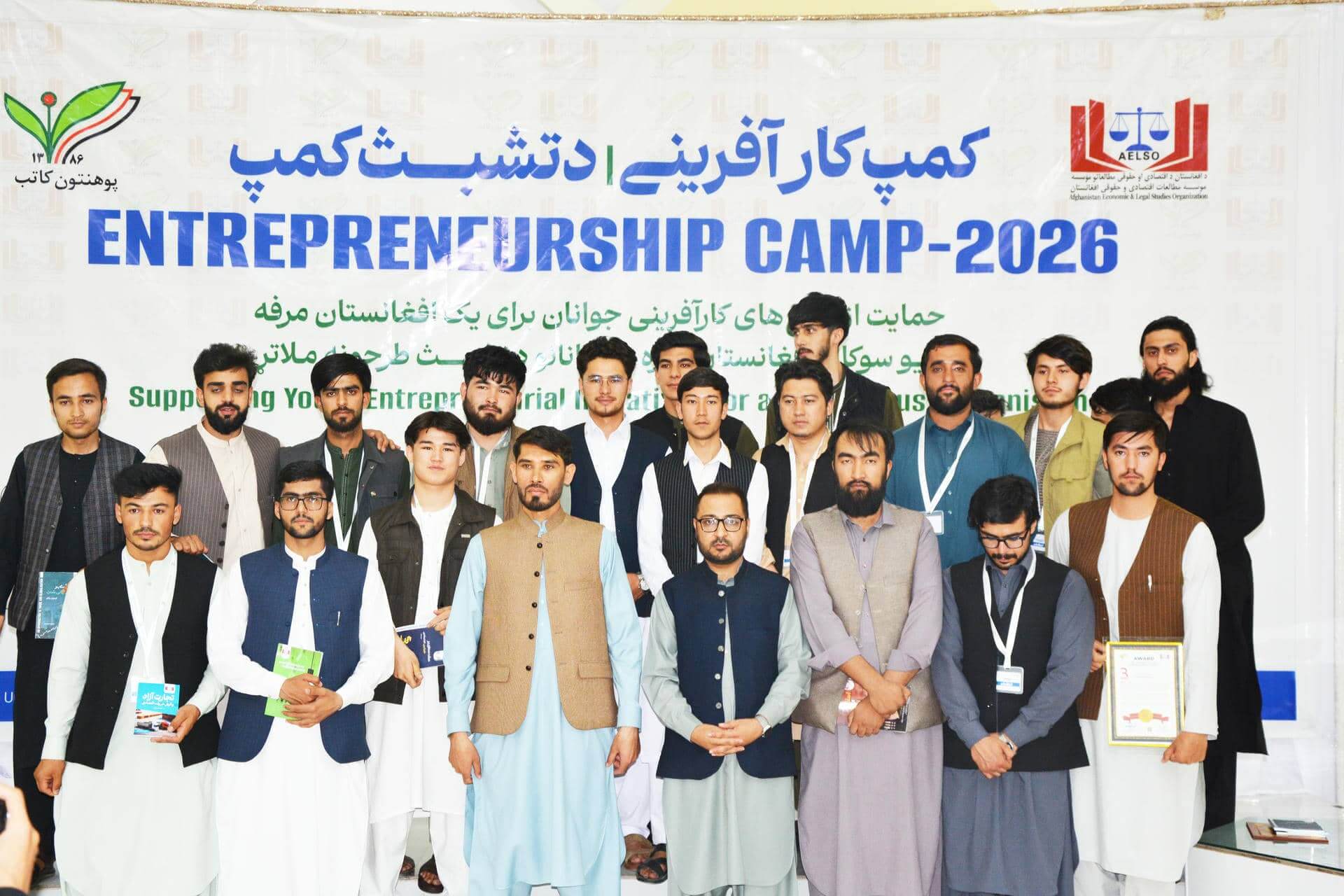
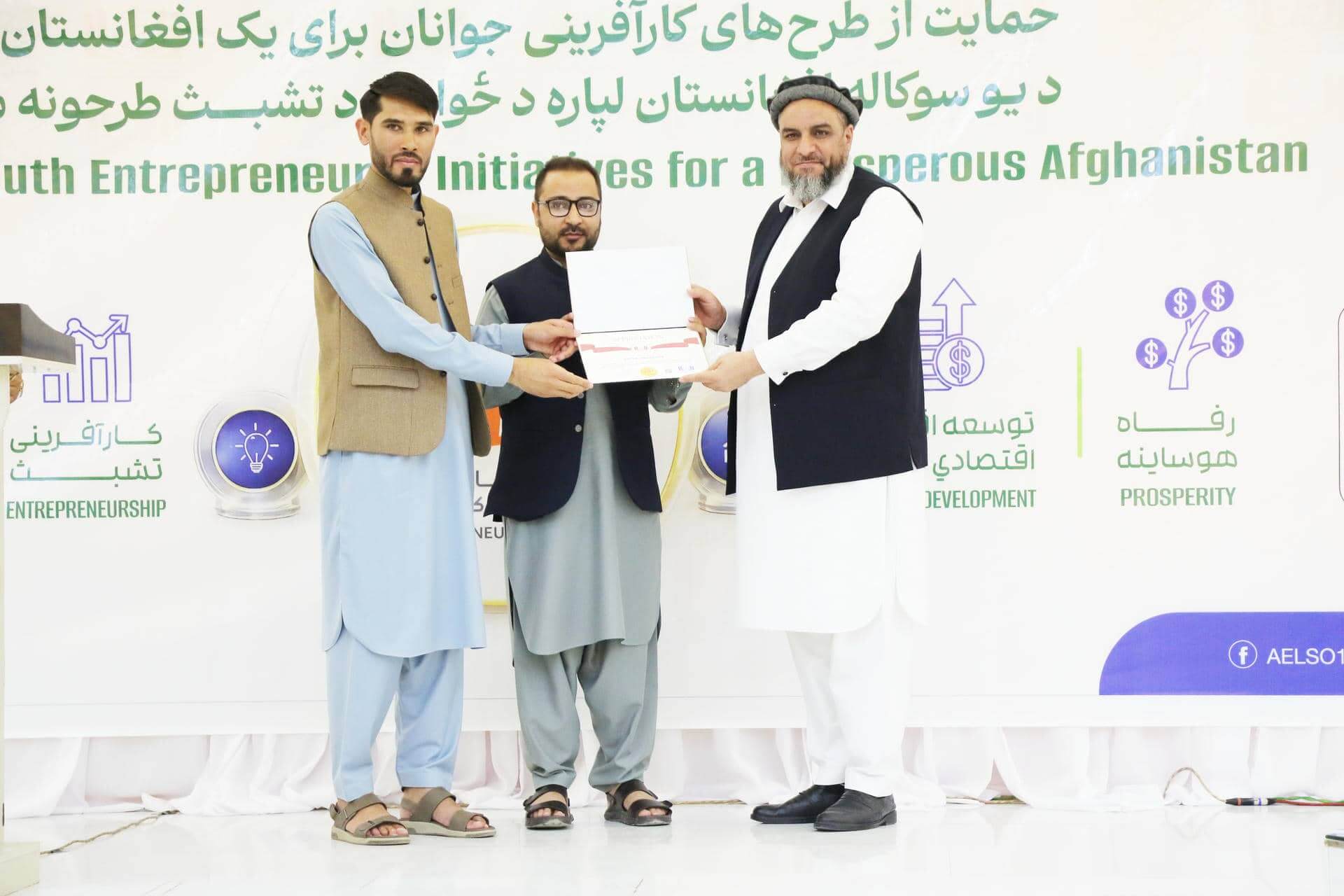
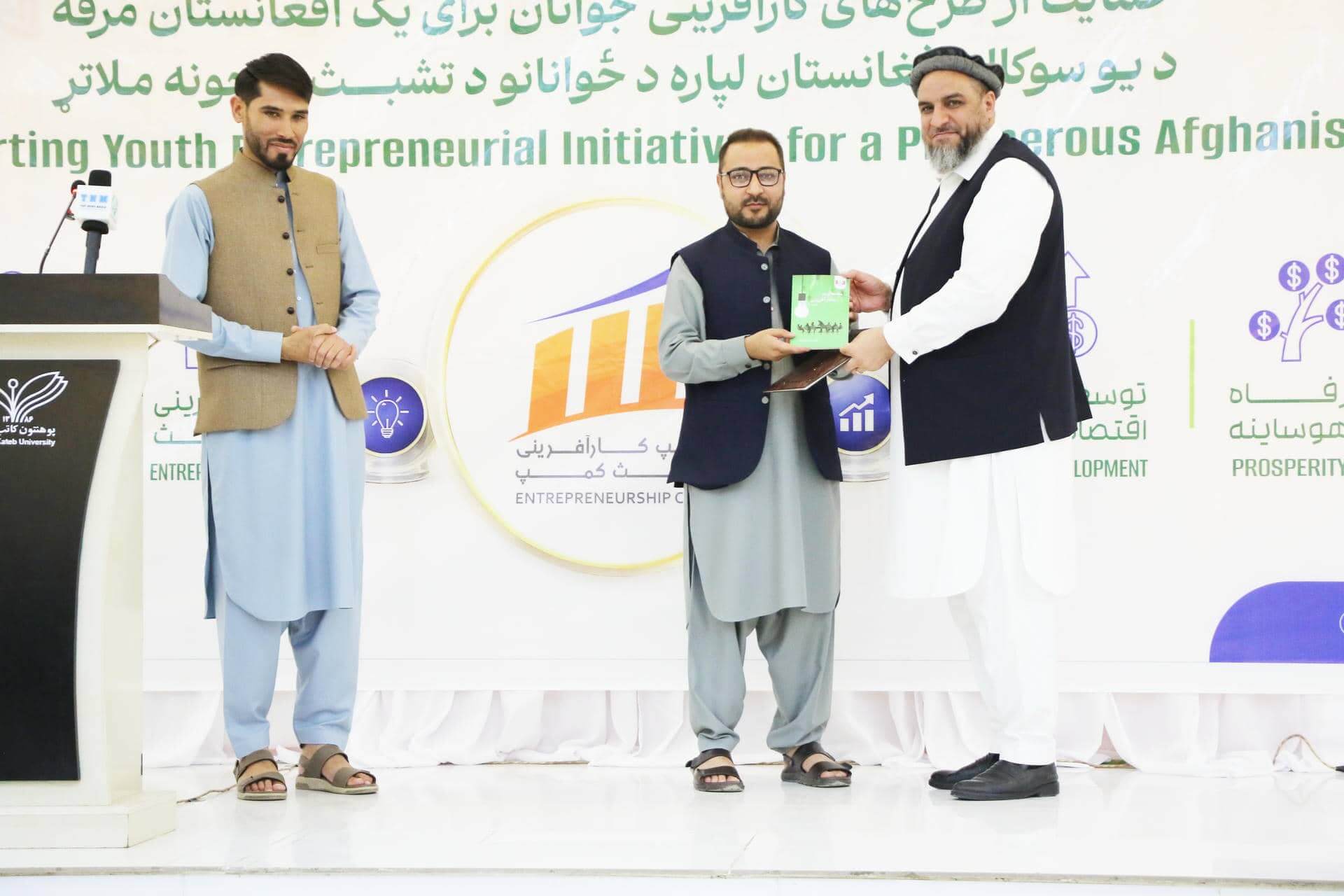
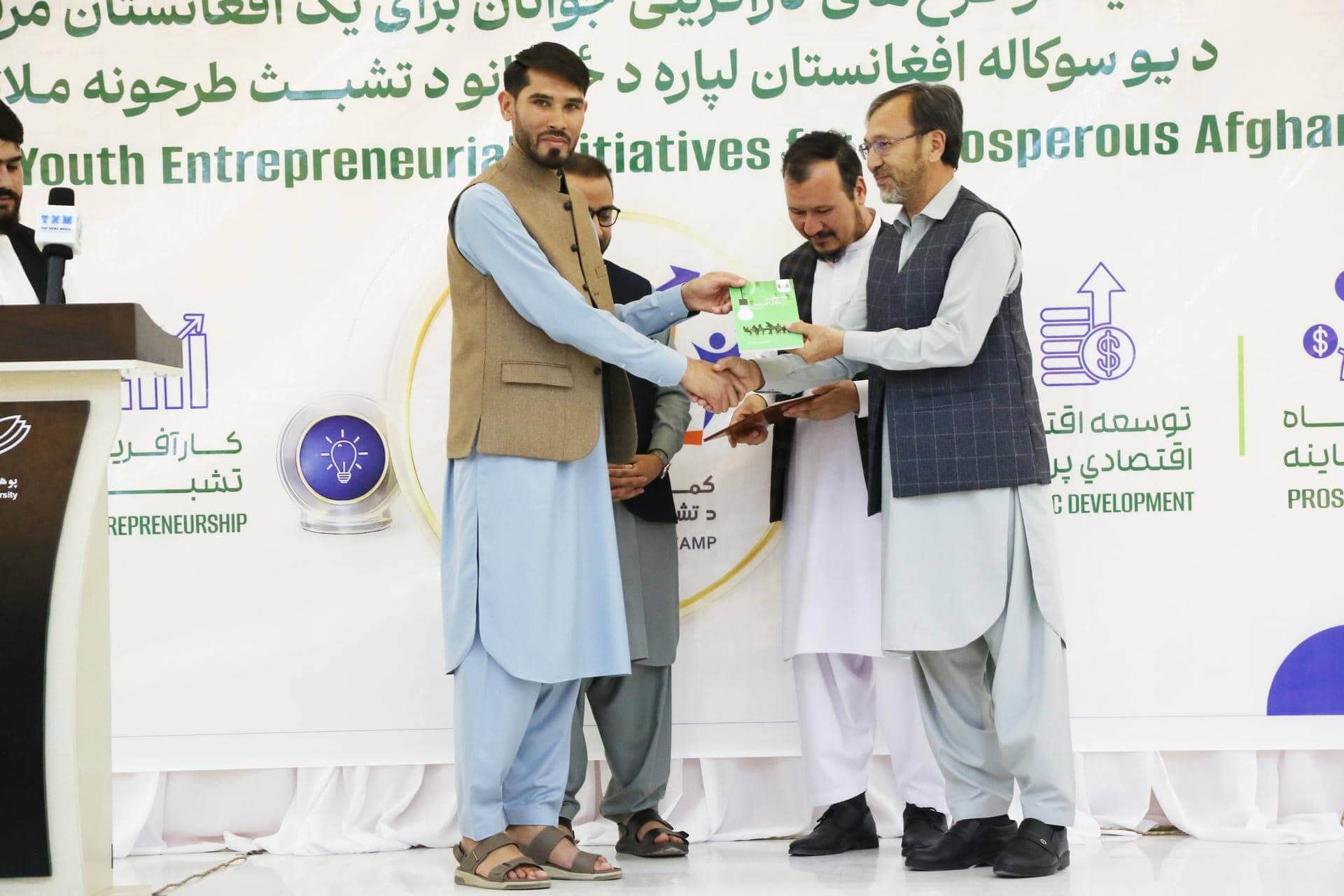
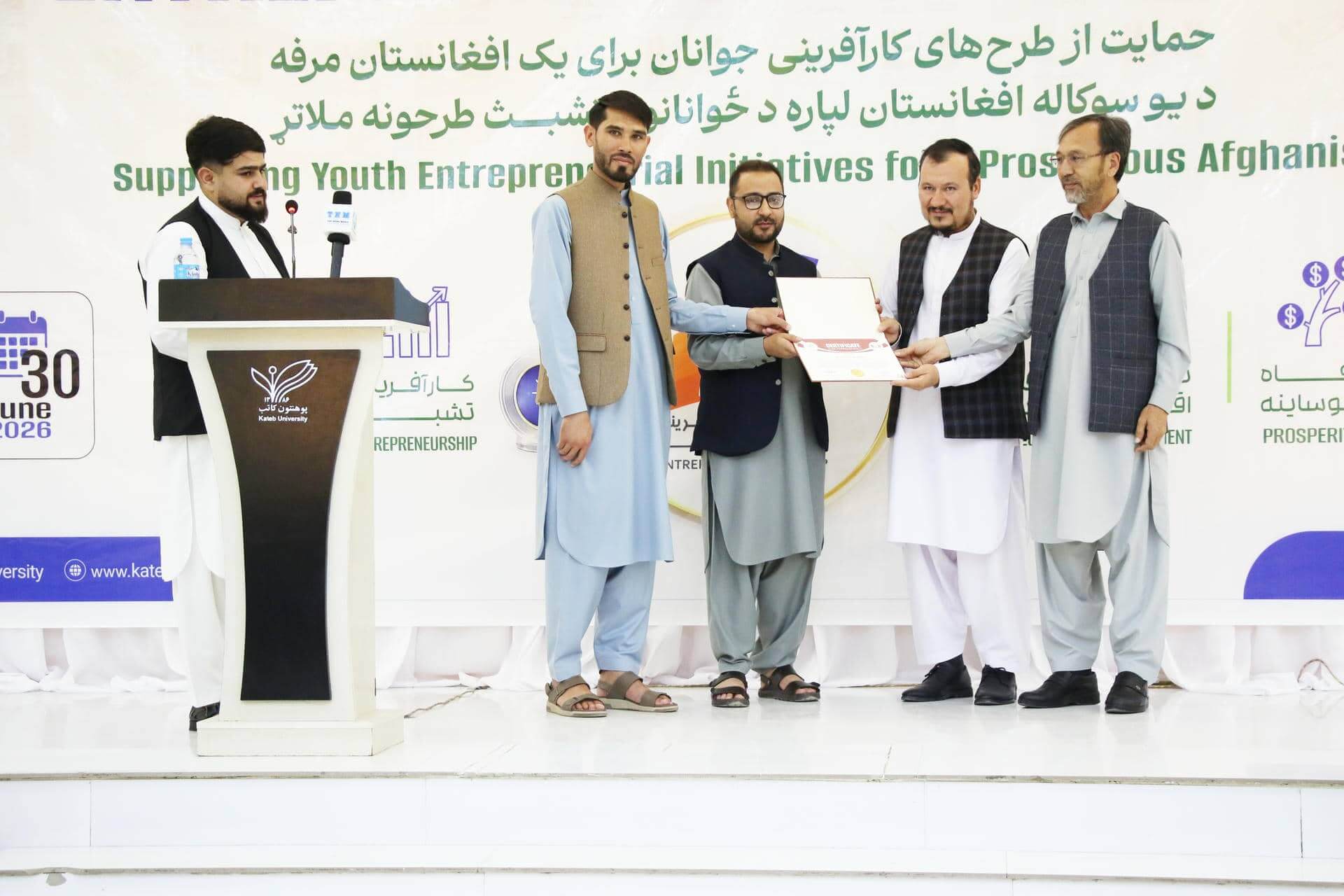
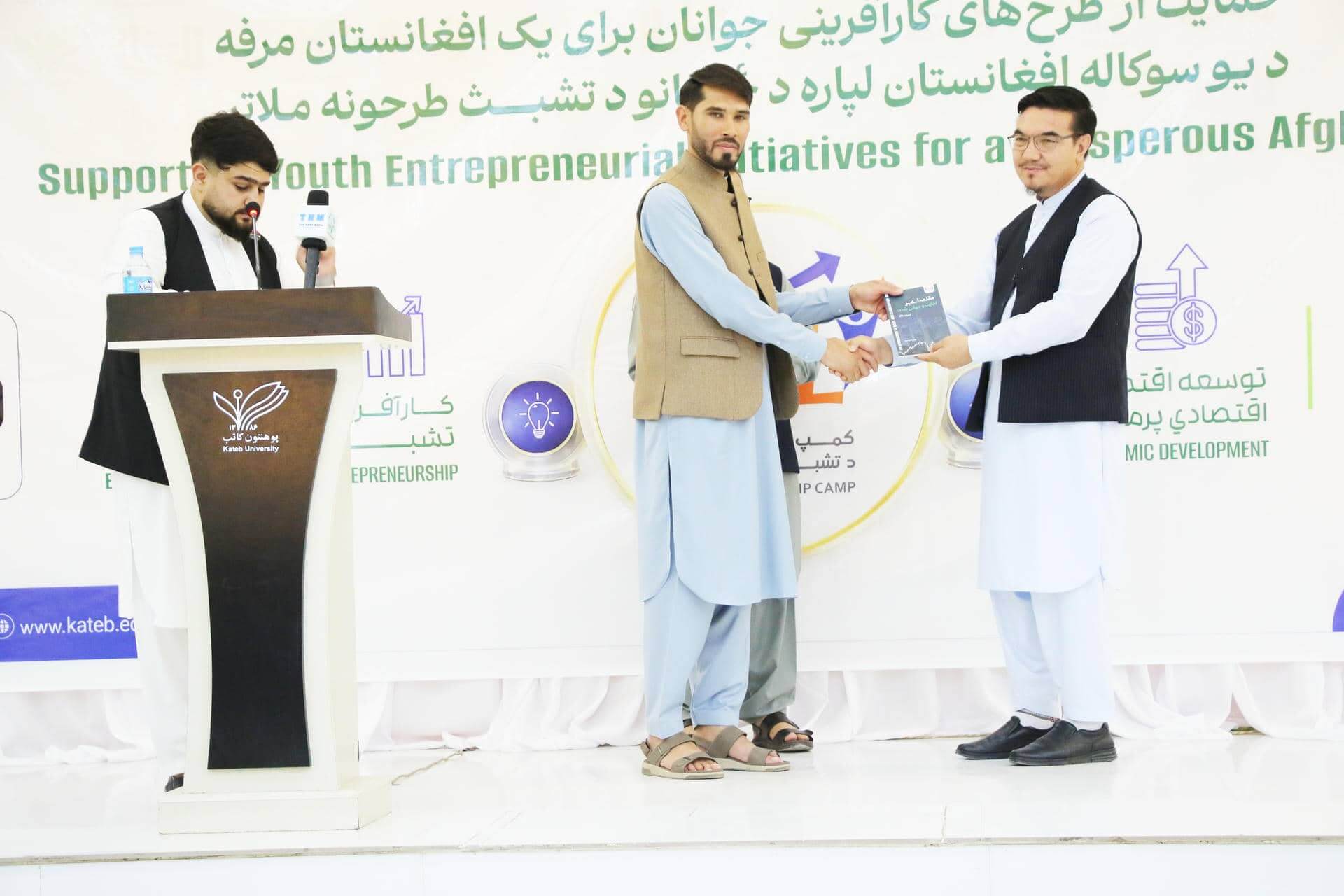
One of the highlights of the event was the official announcement of the winners of the Entrepreneurship Camp 2026 by the evaluation committee. Following a rigorous evaluation process, the top three entrepreneurial teams—The Nest, Zarin Group, and Afghan Mall— were recognized for their innovative business models and practical entrepreneurial solutions, and received financial support to implement their business ideas. Three additional teams—Zaryab Khorasan, Afghan Dry Fruit, and Shirkat Ajor Dostdar Tabiat— received runner-up certificates in recognition of their outstanding performance. Awards and certificates were presented jointly by the evaluation committee, the leadership of Kateb University, and AELSO.
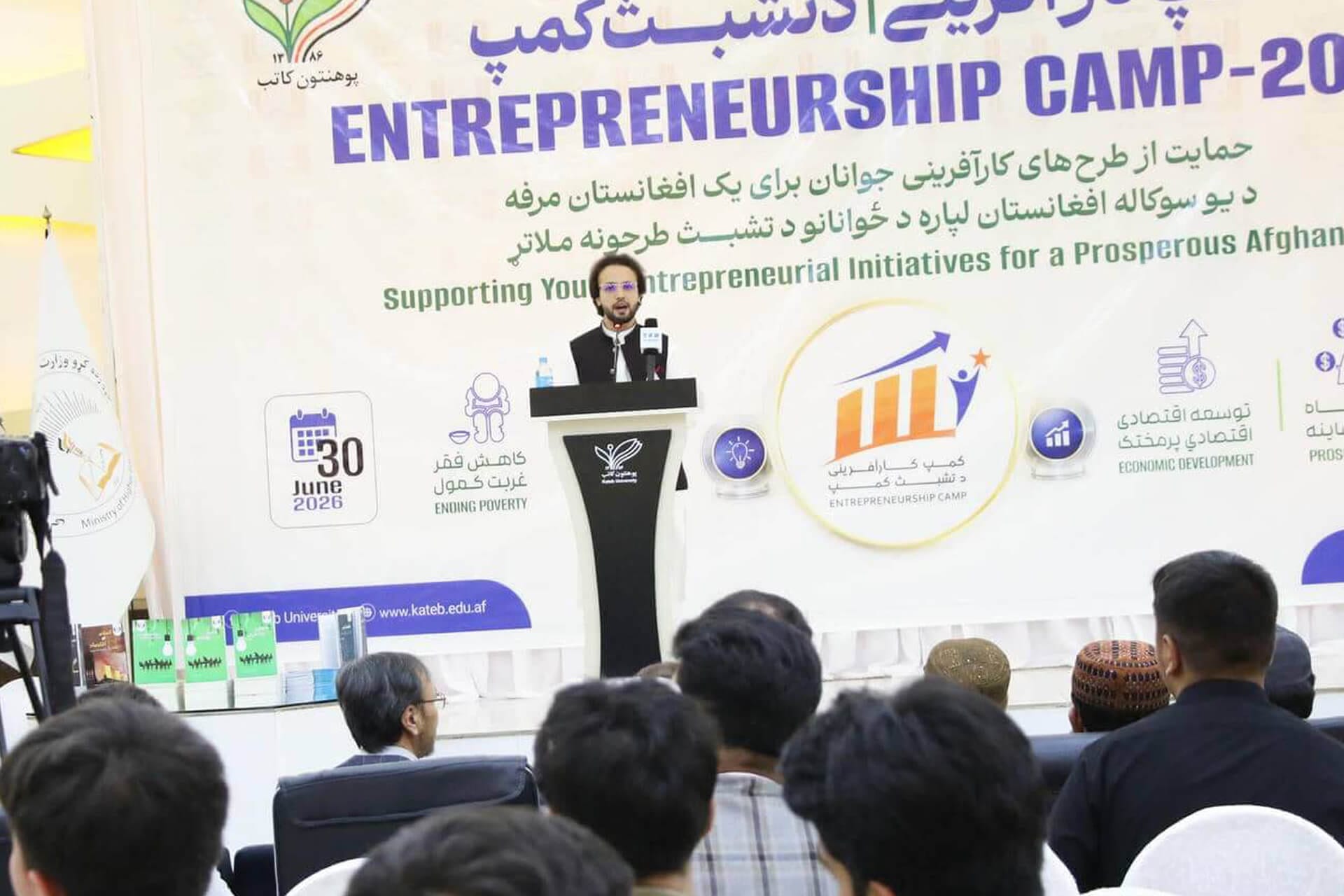
In the concluding session, Mohammad Fahim Karimi, Faculty Member of the Economics Faculty at Kateb University, summarized the achievements of the Entrepreneurship Camp and reaffirmed the importance of continued support for youth entrepreneurship.
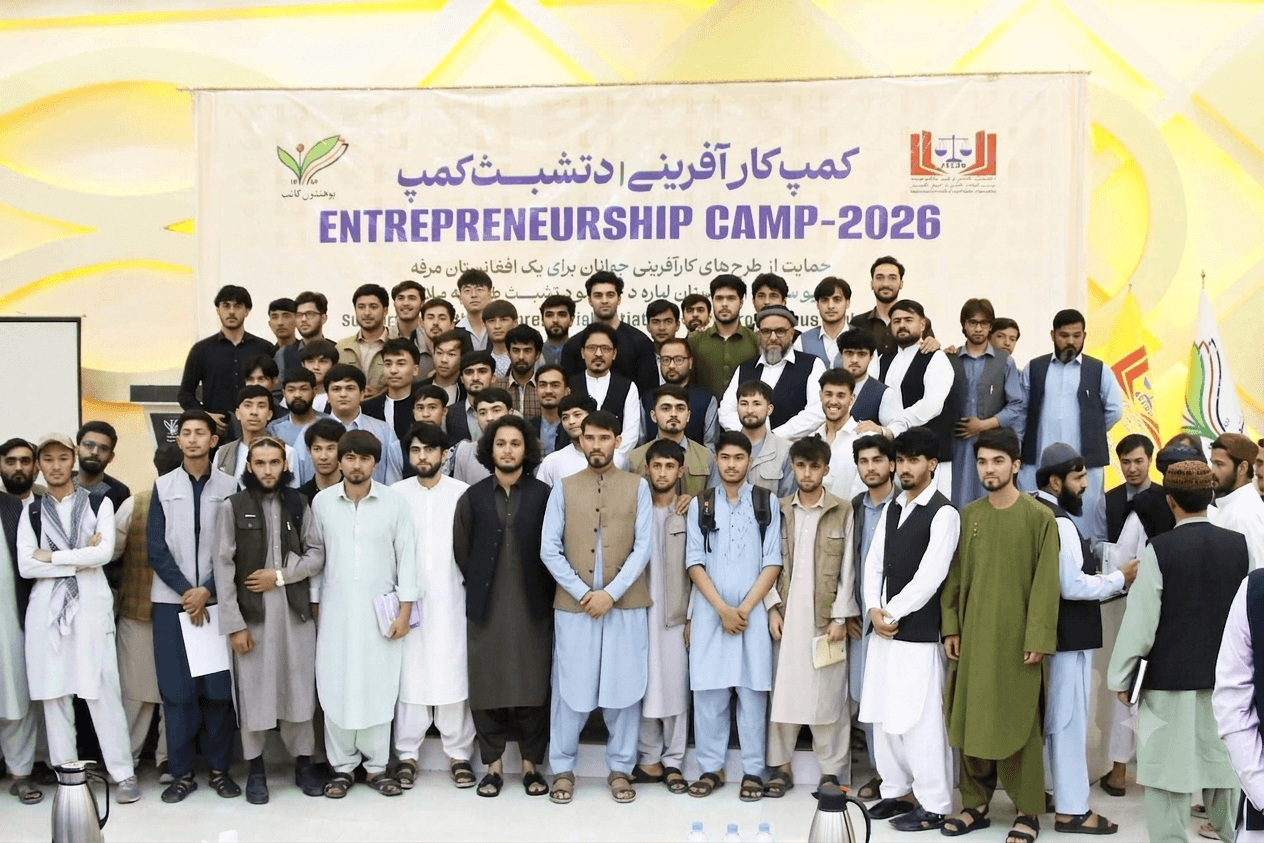
The ceremony concluded with the presenting of appreciation certificates and books to jury members, academic staff, and distinguished guests, followed by certificates of participation for all attendees. The event ended with a group photograph, networking session, and refreshments, marking the successful conclusion of Entrepreneurship Camp 2026.
Entrepreneurship Camp is an initiative of the Afghanistan Economic and Legal Studies Organization (AELSO) implemented in partnership with Kateb University. The program aims to strengthen Afghanistan’s entrepreneurial ecosystem by identifying, mentoring, and supporting innovative young entrepreneurs from across the country, with particular emphasis on empowering women and youth to develop sustainable business solutions that contribute to economic growth, innovation, and poverty reduction.