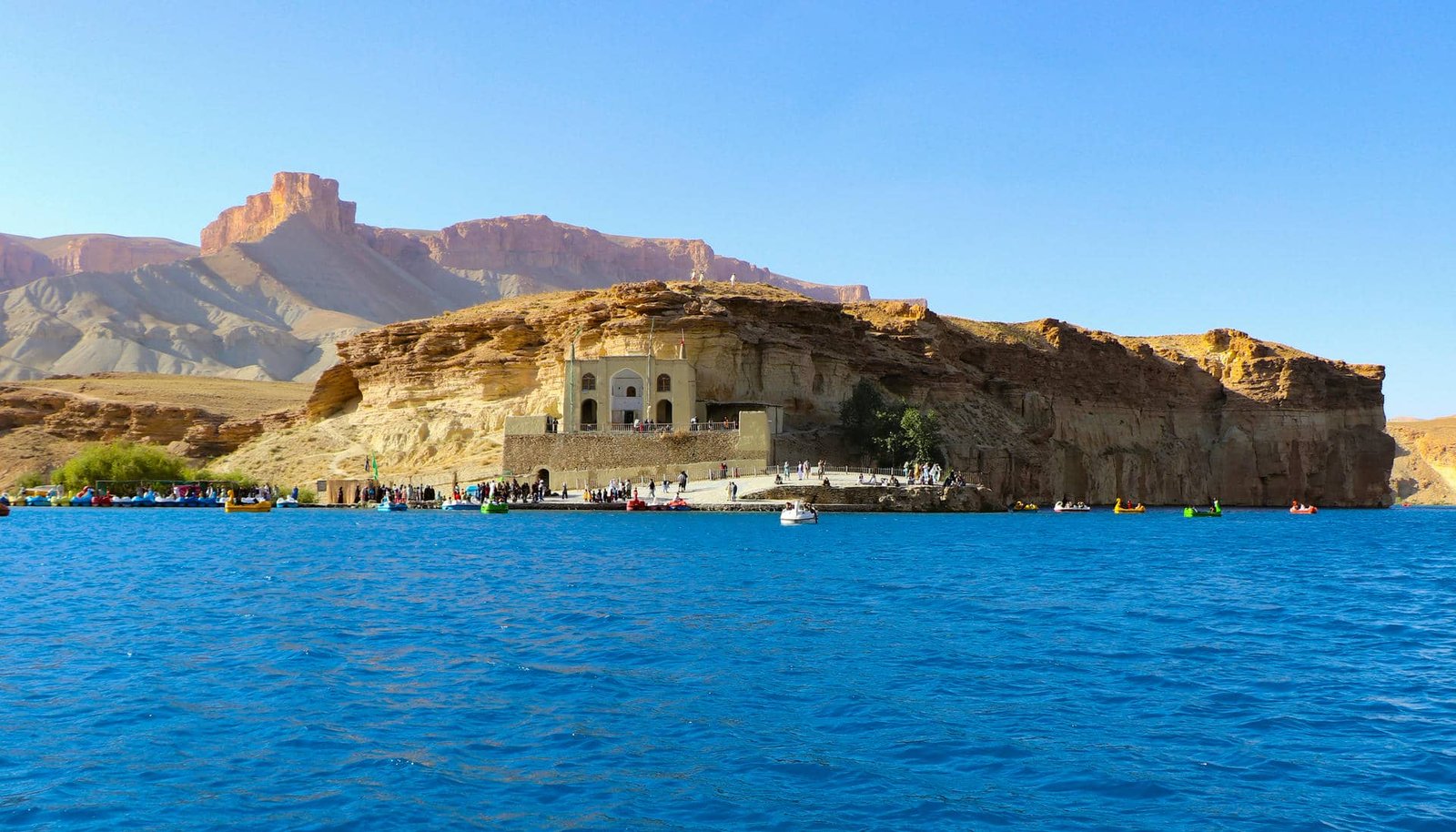
 BAMYAN — The second National Band-i-Amir Exhibition opened in Bamyan province, bringing together producers, traders, investors, government officials and local residents to promote domestic products, expand market opportunities and strengthen private-sector activity.
Organized with the support of the Ministry of Commerce and Industry, the three-day exhibition is being held at Ghulgula Hotel. Nearly 100 stalls are showcasing a range of Afghan products and services, including industrial and commercial goods, handicrafts, carpets, dairy products, detergents and dried fruits.
At the opening ceremony, Bamyan officials emphasized the role of exhibitions in promoting locally produced goods, expanding markets, supporting producers and traders, and strengthening the private sector. The event also provides a platform for producers and businesses to connect directly with traders and consumers.
The exhibition is expected to facilitate greater market visibility for local producers while creating opportunities for business networking and commercial engagement. Its focus on diverse domestic products also highlights the potential for small producers and businesses to reach broader markets.
Economic Outlook: The exhibition demonstrates how local trade events can create opportunities for market access, business networking and promotion of domestic production. Sustaining these opportunities will depend on stronger market linkages, effective marketing, investment, and continued support for producers and private businesses across Afghanistan.
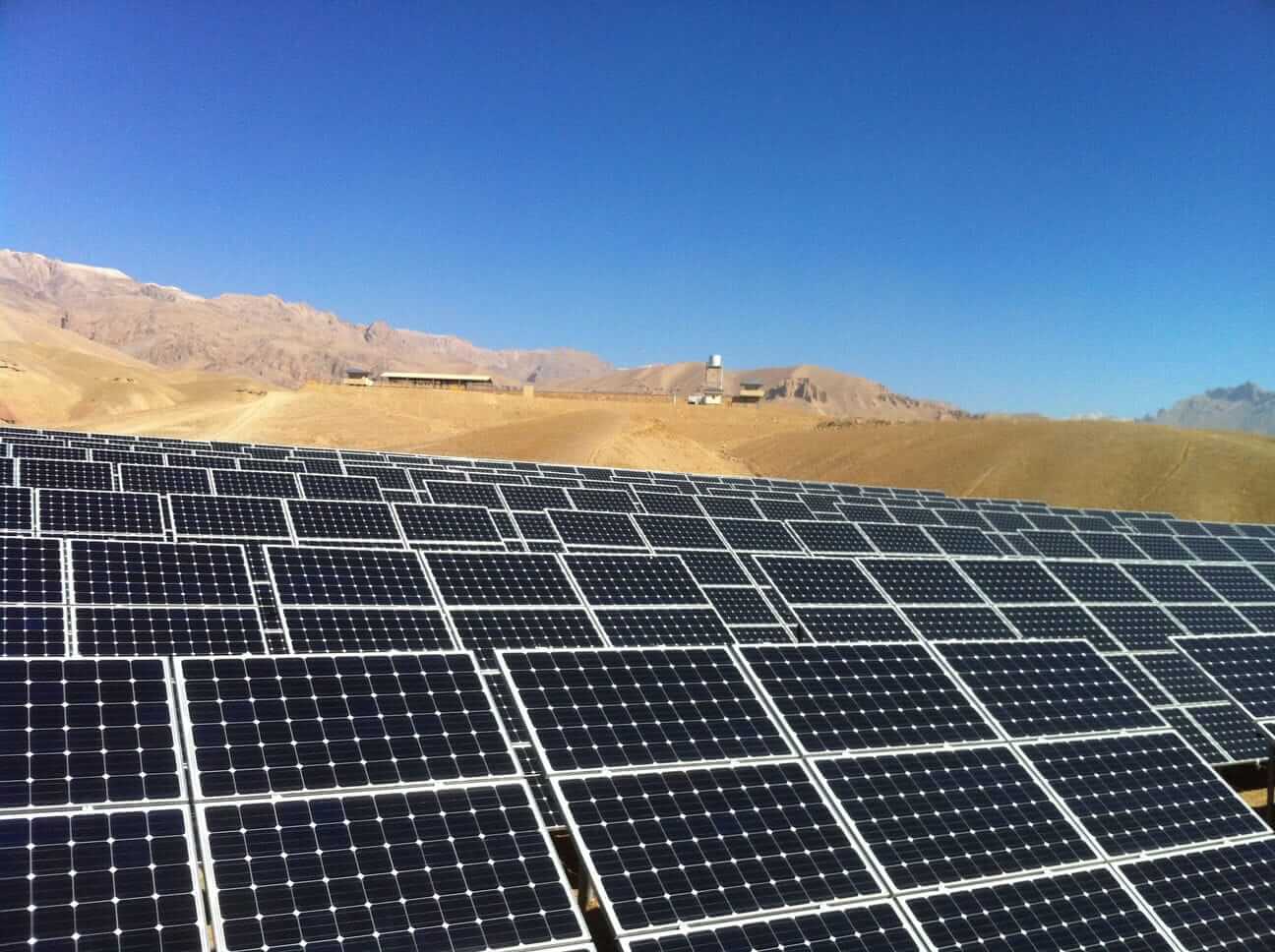 KABUL — More than 20 solar power projects with a combined capacity of 834 megawatts are underway across 11 Afghan provinces, according to Da Afghanistan Breshna Sherkat (DABS). The projects, valued at nearly 8 billion afghanis, are expected to become operational within the next two to three years.
Projects include 100 MW in Parwan, 70 MW in Kabul, and 40 MW each in Logar, Nangarhar and Balkh. DABS says expanding solar generation could reduce Afghanistan’s reliance on imported electricity and improve domestic power supply.
Economic analysts emphasize that investment, transmission infrastructure, electricity-purchase arrangements, and a clear renewable-energy strategy will be important to realizing Afghanistan’s solar potential.
Economic Outlook: Expanding solar power could strengthen energy security, support industrial activity, attract investment, and reduce dependence on imported electricity. Effective planning, infrastructure development, and private-sector investment will be key to turning this potential into sustainable economic benefits.
 KABUL — Saudi Arabia’s Delta Energy Group has signed agreements with Afghanistan’s Ministry of Mines and Petroleum covering hydrocarbon exploration, natural gas utilization in Herat, and a feasibility study for a proposed regional gas pipeline.
The agreements include exploration activities in the Kushk and Tirpul contract area in Herat, covering about 23,317 square kilometers, as well as studies on using natural gas for Herat’s industrial park, the city of Herat and power generation.
A separate agreement will assess the proposed 700-kilometre CentGas “Corridor of Prosperity” pipeline, with Delta Energy estimating potential investment of about $10 billion over 10 years, subject to technical and economic feasibility, financing, regulatory approvals and a final investment decision.
Officials and company representatives said the broader programme could support energy development, industrial activity, employment and regional connectivity. However, future investment and implementation will depend on exploration results, commercial viability, financing and required approvals.
Economic Outlook: The agreements could create opportunities for energy development, industrial growth, investment and regional connectivity. Realizing these benefits will depend on successful exploration, commercial feasibility, financing, infrastructure development and the necessary regulatory approvals.
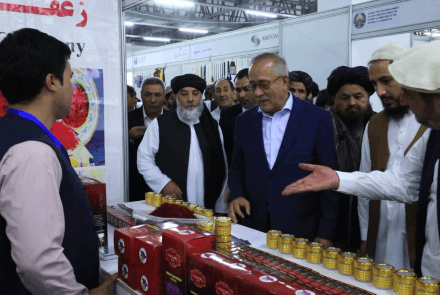 TERMEZ — The first joint exhibition of Afghan and Uzbek light industries opened in Termez, Uzbekistan, bringing together businesses and officials to expand trade, investment and joint production between the two countries.
Nooruddin Azizi, highlighted opportunities in carpets, textiles, clothing, leather, food processing and agricultural products, while noting Uzbekistan’s strengths in technology, machinery, textiles and processing. He called for greater business-to-business engagement to translate the exhibition into trade agreements, joint investment and increased exports.
The exhibition also saw Ghazanfar Bank and Uzbekistan’s UzEx commodity exchange sign a cooperation agreement. Under the arrangement, traders can deposit 10 percent of a purchase’s value initially and pay the remaining 90 percent once the goods are ready.
Economic Outlook: The exhibition could strengthen Afghanistan-Uzbekistan trade, investment and private-sector cooperation, while creating opportunities for joint production and export growth. Expanding business-to-business links and practical trade-financing mechanisms could help turn bilateral economic cooperation into sustained commercial activity.

NEW YORK – Afghanistan’s economic challenges, declining external assistance and the need to strengthen trade and investment were highlighted during a UN Security Council meeting on Afghanistan, with several countries calling for greater economic engagement and support.
UNAMA’s officer-in-charge, Georgette Gagnon, said Afghanistan has maintained a degree of macroeconomic stability but has yet to achieve economic recovery, while per capita income has declined by 5.6%. She also noted that declining foreign assistance and the return of nearly 1.2 million Afghans from Pakistan and Iran are increasing pressure on humanitarian resources.
China called for the resumption of international assistance, the lifting of unilateral sanctions and the release of Afghanistan’s central bank assets held abroad. Russia emphasized strengthening Afghanistan’s trade and economic capacity and expanding engagement with the business community. India and Iran also highlighted the importance of expanding economic and trade cooperation.
Afghanistan’s Ministry of Economy welcomed the positions expressed at the meeting and called for continued international engagement and economic cooperation.
Economic Outlook: The discussions underscore the importance of international assistance, trade, investment and economic engagement for Afghanistan’s recovery. Expanding regional economic cooperation while addressing financing, humanitarian pressures and access to economic resources could create greater opportunities for sustainable economic activity.
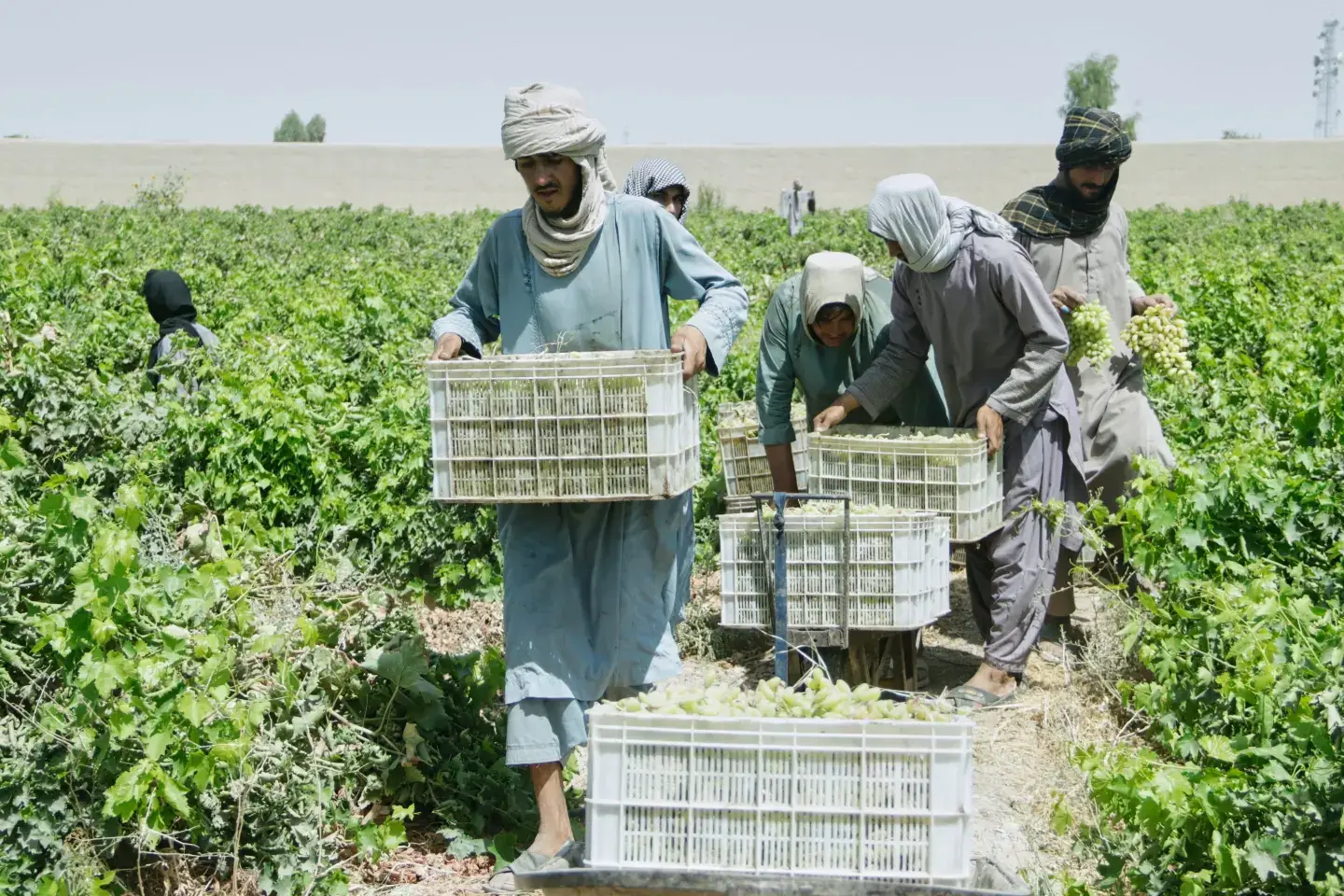 GHAZNI — Grape production in Ghazni province is estimated at around 500,000 metric tonnes this year, a 10% increase from last year, according to the provincial Agriculture Department. However, growers warn that weak markets, limited storage and trade challenges could leave them unable to recover production costs.
Favourable weather has contributed to the stronger harvest after rain, plant diseases and natural disasters affected production in previous years. Growers, however, report a sharp decline in prices and fewer traders purchasing grapes during the harvest season.
Farmers are calling for expanded domestic and international markets, improved export opportunities, and standardized cold-storage and raisin-processing facilities to reduce post-harvest losses. They also highlighted the importance of continued trade through regional markets.
Economic expert Mohammad Farooq Boya said expanding export destinations across the region, Asia and Europe could help reduce dependence on a single market and strengthen the resilience of Afghanistan’s agricultural exports.
Economic Outlook: The larger harvest creates an opportunity to increase agricultural income and exports, but weak market access, limited storage and trade disruptions remain key constraints. Investment in cold storage, processing and diversified export markets could help reduce losses, stabilize prices and improve the value of Afghanistan’s agricultural production.
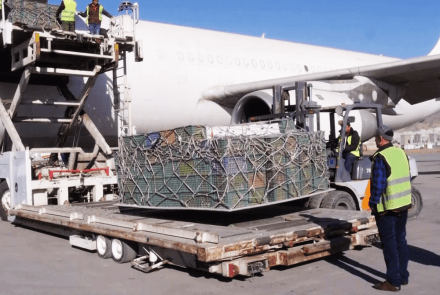 KABUL — Foreign investors from countries including China, Iran, Türkiye, Qatar and Uzbekistan have invested more than $1 billion in Afghanistan over the past five years, according to the Ministry of Industry and Commerce, with investments concentrated in sectors including oil and gas, electricity, mining, cement and food production.
Ministry spokesperson Mohammad Asif Elyas said the investments have created employment opportunities for thousands of people. An Iranian detergent company operating in Kabul and Herat, for example, employs more than 100 people, including women working in packaging, labeling and laboratory operations.
Company officials said they view Afghanistan as an important market and are considering expanding production. Employees also highlighted the importance of continued investment opportunities and support for businesses.
Industry representatives called for improved access to electricity, raw materials and security to support investors and production.
Economic Outlook: Growing foreign investment could support domestic production, employment and industrial development. Sustaining this investment will depend on reliable electricity, access to raw materials, infrastructure, security and a supportive business environment.
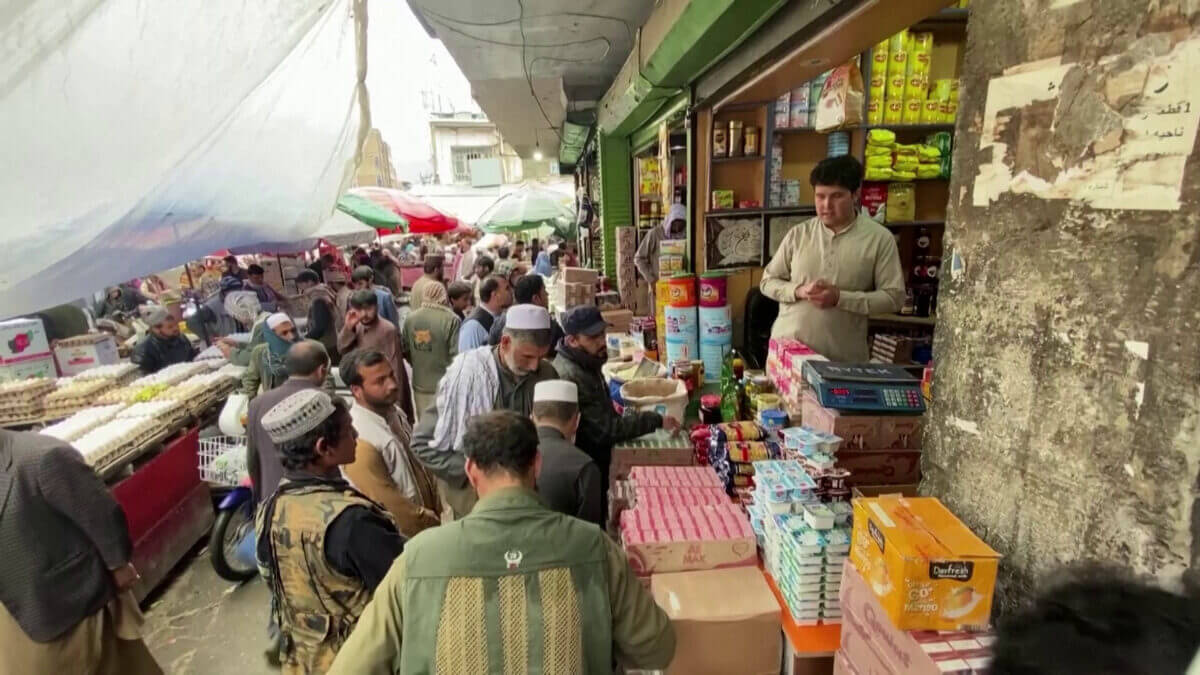 KABUL — The US dollar has declined to around 64.70 afghanis, but prices of essential food items in Kabul remain high, with residents calling for greater price monitoring and stronger consumer relief.
Market prices currently include 1,550 afghanis for a sack of flour, 2,800 afghanis for a sack of rice, 540 afghanis for liquid cooking oil, and 1,930 afghanis for a container of solid cooking oil. Residents say the decline in the exchange rate has yet to translate into lower food prices.
A flour importer attributed prices partly to transportation costs and higher prices in supplier markets, while economic analysts noted that exchange-rate changes may take time to pass through to consumer prices, particularly for imported goods.
Kabul Municipality says it monitors essential-goods prices and takes action against sellers who violate official price lists.
Economic Outlook: A stronger afghani could eventually reduce the cost of imported goods, but the effect depends on transportation costs, international commodity prices, and market conditions. Effective price monitoring and improved supply and distribution systems could help ensure that exchange-rate changes are reflected more clearly in consumer prices.
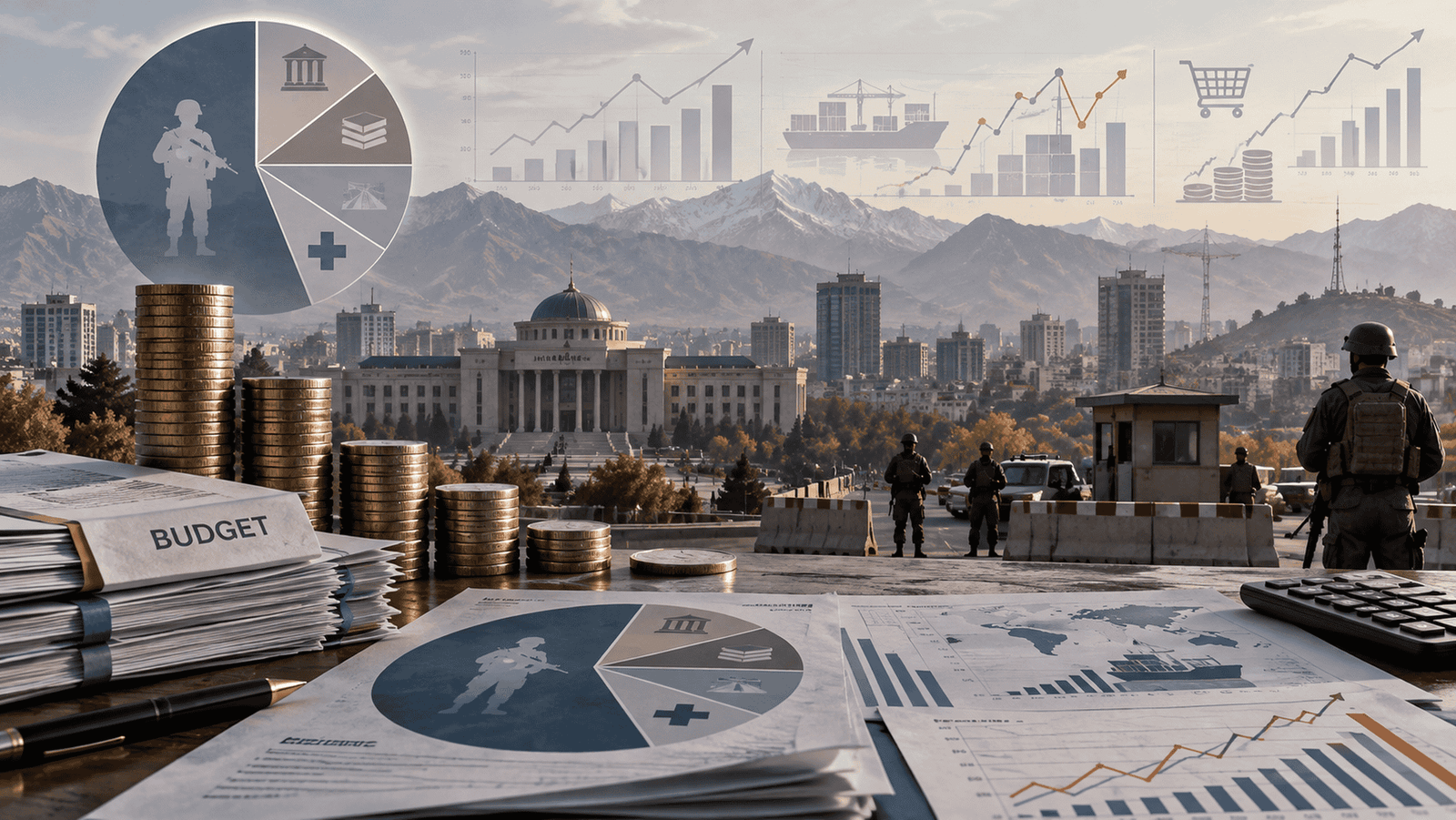 KABUL — Afghanistan’s government spent 113.6 billion afghanis in fiscal year 2026, with 51.4 billion afghanis, or 45%, allocated to security, according to the World Bank’s latest Afghanistan Economic Monitor. Non-security spending reached 62.2 billion afghanis, while the budget deficit stood at 2.1 billion afghanis.
Education received 18.3 billion afghanis, followed by social protection at 10.9 billion, governance at 10.8 billion, infrastructure and natural resources at 9.4 billion, and economy and private-sector programs at 8.1 billion afghanis.
The report also shows continued pressure on Afghanistan’s external trade. In August, exports reached $145.6 million, while imports totaled $1.19 billion, producing a trade deficit of about $1.05 billion. Iran, China and the UAE were the largest sources of imports.
The World Bank noted that trade-route disruptions, declining foreign aid and large-scale migrant returns are putting pressure on economic activity, employment and public services. At the same time, annual inflation declined to 6.7%, while the afghani appreciated by 1.1% against the US dollar.
Economic Outlook: The figures highlight the need to balance public spending priorities with economic development and revenue generation. Expanding domestic production, diversifying trade routes, strengthening exports and increasing productive investment could help reduce external vulnerabilities and create a stronger economic base for financing public services.
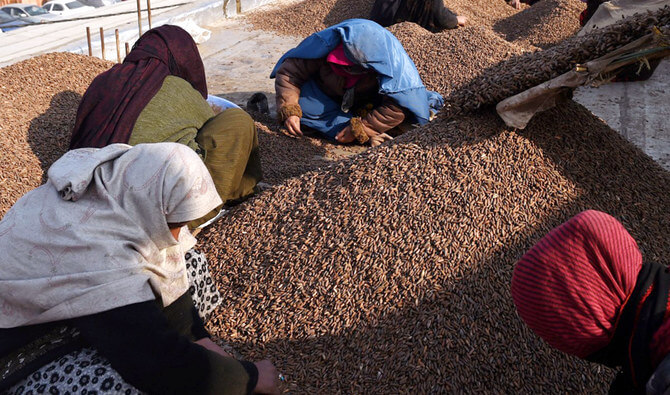 KHOST — Afghanistan’s black pine nut harvest in Khost is expected to nearly double this year, reaching an estimated 120,000–130,000 sacks, compared with 50,000–70,000 sacks last year. However, traders say limited and costly export routes are restricting access to international markets.
Pine nuts are currently selling for around 700–1,000 afghanis per kilogram, depending on quality. Traders say disruptions to routes through Pakistan have forced exporters to use longer and more expensive routes through Uzbekistan, Dubai and China, making Afghan pine nuts less competitive with supplies from Pakistan.
The harvest is also providing temporary employment and income for local workers during the processing season. Traders and residents are calling for additional export routes and lower air-freight costs to expand access to international markets.
Economic Outlook: The larger harvest presents an opportunity to increase agricultural exports, rural incomes and employment, but high transport costs and limited market access remain major constraints. Expanding export routes, reducing logistics costs and diversifying international markets could improve the competitiveness and export value of Afghanistan’s pine nuts.