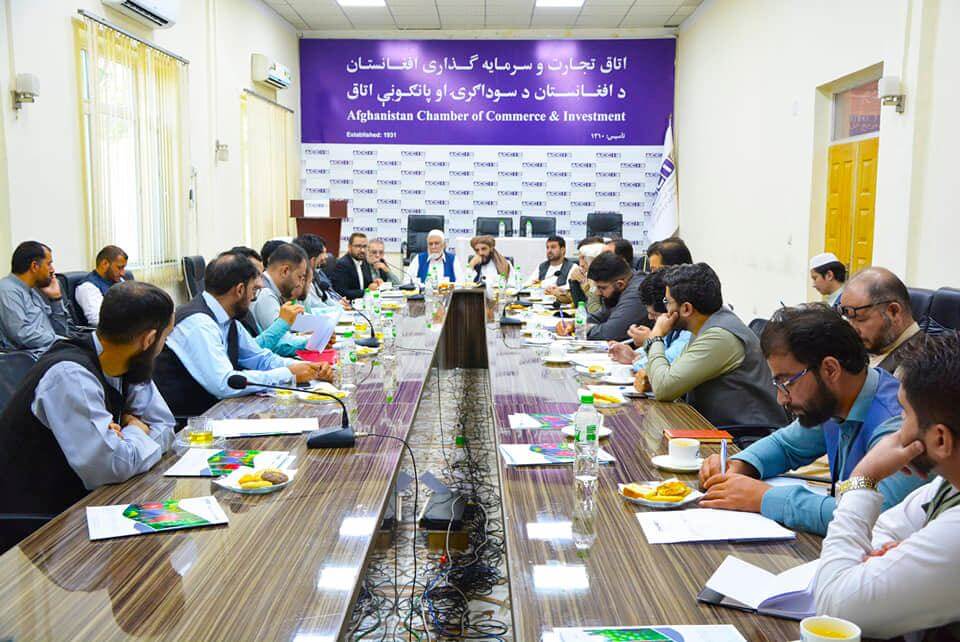
 KABUL — The Afghanistan Chamber of Commerce and Investment (ACCI) held its second “Think Tank” session, bringing together academics, economic experts and business representatives to discuss strategies for strengthening Afghanistan’s economy.
Participants focused on developing evidence-based recommendations to support investment, domestic production, exports and employment. ACCI President Sayed Karim Hashemi stressed the need for greater economic self-sufficiency, sound planning, good governance and effective use of national resources.
Participants also proposed turning the forum into a permanent platform for developing economic solutions. Economic analyst Janat Fahim Chakari identified industry, trade, finance, energy and banking as key areas requiring greater policy attention.
The ACCI said recommendations from the session will be compiled into a strategic document and submitted to relevant authorities.
Economic Outlook: The initiative highlights growing attention to the need for a coordinated economic strategy in Afghanistan. Strengthening productive sectors, improving access to finance and expanding trade could support private-sector development and employment. However, the effectiveness of such recommendations will depend on their translation into practical policies, institutional capacity and consistent implementation.
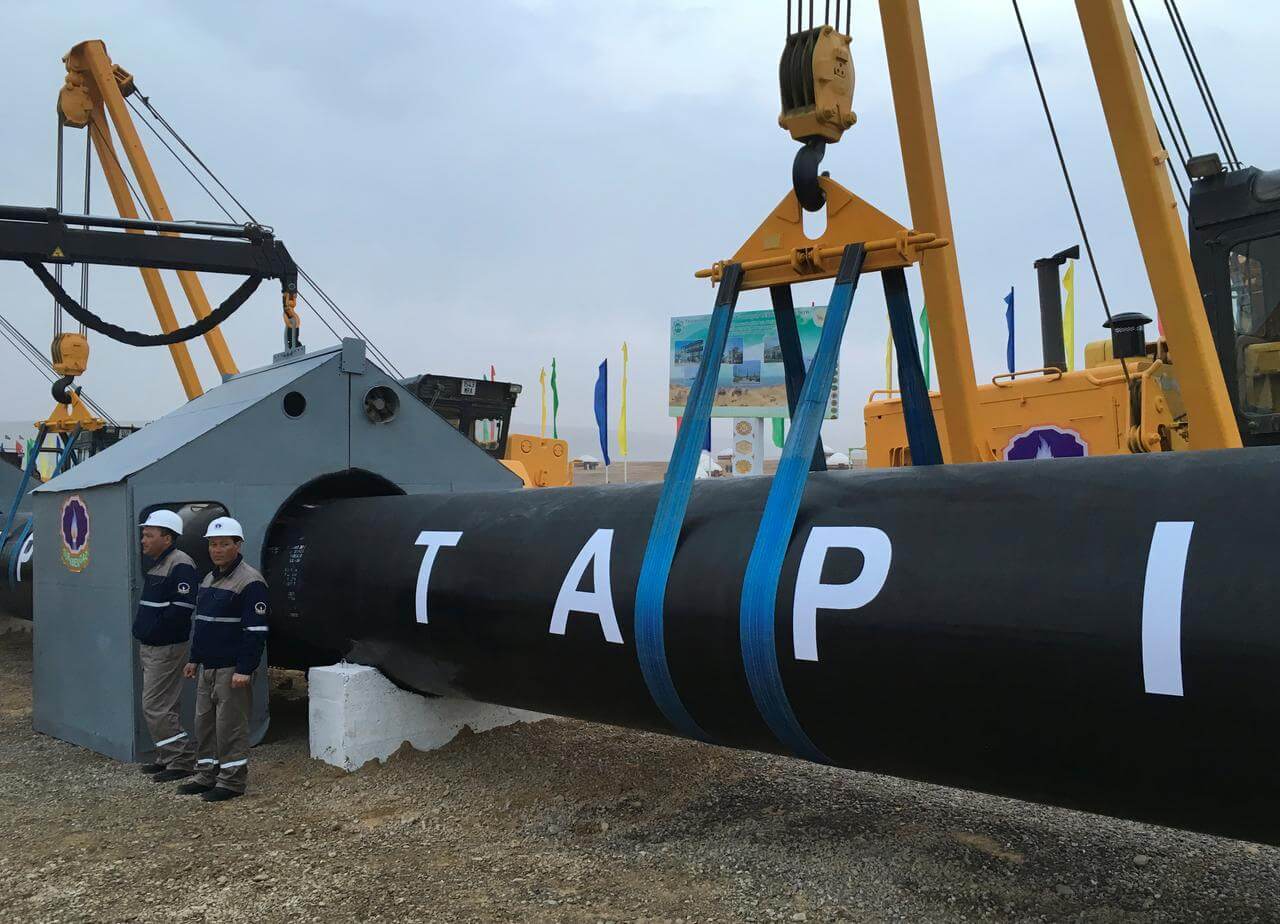 KABUL — Turkmenistan has reaffirmed its commitment to accelerating the Turkmenistan-Afghanistan-Pakistan-India (TAPI) gas pipeline project, while construction continues along the Torghundi–Herat section in western Afghanistan.
Turkmenistan’s state-owned Turkmennebit said officials reviewed progress on the Serhetabat–Herat section and called for construction to proceed in line with international standards.
Afghanistan’s Ministry of Mines and Petroleum said 125 kilometers of the 153-kilometer Torghundi–Herat route have been prepared, with 116 kilometers of pipeline installed and 117 kilometers of an accompanying monitoring road completed. The project has so far employed 595 Afghans, while discussions are underway with investors on financing future gas distribution networks.
Officials said cooperation between Afghanistan and Turkmenistan on the project remains uninterrupted and that pipeline installation in Herat is expected to be completed by winter.
Economic Outlook: Progress on TAPI could strengthen Afghanistan’s position as a regional energy transit corridor while generating employment, transit revenues and opportunities for domestic energy distribution. The project’s broader economic impact, however, will depend on completing the pipeline across Afghanistan and ensuring the financing, security and infrastructure needed to connect the gas network to consumers and regional markets.
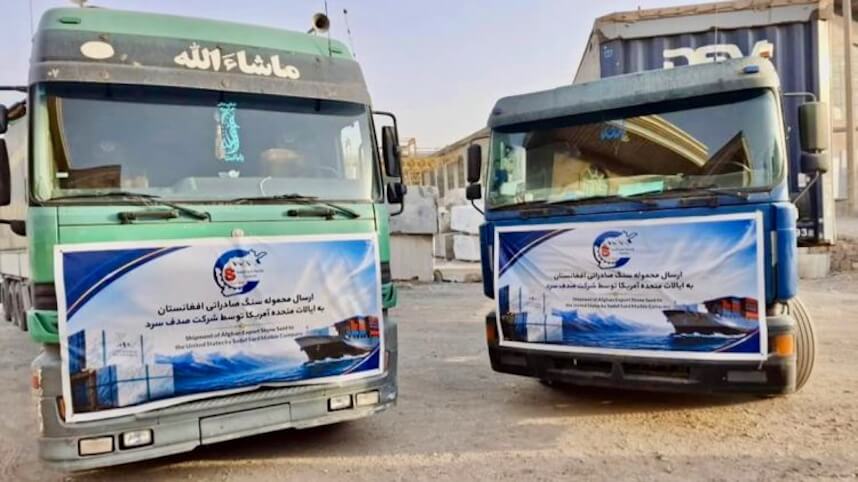 KABUL — Afghanistan has exported its first shipment of natural stone to the United States in a transaction valued at $100,000, according to industry officials.
The shipment, consisting of black stone extracted from the Zindajan mine in Herat province, was exported by a private Afghan company with coordination from the Herat Chamber of Industries.
Industry representatives said the shipment reflects efforts by Afghan businesses to access new international markets and expand exports of locally sourced mineral products. Herat, a major commercial and industrial center, has been an important location for the country’s mining and stone-processing activities.
The export is part of broader efforts to increase Afghanistan’s exports and expand the range of products sold in international markets.
Economic Outlook: The shipment provides an example of Afghanistan’s efforts to diversify its export products and reach markets beyond traditional trading partners. The longer-term economic significance will depend on whether similar exports can be sustained and expanded. Factors such as production capacity, product quality, international standards, transportation costs, market access and the regulatory environment will influence the sector’s ability to compete in overseas markets.
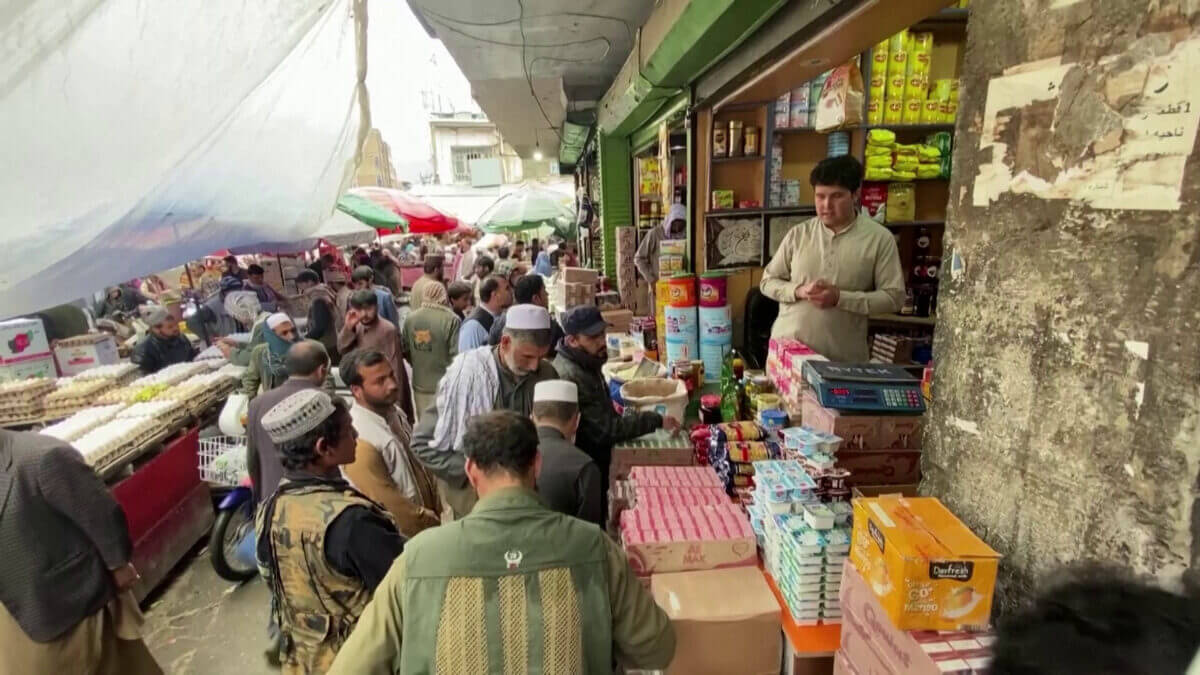 KABUL — Afghanistan’s economy has undergone notable changes over the past five years, with authorities emphasizing domestic revenue, trade, industrial production, mining and infrastructure development. At the same time, the economy has continued to face constraints linked to declining foreign assistance, limited investment, banking challenges and restricted international economic engagement.
Afghanistan has expanded trade with more than 100 countries, with total trade reported at nearly $14 billion. Iran, Uzbekistan, India, China and other Central Asian countries have emerged as important trading partners, while trade with Pakistan has faced disruptions amid political tensions.
The industrial sector has also expanded, with more than 6,500 manufacturing factories reported and investment of about 1.01 billion afghanis recorded over the period. Officials have also highlighted the expansion of domestic exports, with around 250 types of goods reportedly reaching international markets.
Infrastructure and regional connectivity projects have remained another area of focus. Work on projects including TAPI and CASA-1000 has continued, while the Qosh Tepa Canal has progressed and the Trans-Afghan Railway remains under study and planning.
The mining sector has attracted substantial attention, with the Ministry of Mines and Petroleum reporting 305 mining contracts signed with domestic and foreign companies. Reported investment includes more than $8 billion in large-scale mining projects and 18 billion afghanis in small-scale mining.
Despite these developments, employment and household economic conditions remain areas of concern. Some citizens continue to report limited job opportunities, particularly for young people, while poverty and humanitarian needs remain significant.
Afghanistan also continues to face external financial constraints. Reduced foreign assistance, challenges in the banking sector and restrictions affecting international economic relations have limited the economy’s access to external financing and investment.
According to the United Nations, millions of Afghans continue to require humanitarian assistance. The scale of humanitarian needs, alongside limited employment opportunities, remains an important indicator of the gap between aggregate economic activity and improvements in household prosperity.
Economic Outlook: Afghanistan’s economic performance over the past five years presents a mixed picture. Growth in trade, manufacturing, mining and infrastructure activity indicates continued economic activity and some expansion of domestic capacity, while persistent unemployment, poverty, limited investment and humanitarian needs point to broader structural constraints. The key issue for the coming period will be whether increased production and investment can generate sustained employment, raise household incomes and translate into broader improvements in living standards. This will depend in part on domestic economic policies, private-sector development, access to finance and the country’s ability to strengthen international economic and trade links.
 BAMYAN — Some young people in Bamyan province are turning to small businesses and self-employment as limited job opportunities make it difficult to enter the formal workforce.
Young entrepreneurs have invested their savings in businesses including dental clinics, pharmacies and service centers. Some have also formed partnerships to share capital and establish businesses.
Alireza, a Bamyan resident, said he opened a dental clinic with limited capital about a year ago and has gradually increased his customer base. He said the business now provides an income that helps support his family.
Mohammad Hussain, a Bamyan University graduate, said he opened a pharmacy and an artificial intelligence center after being unable to find other employment opportunities. Others have similarly pursued joint businesses as an alternative source of income.
The young entrepreneurs said greater support for small businesses could help expand self-employment and create additional opportunities for young people.
Economic Outlook: The shift toward small-scale entrepreneurship highlights the role of self-employment in absorbing some workers when formal job opportunities are limited. However, the capacity of such businesses to generate sustainable employment will depend on access to finance, market demand, business skills and a predictable operating environment. Expanding support for viable small enterprises could contribute to local income generation, although self-employment alone is unlikely to address broader employment challenges.
 KABUL — More than a century after Afghanistan gained political independence in 1919, debates over economic self-reliance, domestic production and external dependence remain relevant to the country’s economic policy discussions.
Following independence, King Amanullah Khan introduced a series of financial and economic reforms aimed at strengthening the state’s economic institutions. These included replacing some taxes paid in kind with cash payments, removing internal customs duties, establishing a government budget, introducing the Afghani as the national currency and taking steps toward establishing a national bank.
His government also promoted domestic production and sought to reduce reliance on imported goods, while investing in agriculture, roads, bridges and transportation infrastructure.
Economic experts regard these measures as early efforts to establish a more organized financial system and strengthen domestic economic capacity. Sayed Masoud said the government placed particular emphasis on developing domestic production and establishing a national monetary system. Abdul Nasir Reshtia also highlighted efforts during the period to develop financial institutions, infrastructure and domestic industries.
The reforms faced significant implementation challenges. Khan Jan Alokozay, a former member of the Chamber of Commerce and Investment’s board of directors, said limited financial resources and unfavorable social and intellectual conditions contributed to delays in implementing some of the government’s economic programs.
Today, increasing domestic production, expanding exports, attracting investment and reducing economic dependence remain central themes in discussions about Afghanistan’s economic development.
Economic Outlook: The experience of the Amanullah Khan era illustrates that economic independence involves more than establishing financial institutions or increasing domestic production; it also requires adequate resources, institutional capacity and conditions that allow reforms to be implemented effectively. While Afghanistan’s economic circumstances today differ considerably from those of a century ago, the continued focus on production, trade, investment and financial institutions reflects the persistence of similar structural questions surrounding economic self-reliance.
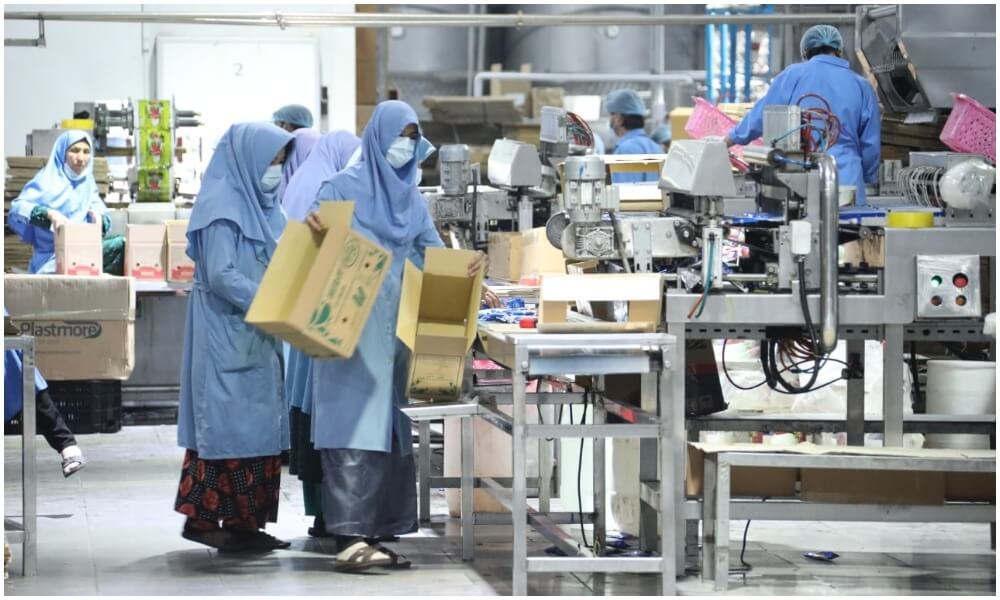 KABUL — Eighty-nine traders and industrialists have invested $68 million in Afghanistan over the past two years, according to officials, with the projects directly creating more than 4,000 jobs.
Hamdullah Fitrat, deputy spokesperson for the de facto authorities, said the investors include one large-scale, 74 medium-scale and 14 small-scale investors. A total of 288 jeribs of land has reportedly been allocated to them in industrial parks across the country.
Fitrat said investors received government facilities and support to establish or expand their businesses. He added that the documents of 15 additional traders and investors are currently under review and that they could receive similar facilities after completing the required procedures.
Economic Outlook: The reported investment indicates continued private-sector activity and capital formation in Afghanistan, while the reported employment figures suggest some contribution to job creation. However, the broader economic impact will depend on the sustainability and scale of these investments, their contribution to domestic production and exports, and the extent to which new businesses can operate within a stable regulatory and financial environment.
 A three-day gold and jewelry exhibition kicked off in Afghanistan’s capital Kabul on Tuesday, drawing together the country’s craftsmen, investors, and merchants xhtxs.cn/beuw
KABUL — Afghanistan has opened its first jewelry industry exhibition in Kabul, bringing together domestic producers to showcase locally made gold jewelry and promote the development of the sector.
The three-day exhibition features 26 booths and aims to support domestic production, expand markets and encourage investment in the jewelry industry, according to the Ministry of Industry and Commerce.
Azizi said the sector could become more self-sufficient through improved equipment, technical training and the development of Afghan jewelry designs. Representatives of the Afghanistan Jewelers Union also called for greater access to modern machinery, investment and export opportunities.
Exhibitors said increased support could help the industry reduce reliance on imported jewelry and gradually expand into foreign markets. Afghanistan has deposits of precious and semi-precious minerals, including gold, in provinces such as Takhar, Badakhshan, Panjshir and Nuristan.
Economic Outlook: The jewelry industry has potential to add value to Afghanistan’s mineral resources by linking extraction with domestic processing and manufacturing. However, expanding the sector beyond the domestic market will depend on access to modern technology, skilled labor, investment, quality standards and reliable export channels. Greater domestic production could reduce imports, but sustained export growth would require Afghan jewelry producers to compete effectively in international markets.
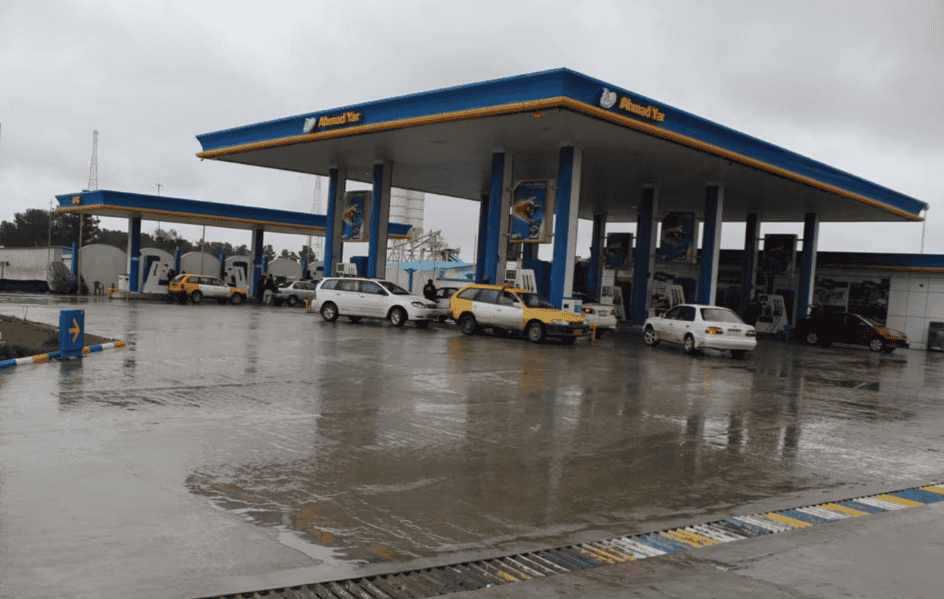 KABUL — Petrol, diesel and liquefied petroleum gas (LPG) prices have increased in Kabul in recent weeks, adding pressure on consumers and transport operators.
Petrol rose from 66 Afghani per liter on June 28 to 87 Afghani, an increase of 31.8%. Diesel increased from 65 to 79 Afghani per liter, while LPG rose from 56 to 66 Afghani per kilogram, an increase of nearly 18%.
In the latest weekly increase, petrol rose by 7 Afghani per liter, from 80 to 87 Afghani, while diesel increased by 4 Afghani, from 75 to 79 Afghani.
Drivers and residents have called for greater market oversight, while economic analyst Ramesh Ayar said fuel prices are largely determined by market conditions and the pricing decisions of importers and traders. Officials have not yet provided an explanation for the recent increases.
Economic Outlook: Sustained increases in fuel prices could raise transportation and distribution costs and place additional pressure on household and business expenses. Afghanistan’s reliance on imported fuel means domestic prices can be affected by international oil prices, exchange-rate movements, transportation costs and import conditions. The extent to which these increases feed into broader consumer prices will depend on how long the upward trend continues and how much of the additional cost is passed on to consumers.
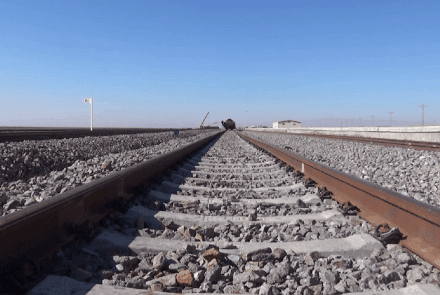 KABUL — Afghanistan’s Ministry of Public Works says survey and design work is underway for 1,537 kilometers of railway lines across five proposed routes, as part of efforts to expand the country’s rail network and strengthen regional connectivity.
The planned routes include Torghundi–Herat, Herat–Kandahar, Kandahar–Spin Boldak, Kabul–Kandahar and Andkhoy–Sheberghan. The ministry said it is exploring financing from domestic sources, commercial banks, foreign partners and private investors.
Officials and economic analysts said expanded railway infrastructure could lower freight costs, support trade and improve Afghanistan’s connections with regional markets. Afghanistan currently has about 400 kilometers of operational railway lines linking the country with Uzbekistan, Turkmenistan and Iran through routes including Hairatan, Aqina, Torghundi and Khaf–Herat.
Economic Outlook: Expanding the railway network could improve the efficiency of domestic and regional freight transport and strengthen Afghanistan’s role in regional trade. However, the economic benefits will depend on securing long-term financing, completing construction, maintaining infrastructure and ensuring reliable cross-border connections. Given the scale of the proposed network, implementation and financing remain key factors in determining its eventual economic impact.