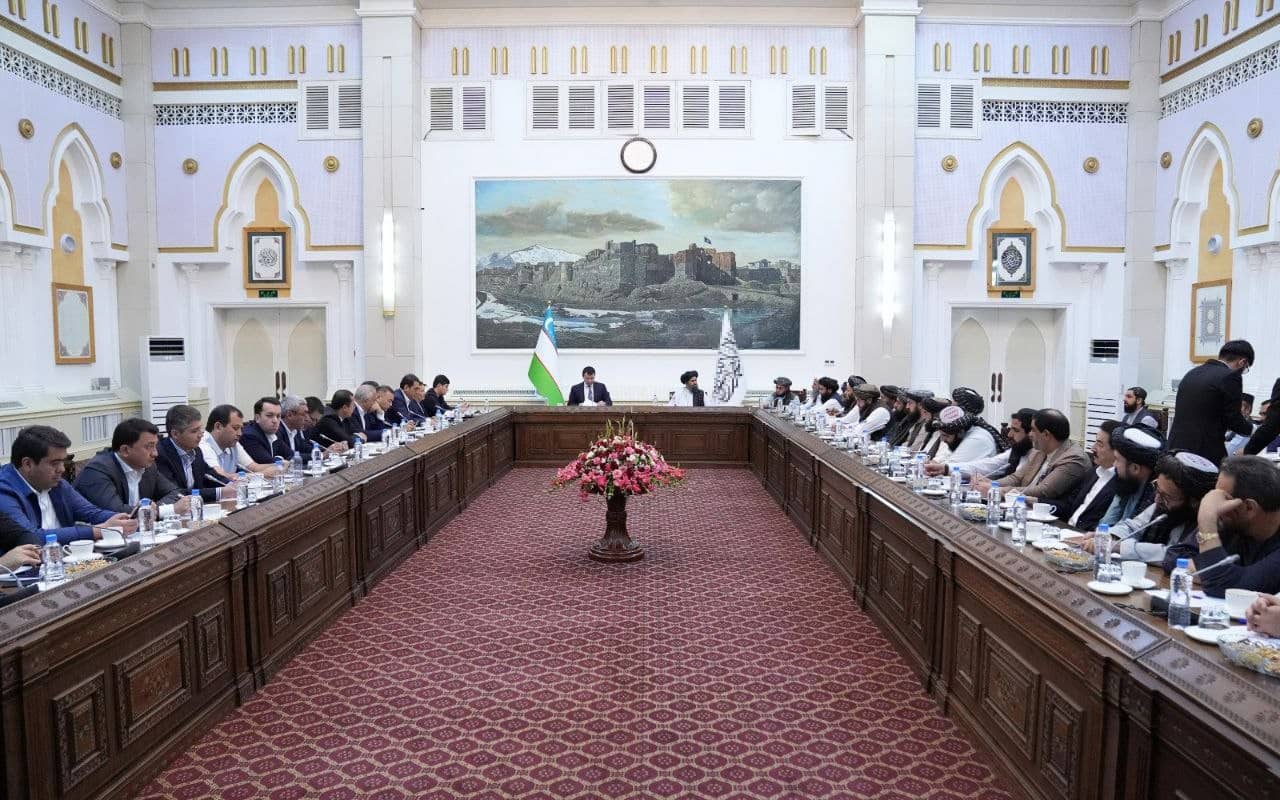
 Economic cooperation between Afghanistan and Uzbekistan has continued to expand in recent years, with both countries strengthening collaboration across trade, investment, transit, energy, and regional infrastructure. According to Afghanistan’s Ministry of Industry and Commerce, bilateral trade reached nearly US$1.2 billion during the past year, reflecting growing commercial engagement between the two neighboring countries. The ministry also reported that Uzbekistan ranked as Afghanistan’s third-largest export destination, with Afghan exports valued at approximately US$151 million, underscoring the increasing importance of Central Asian markets for Afghan products.
Officials from the Ministry of Industry and Commerce highlighted the positive impact of expanding economic cooperation with Central Asia on Afghanistan’s private sector. The ministry noted that enhanced trade relations have created new opportunities for traders, industrialists, and producers while reaffirming its commitment to facilitating greater regional economic integration through improved commercial policies and business-friendly conditions. These efforts align with broader initiatives aimed at strengthening Afghanistan’s economic ties with neighboring countries and diversifying its export markets.
The Afghanistan Chamber of Commerce and Investment (ACCI) reported that more than 13 Uzbek trade and economic delegations visited Afghanistan during the first seven months of the current year, reflecting growing confidence in bilateral commercial relations. During this period, private sector representatives from both countries signed approximately 290 trade agreements and memorandums of understanding (MoUs) valued at around US$4 billion. The agreements span a wide range of sectors, including construction, poultry production, cement manufacturing, food processing, coal, textiles, pharmaceuticals, and industrial development. According to the Chamber, the long-term objective is to increase bilateral trade to US$5 billion, supported by continued private sector engagement and expanded investment opportunities.
Beyond commercial exchange, Afghanistan and Uzbekistan are advancing cooperation on several strategic regional infrastructure initiatives designed to improve connectivity and facilitate trade. Key projects include the Surkhan–Pul-e-Khumri electricity transmission line, railway cooperation through the proposed Trans-Afghan Railway, the expansion of regional transit routes, and the development of new trade corridors linking Central and South Asia. In addition, both countries are seeking to strengthen collaboration in agriculture, mining, manufacturing, and investment, reflecting a shared commitment to promoting regional economic integration and sustainable development.
Analysis:
The strengthening economic partnership between Afghanistan and Uzbekistan reflects a broader shift toward regional economic integration driven by trade, infrastructure, and private sector cooperation. Central Asian markets have become increasingly important for Afghanistan’s export diversification and access to regional supply chains. While the de facto authorities have prioritized expanding economic relations with neighboring countries, the long-term success of these initiatives will depend on improving the business environment, ensuring predictable trade policies, attracting sustainable investment, and advancing regional connectivity projects. If fully implemented, the proposed trade agreements and infrastructure initiatives could significantly enhance Afghanistan’s role as a regional transit hub, stimulate private sector growth, create employment opportunities, and contribute to greater economic resilience through closer integration with Central Asian economies.
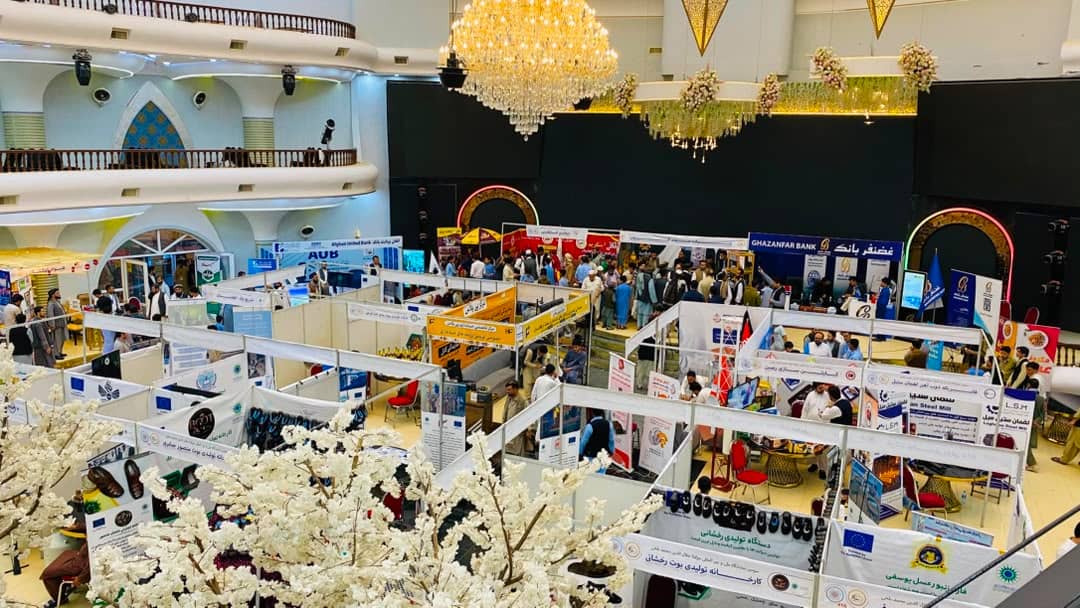 The Ministry of Commerce and Industry officially inaugurated the Third Mawlana Jalaluddin Mohammad Balkhi Exhibition in Mazar-e-Sharif, Balkh Province, with the objective of promoting Afghan-made products, supporting domestic industries, and encouraging investment across the country. Organized by Masih Mohammadi Exhibition Services Company in collaboration with the Ministry, the three-day exhibition is being held from 11 to 13 July 2026 and features 170 exhibition booths representing a broad range of Afghan industries and production sectors.
The exhibition provides a strategic platform for producers, entrepreneurs, and investors to showcase the quality and diversity of Afghan products, establish new business partnerships, and expand market access. It also reflects the government’s ongoing efforts to foster private sector development, enhance the competitiveness of domestic industries, and reduce reliance on imported goods through the promotion of local production.
Analysis:
The Third Mawlana Jalaluddin Mohammad Balkhi Exhibition represents an important step toward strengthening Afghanistan’s domestic economy by connecting producers, investors, and consumers within a single commercial platform. Such exhibitions not only increase the visibility and market competitiveness of Afghan products but also encourage investment, innovation, and business collaboration. If complemented by supportive industrial policies, improved access to finance, and expanded regional trade opportunities, initiatives of this nature can play a significant role in enhancing industrial productivity, generating employment, and promoting sustainable economic development across Afghanistan.
 Herat Province has emerged as one of Afghanistan’s leading centers for decorative stone production, with 45 processing factories operating in the Herat Industrial Park to meet domestic demand while expanding exports to regional and international markets. According to the Herat Chamber of Industries and Mines, the province’s stone industry has achieved self-sufficiency in supplying the local market and is exporting processed decorative stones to Turkmenistan, several Arab countries, and other regional destinations. Backed by millions of dollars in private investment, the sector has experienced significant growth in extraction, processing, and value-added production, contributing to increased exports and the creation of sustainable employment opportunities.
Industry leaders highlighted the sector’s growing competitiveness and adherence to international production standards. Mohammad Naser Amin, Head of the Herat Chamber of Industries and Mines, noted that continuous investment has strengthened the industry’s production capacity and export performance. Akram Najibi, owner of a decorative stone manufacturing company, explained that locally extracted stones undergo advanced cutting, polishing, design, processing, and packaging before reaching domestic and international markets. He emphasized that Afghan marble and travertine products are manufactured in accordance with international quality standards and are capable of competing with products from Europe and the United States. Among the industry’s most in-demand products, marble and travertine continue to dominate both domestic construction projects and export markets.
Exporters and industry experts also underscored the broader economic significance of the sector. Haji Abdul Khaliq Rashid, a decorative stone trader, observed that exports of processed Afghan stone have increased steadily in recent years, reflecting growing regional demand for Herat’s high-quality products. Meanwhile, Mohammad Rafi, an employee at one of the processing facilities, stated that the expansion of the industry has generated employment opportunities for hundreds of young Afghans, enabling many to secure livelihoods within the country rather than seeking work abroad. He called for greater investment in the sector to further expand production capacity and employment.
Mining expert Engineer Juma Khan Adil emphasized that Afghanistan possesses substantial reserves of valuable decorative stones, including marble, travertine, and granite, and stressed that domestic processing is essential for maximizing their economic value. He noted that transforming raw stone into finished products through cutting, polishing, and manufacturing significantly increases export earnings while creating thousands of skilled jobs. According to Adil, continued investment in mining, modern processing facilities, infrastructure development, and expanded access to international markets could position Afghanistan’s stone industry as one of the country’s most important engines of industrialization and sustainable economic development.
Analysis:
The continued expansion of Herat’s decorative stone industry demonstrates the economic potential of Afghanistan’s value-added manufacturing sector. Rather than relying on the export of raw mineral resources, domestic processing enables the country to capture higher economic returns, stimulate industrial development, and generate skilled employment. The sector also strengthens Afghanistan’s export diversification by supplying competitive products to regional markets while reducing dependence on imports. Sustained investment in modern technology, logistics infrastructure, workforce development, and international market access will be critical to enhancing the global competitiveness of Afghan stone products and establishing the industry as a strategic pillar of long-term economic growth, export expansion, and private sector development.
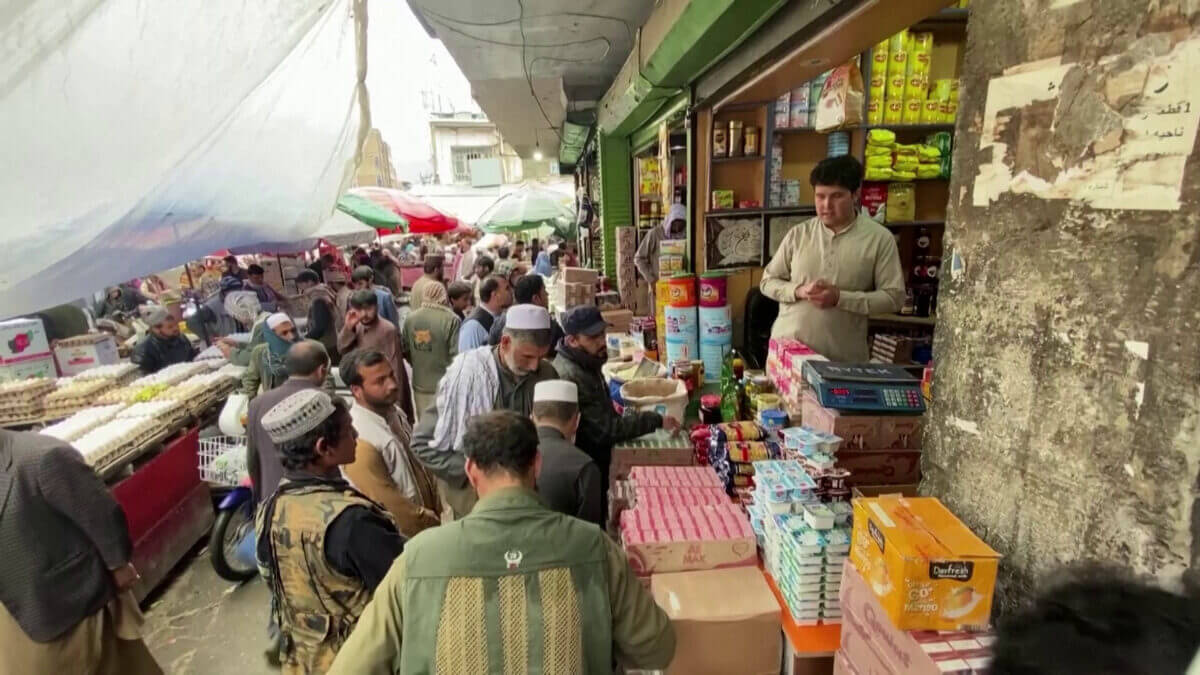 A sharp increase in the prices of essential commodities over the past month has placed additional financial pressure on households across Kabul, highlighting growing concerns over inflation, market stability, and consumer purchasing power. A recent market survey indicates that the prices of key household necessities—including cooking oil, flour, sugar, gasoline, and liquefied petroleum gas (LPG)—have risen substantially, with increases ranging from 6.7 percent to more than 60 percent. The cost of a 16-liter container of cooking oil increased from AFN 1,800 to AFN 2,100, while a sack of flour rose from AFN 1,500 to AFN 1,600. Similarly, the price of one seer of sugar climbed from AFN 330 to AFN 400, gasoline increased from AFN 65 to AFN 82 per liter, and LPG surged from AFN 56 to nearly AFN 90 per kilogram, making essential goods increasingly unaffordable for many families.
Beyond rising prices, consumers have expressed concern over inconsistent pricing across different markets, where identical products are often sold at significantly different rates. Residents argue that inadequate market oversight has contributed to price disparities, further reducing household purchasing power at a time of widespread economic hardship. Many have called for stronger government intervention to regulate prices, improve market transparency, and protect consumers from excessive price fluctuations.
Retailers acknowledge the challenges faced by consumers but attribute the price increases to broader economic and regional factors. According to shopkeepers, escalating import costs, rising international fuel prices, regional geopolitical tensions, higher transportation expenses, and fluctuations in the value of the U.S. dollar have significantly increased the cost of imported goods. Since Afghanistan relies heavily on imports for both food and energy supplies, domestic markets remain particularly vulnerable to external economic shocks and disruptions in regional trade.
Analysis:
The recent surge in the prices of essential commodities underscores Afghanistan’s structural dependence on imported food and fuel, exposing domestic markets to external economic pressures such as exchange rate volatility, rising transportation costs, and regional instability. While market regulation can help reduce price manipulation and improve consumer confidence, sustainable price stability will require broader economic measures, including strengthening domestic production, diversifying supply chains, improving trade logistics, and enhancing strategic reserves of essential commodities. Without addressing these underlying vulnerabilities, continued inflation is likely to erode household purchasing power, deepen economic insecurity, and place additional strain on low- and middle-income families.
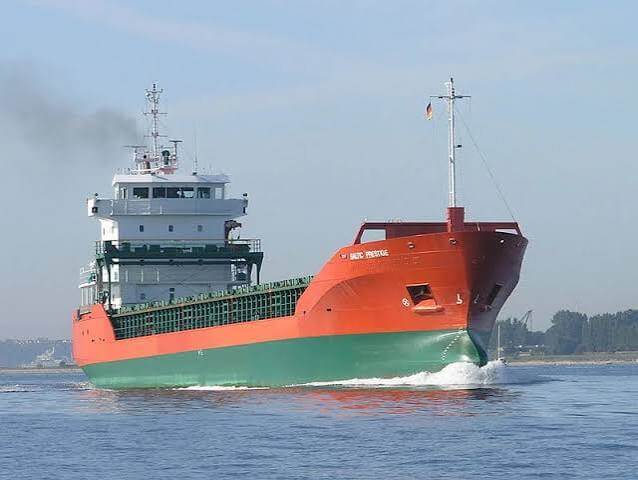 Escalating regional tensions have significantly disrupted Afghanistan’s trade and logistics sector, creating new challenges for the movement of imports and exports while increasing transportation costs for businesses. Representatives of the country’s private sector report that ongoing instability has interrupted established transit routes, delayed cargo shipments, and placed additional financial pressure on Afghan traders. The disruptions are affecting the timely delivery of essential goods and export commodities, raising concerns over supply chain reliability and the broader economic implications for Afghanistan’s trade-dependent economy.
According to the Afghan Traders Council in the United Arab Emirates, recent geopolitical developments have adversely affected Afghanistan’s commercial activities. Following the suspension of parts of Afghanistan’s trade through Pakistan, many shipments were redirected from Karachi Port to Jebel Ali Port in the UAE. However, the latest regional conflict has resulted in significant cargo delays, leaving numerous consignments stranded at Jebel Ali, while additional shipments remain delayed at Bandar Abbas Port in Iran. Traders warn that prolonged disruptions could reduce the availability of imported raw materials and essential goods, contributing to higher domestic prices and increased costs for consumers.
In response to these challenges, the Afghanistan Chamber of Agriculture and Livestock has dispatched a delegation to Iran to assess transit bottlenecks affecting Afghan cargo at Bandar Abbas, Chabahar, and Jebel Ali ports. The delegation is working with the de facto authorities and Iranian counterparts to identify practical solutions for restoring cargo movement, minimizing financial losses for traders, and improving the efficiency of regional transit operations. The initiative reflects ongoing efforts by the private sector and public institutions to safeguard Afghanistan’s trade flows amid an increasingly uncertain regional environment.
The disruption has also affected Afghanistan’s export sector, particularly the dried fruit industry. The Kabul Dry Fruit Exporters Union reports that restrictions on overland transport have forced exporters to rely on alternative routes that are substantially more expensive and time-consuming. Although Afghanistan’s air cargo corridors remain operational, exporters note that shipments transported via alternative overland routes through Türkiye to India now require approximately three months to reach their destinations, while transportation costs have increased nearly threefold. These additional expenses reduce the international competitiveness of Afghan exports and place further pressure on exporters already operating in challenging market conditions.
Analysis:
The disruption of regional transit routes highlights Afghanistan’s continued vulnerability to external geopolitical developments and its heavy reliance on neighboring countries for international trade access. Delays at major regional ports and rising transportation costs not only weaken the competitiveness of Afghan exports but also contribute to higher domestic prices for imported goods and industrial inputs. Strengthening trade resilience will require diversifying transit corridors, expanding multimodal transport options, improving regional trade agreements, and investing in domestic logistics infrastructure. Enhanced regional economic cooperation and more reliable transport connectivity will be essential to reducing supply chain risks, protecting private sector growth, and supporting Afghanistan’s long-term economic stability in an increasingly volatile regional environment.
 Herat Province has continued to strengthen its position as one of Afghanistan’s leading centers for handwoven carpet production, exporting more than 10,000 square meters of carpets to Germany since the beginning of the current year. According to the Herat Governor’s Office, the exported carpets are valued at approximately US$103,000, reflecting the sustained international demand for Afghan handmade carpets. Renowned for their exceptional craftsmanship, intricate traditional patterns, and premium quality, Herat’s carpets continue to secure a competitive presence in global markets, reinforcing Afghanistan’s reputation as a producer of high-value artisanal products.
Provincial authorities emphasized that the local administration remains committed to supporting the carpet industry by facilitating access to both domestic and international markets. Through initiatives aimed at expanding export opportunities and strengthening market linkages, the government seeks to enhance the competitiveness of Afghan carpets while creating favorable conditions for producers, exporters, and small enterprises engaged in the sector. These efforts are expected to contribute to increased export volumes, greater foreign exchange earnings, and stronger integration of Afghan products into international markets.
The carpet industry remains one of Afghanistan’s most significant traditional industries, providing livelihoods for thousands of artisans, weavers, traders, and small-scale producers across the country. Beyond its economic contribution, the sector preserves centuries-old weaving techniques and cultural heritage, making Afghan carpets both an important export commodity and a symbol of the country’s rich artistic identity. Continued access to international markets such as Germany provides valuable opportunities for expanding production, increasing incomes, and sustaining employment within local communities.
Analysis:
The continued export of Herat’s handwoven carpets to Germany demonstrates the enduring global appeal of Afghanistan’s traditional industries and highlights the export potential of value-added cultural products. Unlike raw commodity exports, handmade carpets generate higher economic returns through skilled craftsmanship, local production, and labor-intensive manufacturing, supporting rural employment and preserving cultural heritage. Expanding access to premium international markets, improving quality certification, strengthening branding initiatives, and investing in modern marketing and logistics can significantly enhance the global competitiveness of Afghan carpets. As demand for authentic handmade products continues to grow, the carpet industry has the potential to become an increasingly important driver of export diversification, foreign exchange earnings, and inclusive economic development in Afghanistan.
 In response to declining employment opportunities and mounting economic challenges, many women in Bamyan Province are increasingly relying on sewing and traditional handicrafts as a primary source of income to support their families. Working from their homes and small workshops, women artisans are transforming traditional skills into economic opportunities despite facing limited market access, insufficient financial support, and seasonal fluctuations in demand. For many households, handicraft production has evolved from a cultural practice into an essential livelihood strategy that helps meet daily living expenses.
Local craftswomen explain that the production of handmade goods often requires significant time, collaboration, and craftsmanship. According to artisans in Bamyan, a single handcrafted product may take several months to complete, with multiple family members contributing to the process. This collaborative model not only preserves traditional craftsmanship but also provides employment for unemployed family members, enabling households to generate a modest but critical source of income amid difficult economic conditions.
Women engaged in the sector noted that demand for handmade products is closely linked to Bamyan’s tourism season. During the spring and holiday periods, the arrival of domestic and international visitors creates greater market opportunities for locally produced handicrafts and traditional clothing, leading to higher sales and improved household earnings. However, business activity typically declines during the winter months, highlighting the vulnerability of home-based enterprises to seasonal market fluctuations and the broader challenges facing Afghanistan’s tourism and small business sectors.
Recognized for its rich cultural heritage and traditional craftsmanship, Bamyan has long been one of Afghanistan’s most prominent centers for handicraft production. As formal employment opportunities for women have become increasingly limited, home-based enterprises have assumed a more significant economic role, allowing women to preserve cultural traditions while contributing directly to household resilience and local economic activity.
Analysis:
The growing reliance on sewing and handicrafts in Bamyan illustrates the resilience and entrepreneurial capacity of Afghan women in adapting to challenging economic circumstances. Home-based enterprises not only generate income for vulnerable households but also preserve traditional cultural heritage and support local value chains. Nevertheless, the sector continues to face structural constraints, including limited access to finance, restricted market opportunities, inadequate business development services, and seasonal demand. Expanding access to domestic and international markets, strengthening artisan cooperatives, promoting digital and export-oriented marketing, and investing in skills development could significantly enhance the economic sustainability of women-led handicraft enterprises. Supporting this sector offers an opportunity to strengthen household livelihoods, promote inclusive local economic development, and preserve one of Afghanistan’s most valuable cultural industries.
 A three-day exhibition titled “Economic Transformation” has opened in Kabul, bringing together women entrepreneurs, small businesses, and producers to showcase locally made products and promote domestic industries. Organized by a private institution, the exhibition features nearly 70 exhibition booths displaying a diverse range of Afghan products, handicrafts, and home-based enterprises. The initiative seeks to strengthen domestic production, enhance market access for women-led businesses, and encourage greater collaboration between the private sector, development partners, and investors.
According to the organizers, the exhibition was designed to highlight the entrepreneurial capacity of Afghan women while creating opportunities to connect producers with domestic and international markets. Plans were also announced to establish a dedicated marketplace where women entrepreneurs could regularly display and market their products within the existing regulatory framework. Such initiatives are expected to improve business visibility, strengthen local supply chains, and create more sustainable income-generating opportunities for women-owned enterprises.
Participating entrepreneurs described the exhibition as an important platform for promoting their businesses, expanding their customer base, and building commercial networks beyond immediate sales. Many exhibitors emphasized that trade fairs provide valuable opportunities to introduce locally manufactured products to new markets while increasing public awareness of Afghan-made goods. Women business owners also called for greater institutional support, improved access to markets, expanded business development services, and more frequent exhibitions to help small enterprises grow and become financially sustainable.
Analysis:
The “Economic Transformation” exhibition highlights the growing role of entrepreneurship and small-scale manufacturing in supporting Afghanistan’s domestic economy. Trade exhibitions serve as important mechanisms for connecting producers with consumers, investors, and commercial partners while strengthening the visibility of locally produced goods. For women entrepreneurs, such platforms can contribute to business growth, income generation, and the preservation of traditional skills despite ongoing economic challenges. However, the long-term success of women-led enterprises will depend on expanding access to finance, improving market linkages, strengthening entrepreneurial support services, and creating a more enabling business environment. Continued investment in domestic production and small enterprise development can contribute to job creation, import substitution, and broader economic resilience while fostering more inclusive private sector growth across Afghanistan.
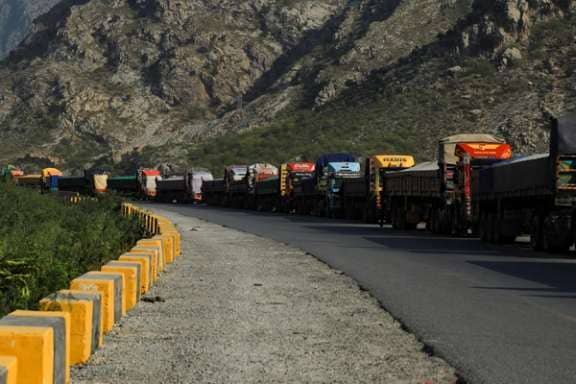 Afghanistan’s foreign trade experienced moderate growth over the past year, reflecting continued expansion in commercial activity despite persistent structural economic challenges. According to the Ministry of Industry and Commerce, the country’s total foreign trade reached US$13.907 billion, representing a 6.4 percent increase compared to the previous year. Afghan exports also recorded modest growth, rising by 0.9 percent to US$1.722 billion. While these figures indicate positive momentum in international trade, Afghanistan continues to face a substantial trade imbalance, with imports significantly exceeding exports.
The country’s principal trading partners during the reporting period included Iran, Uzbekistan, Turkmenistan, India, China, the United Arab Emirates, and Türkiye. Iran remained Afghanistan’s largest source of imported goods, supplying a wide range of consumer products, industrial inputs, and fuel, while India continued to be the leading destination for Afghan exports, particularly agricultural products, dried fruits, medicinal plants, and other traditional export commodities. The diversification of regional trade partnerships reflects ongoing efforts to strengthen Afghanistan’s integration into regional and international markets.
The Afghanistan Chamber of Commerce and Investment (ACCI) welcomed the increase in trade and exports, describing it as an encouraging indicator of expanding commercial activity. The Chamber noted that cooperation between the private sector and the de facto authorities has contributed to broadening Afghanistan’s trade routes and reducing reliance on any single transit corridor. Continued efforts are underway to deepen trade relations with regional and international partners, facilitate market access, and create new opportunities for Afghan exporters while maintaining stable import flows.
Economic analysts, however, caution that sustainable improvements in Afghanistan’s trade performance will depend on strengthening domestic production and increasing the competitiveness of locally manufactured goods. They argue that expanding industrial capacity, attracting productive investment, improving agricultural value chains, and diversifying export markets are essential to narrowing the country’s trade deficit. Without significant growth in domestic production, Afghanistan is likely to remain heavily dependent on imported goods to satisfy consumer and industrial demand.
Analysis:
The growth in Afghanistan’s foreign trade demonstrates increasing regional commercial engagement and resilience within the country’s trading sector. However, the modest rise in exports relative to the much larger volume of imports highlights the structural imbalance that continues to characterize Afghanistan’s economy. Reducing import dependence will require long-term investment in manufacturing, agriculture, agro-processing, mining, and export-oriented industries capable of generating higher value-added products. At the same time, improving trade infrastructure, facilitating private sector investment, expanding regional market access, and strengthening industrial competitiveness will be critical for increasing export earnings and improving the trade balance. A more diversified and production-driven economy would enhance economic resilience, create employment opportunities, and contribute to more sustainable and inclusive economic growth.
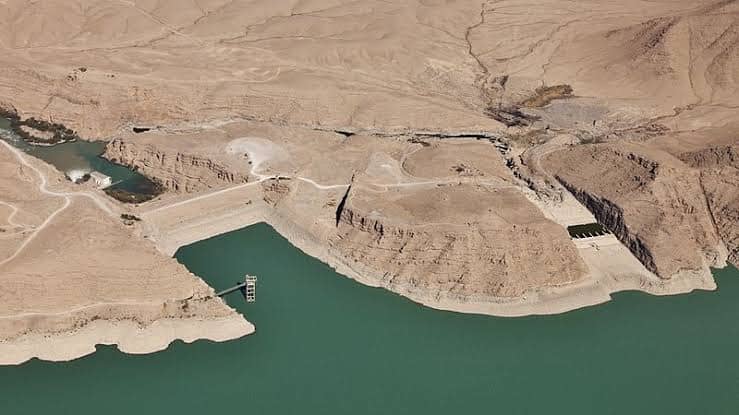 Afghanistan continues to expand its water infrastructure, with 24 small, medium, and large dams now operational or approaching completion across the country, according to the Ministry of Energy and Water. These projects are designed to enhance hydroelectric power generation, irrigate agricultural land, and improve the sustainable management of the country’s water resources. As Afghanistan seeks to address growing energy and agricultural demands, investment in water infrastructure has become an important component of national development efforts aimed at strengthening economic resilience and reducing dependence on external resources.
The Ministry reported that work is progressing on several major strategic projects, including the Bakhshabad Dam, Paltuni Dam, Shaflogh Dam, the Qosh Tepa Canal in northern Afghanistan, the Shahi Canal in the eastern region, and the Nahr-e-Seraj Canal in the south. According to ministry officials, the existing network of dams already contributes hundreds of megawatts of electricity while supplying irrigation water to thousands of hectares of agricultural land, supporting both food production and rural livelihoods.
Experts note that although Afghanistan possesses abundant freshwater resources, decades of underinvestment in water infrastructure have limited the country’s ability to fully utilize its rivers for irrigation, electricity generation, and economic development. A substantial volume of water continues to flow beyond Afghanistan’s borders each year due to insufficient storage and water management facilities. Economic analysts argue that expanding modern dam infrastructure could significantly increase domestic electricity production, strengthen agricultural productivity, improve climate resilience, and reduce the country’s reliance on imported electricity.
Analysts also emphasized that the long-term success of these infrastructure projects depends on high construction standards, transparent procurement processes, and effective project management. They argue that well-designed water infrastructure has the potential not only to improve national energy security but also to enhance water conservation, support industrial development, and stimulate broader economic growth. With appropriate investment and governance, Afghanistan’s extensive water resources could become a key driver of sustainable development and regional economic competitiveness.
Analysis:
The expansion of Afghanistan’s dam and irrigation infrastructure represents a strategic investment in the country’s long-term economic and environmental sustainability. Effective water management is essential for strengthening agricultural productivity, increasing renewable energy generation, reducing vulnerability to drought, and improving food and energy security. While the de facto authorities have prioritized several major water infrastructure projects, realizing their full economic benefits will require sustained investment, technical expertise, transparent implementation, and integrated water resource management. If completed and managed efficiently, these projects could reduce dependence on imported electricity, expand irrigated agriculture, create employment opportunities, and transform Afghanistan’s abundant water resources into a foundation for sustainable economic growth and greater regional connectivity.