
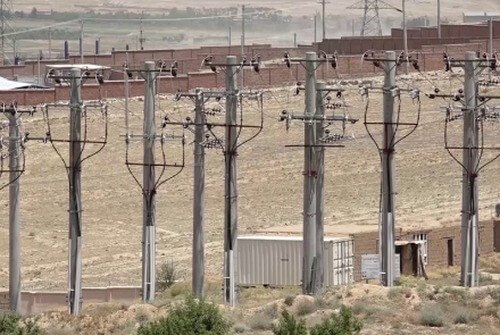
 KABUL — Da Afghanistan Breshna Sherkat (DABS) says 850 power projects launched under the previous government remain incomplete across Afghanistan, covering electricity generation, transmission and distribution. Completing the projects will require additional funding and prioritization based on electricity needs.
DABS spokesperson Mohammad Sadiq Haqparast said work has resumed on some projects, with priority given to areas facing greater demand. He cited the completion of the Parandi hydropower project in Panjshir as an example of progress.
Economic analysts warn that delays are limiting electricity access for households and businesses, increasing operating costs and constraining economic activity. They call for adequate financing and faster completion of projects that can expand domestic generation and improve transmission and distribution networks.
Economic Outlook: Completing priority power projects could reduce electricity shortages, lower business costs and support industrial and agricultural development. Achieving these benefits will depend on securing sustainable financing, effective project management and directing resources toward infrastructure with the greatest economic impact.
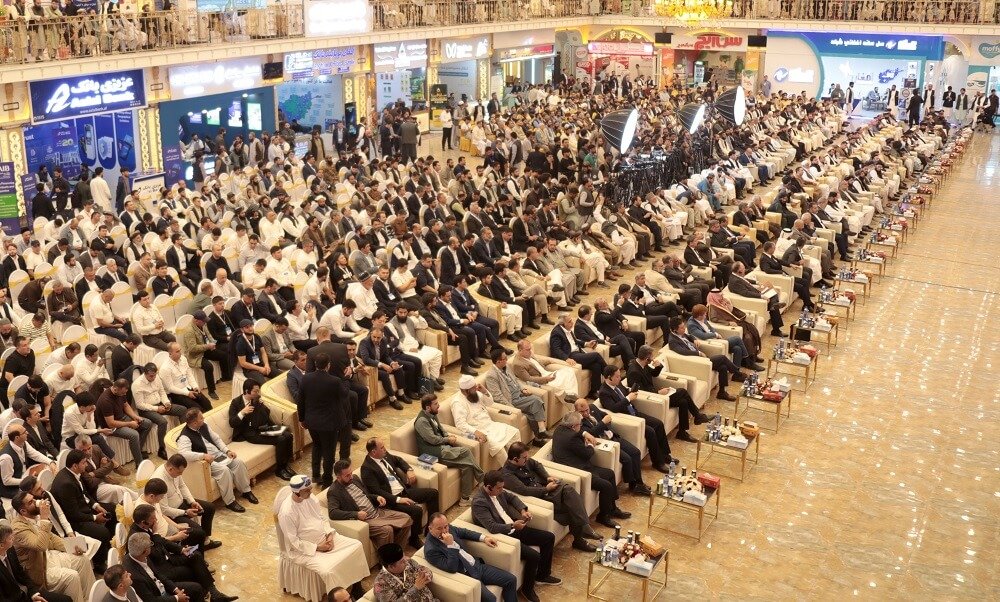 KABUL — The fifth Imam Abu Hanifa National and International Exhibition opened in Kabul for seven days, bringing together domestic businesses, foreign exhibitors, diplomats and international organizations to promote Afghan products, expand trade and encourage investment.
The exhibition features nearly 700 booths displaying domestic and foreign products. At the opening ceremony, Deputy Prime Minister for Economic Affairs Mullah Abdul Ghani Baradar emphasized the role of exhibitions in promoting domestic production and strengthening regional trade ties.
Officials and business representatives highlighted opportunities in manufacturing, textiles, garments and other productive sectors. The head of the Afghanistan Chamber of Commerce and Investment stressed the need to mobilize the country’s economic potential and expand domestic production. Iranian representatives also called for greater investment and commercial cooperation, while the Afghanistan-U.S. Chamber of Commerce highlighted the potential for investment to generate employment.
Economic Outlook: The exhibition offers opportunities to connect businesses, promote domestic products and attract investment. Turning these opportunities into sustained economic gains will depend on improved market access, reliable financing, stronger production capacity and practical agreements that support trade, exports and job creation.
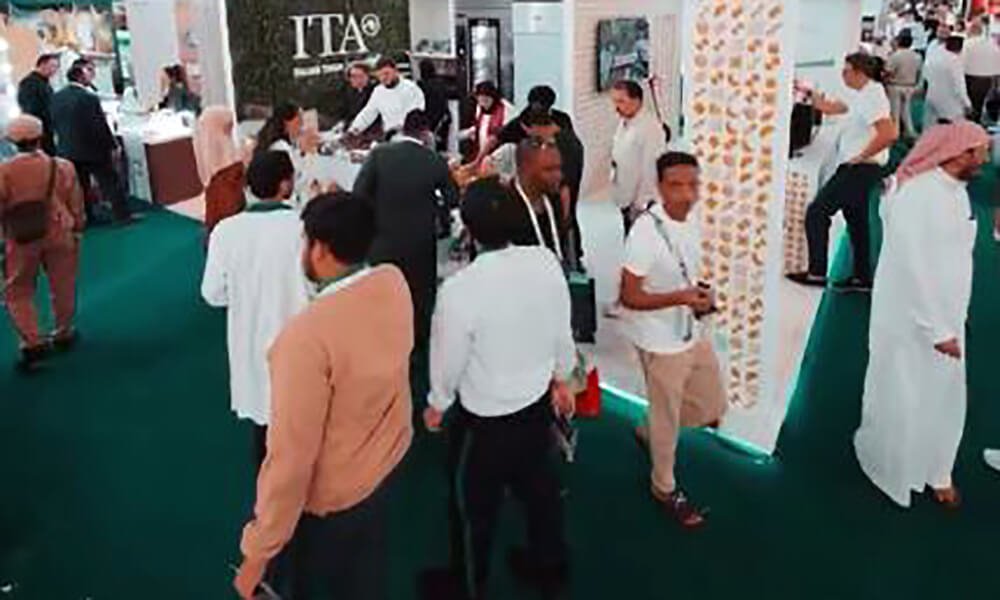 JEDDAH — Five Afghan businesses showcased dried fruits, nuts, spices, pomegranate juice and fruit concentrates at the Saudi Food Show 2026, held from September 27 to 29 in Jeddah, attracting interest from Saudi buyers and creating opportunities to expand agricultural exports.
The exhibition connected Afghan businesses with potential buyers, distributors and major retail chains. Their participation was supported by the European Union-funded Afghanistan Community Resilience Programme, jointly implemented by UNDP, FAO, IOM and UNODC to strengthen vulnerable communities and promote market access for legal agricultural products.
According to UNDP, Afghan businesses supported by the programme secured more than $25 million in trade prospects at two international exhibitions last year. Over the past five years, UNDP has also supported more than 13,000 agribusinesses and farmers in accessing new markets and helped facilitate sales of over 23,000 metric tonnes of agricultural produce.
Another eight to 10 Afghan businesses are expected to participate in Annapoorna Inter Food in Mumbai, India, from December 9–11, 2026.
Economic Outlook: International exhibitions offer opportunities to diversify Afghanistan’s agricultural exports, increase market access and support rural employment. Converting buyer interest into actual sales will depend on competitive pricing, consistent product quality, reliable logistics and sustained access to international markets.
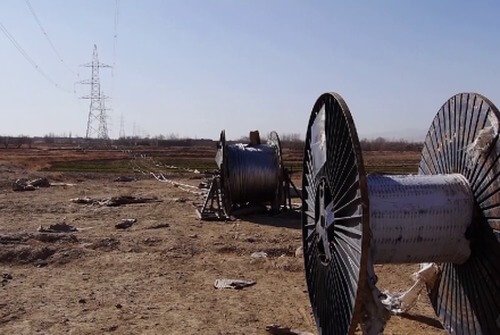 KABUL — Work on Afghanistan’s section of the CASA-1000 electricity transmission project has reached 70% completion, according to Da Afghanistan Breshna Sherkat (DABS), with completion projected by March 2028.
The regional project aims to transmit electricity from Kyrgyzstan and Tajikistan to Pakistan through Afghanistan. Afghanistan is expected to receive 300 megawatts of electricity and earn an estimated $60 million to $65 million annually in transit fees.
DABS spokesperson Mohammad Sadiq Haqparast said the project could strengthen Afghanistan’s energy sector and regional connectivity. Construction on the Afghan section, suspended in 2021, resumed in late 2024. Representatives of participating countries also emphasized accelerating implementation during a regional meeting in Bishkek in October.
Economic Outlook: CASA-1000 could generate transit revenue, improve electricity access and strengthen Afghanistan’s role in regional energy trade. Realizing these benefits will depend on timely completion, sustained cooperation among participating countries and stable regional trade relations.
 KABUL — An Afghan company and an Austrian firm have signed a memorandum of understanding (MoU) to expand Afghan carpet exports to European markets, creating potential opportunities for local producers and artisans.
Signed on the sidelines of the fifth Imam Abu Hanifa National and International Exhibition in Kabul, the agreement covers cooperation in carpet design, marketing and international market access.
Austrian businessman Fritz Langauer said Afghan carpets meet European market requirements in terms of design, colours, raw materials and quality. The partnership aims to connect Afghan producers with a wider customer base and strengthen commercial ties between the two countries.
Economic Outlook: The partnership could help expand exports, generate income for local producers and support employment in Afghanistan’s traditional carpet industry. Realizing these benefits will depend on effective marketing, consistent product quality and sustained access to European markets.
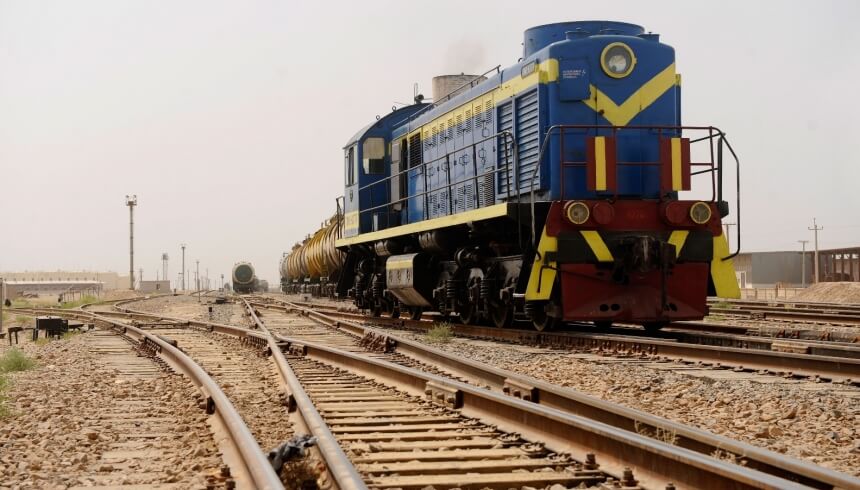 HAIRATAN — Afghanistan’s Hairatan railway port receives an average of 280 to 300 freight wagons daily from Central Asian countries, according to port officials, underscoring its role in facilitating regional trade and connecting Afghanistan to international markets.
The 75-kilometre Hairatan–Mazar-e-Sharif railway links Afghanistan with Uzbekistan and serves as a major route for goods from Central Asia and China, including clothing, medical equipment, machinery and electrical products.
Railway officials and traders say rising cargo volumes have strengthened commercial ties with China and other regional markets while creating employment for local workers involved in container handling and cargo processing.
Trade between Afghanistan and China through the railway dates back to 2016, when the first Chinese cargo train reached Hairatan. In 2019, Afghanistan sent its first export train to China, carrying talc powder.
Traders see further railway development as an opportunity to expand commercial links with Kazakhstan, Russia and other international markets.
Economic Outlook: Hairatan’s growing cargo traffic could strengthen Afghanistan’s regional trade links, support local employment and improve access to international markets. Expanding railway infrastructure, facilitating exports and diversifying trade routes will be important to maximizing these benefits and reducing transport constraints for Afghan businesses.
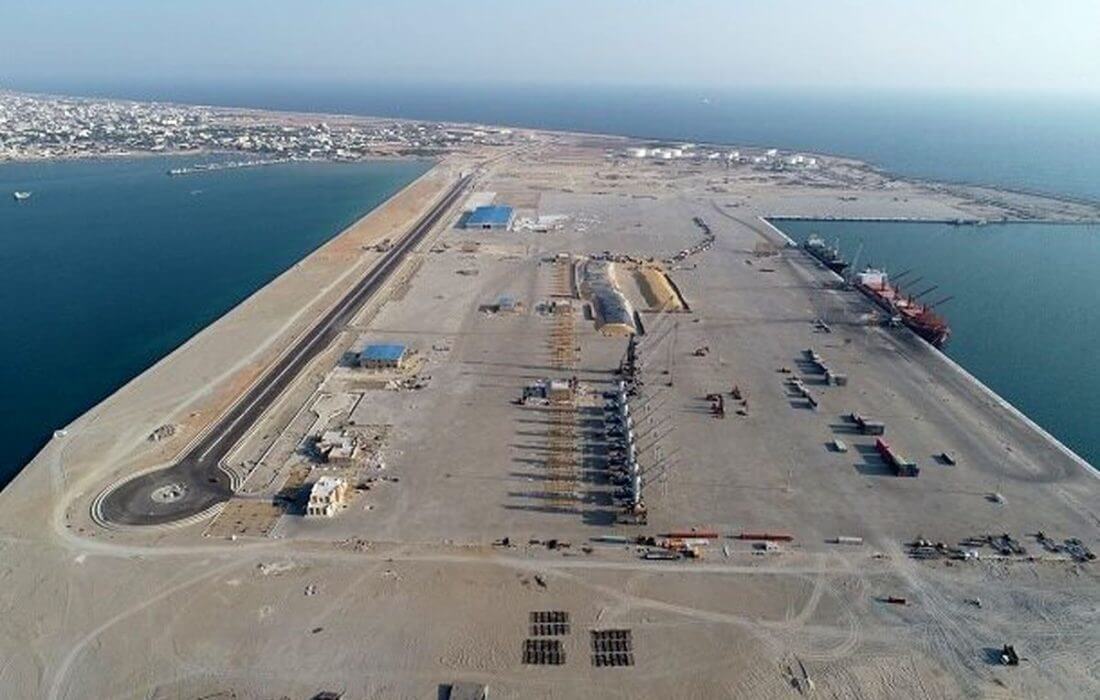 KABUL — Afghanistan has welcomed Iran’s proposal to lease port facilities at Chabahar, a move that could diversify the country’s trade routes and improve access to international markets.
Abdul Latif Nazari, Deputy Minister for Technical Affairs at the Ministry of Economy, said the arrangement could benefit both countries by facilitating trade and providing Afghanistan, a landlocked country, with access to international waters.
Iranian Foreign Ministry spokesperson Esmaeil Baghaei clarified that the proposal concerns leasing port facilities, not transferring Iranian territory. He said the arrangement could help landlocked countries expand commercial activity through international ports.
Economic analysts note that access to additional trade routes could reduce Afghanistan’s reliance on existing corridors. However, sanctions, banking restrictions and financing challenges could affect the implementation and commercial viability of the proposed arrangement.
Economic Outlook: Access to Chabahar could help Afghanistan diversify trade routes, reduce logistical constraints and strengthen regional commerce. Realizing these benefits will depend on clear leasing arrangements, reliable transport links, access to financing and the management of sanctions-related risks.
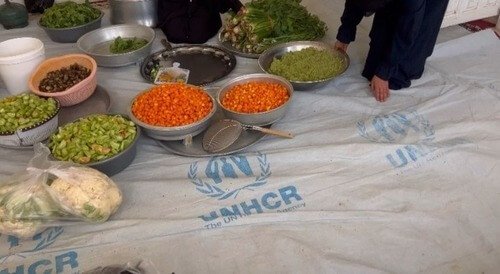 HERAT — A woman entrepreneur in Herat has turned an initial investment of just 300 afghanis into a small pickle-production business, now generating daily sales of 6,000–7,000 afghanis and providing employment for six other women and young women.
Malihah Yousufi told Amu TV that she started the business after being deported from Iran and returning to Afghanistan. She said income from pickle production covered half of her household expenses during the previous winter, while her products are now distributed to markets and wholesale shops across Herat.
The business also provides income and skills for other women. Salima, a mother of two, earns between 100 and 150 afghanis daily, helping cover her living expenses. Negar, who has been unable to continue her education, said the work provides income and has improved her emotional well-being.
According to Amu TV, more than 200 women in Herat are involved in pickle production through small businesses or home-based activities. These women continue their work despite limited institutional support.
Economic Outlook: Women-led microbusinesses can contribute to household income, local employment and small-scale production, even with limited start-up capital. Access to financing, improved production facilities, packaging and wider markets could help these businesses grow and create more sustainable economic opportunities for women in Afghanistan.
 KABUL — Afghanistan is seeking to expand cotton processing capacity and access to domestic and international markets, while the UN Food and Agriculture Organization (FAO) has highlighted the crop’s importance for livelihoods, employment and global trade on World Cotton Day.
Afghanistan’s General Directorate of State-Owned Enterprises said cotton-processing capacity has increased following the rehabilitation of ginning and pressing equipment at several facilities, including Spinzar in Kunduz, Balkh’s Cotton and Vegetable Oil Company, and Bost Cotton and Vegetable Oil Company in Helmand. These facilities can collectively process hundreds of tonnes of cotton daily, according to the directorate.
Spinzar has established direct trade links with buyers in China and Uzbekistan and sold more than 200 tonnes of cotton to Uzbek traders for the first time. The company has also imported hundreds of tonnes of cottonseed from Uzbekistan for distribution to local farmers to support cultivation.
The FAO reported that global cotton production reached approximately 26 million tonnes in 2024, with more than 9 million tonnes traded internationally. It estimated the value of global cotton production at $46 billion in 2025 and exports at nearly $17 billion. The organization identified climate change, supply-chain disruptions, competition from synthetic fibres and market volatility as major industry challenges.
Economic Outlook: Expanding Afghanistan’s cotton industry could support farmers’ incomes, domestic processing, employment and export earnings. Achieving these gains will require modern machinery, agricultural support, reliable markets and greater investment in value-added production to strengthen the sector’s competitiveness.
 KABUL — Afghanistan’s dried fruit exports generated $674 million last year, according to the Ministry of Industry and Commerce, but exporters warn that transport costs, transit disruptions and banking restrictions are making access to international markets increasingly difficult.
Dried figs accounted for $314 million of exports, followed by raisins at $185 million, pistachios at $61 million, almonds at $45 million, and other dried fruits and nuts at $69 million.
The Afghanistan Chamber of Commerce and Investment reported that exports of dried fruits and nuts reached $245 million in the first six months of the current year, with India among the leading destinations.
Exporters say disruptions to trade routes, particularly through Pakistan and the Wagah border crossing, have increased shipping costs and caused delays. They are calling for alternative transit routes, expanded air-freight capacity and improved access to international markets.
Economic Outlook: Dried fruits and nuts offer significant export potential, but high logistics costs, transit barriers and inconsistent market access threaten competitiveness. Diversifying export routes, improving trade facilitation and adopting standardized packaging could help Afghanistan protect export earnings and expand its international market share.
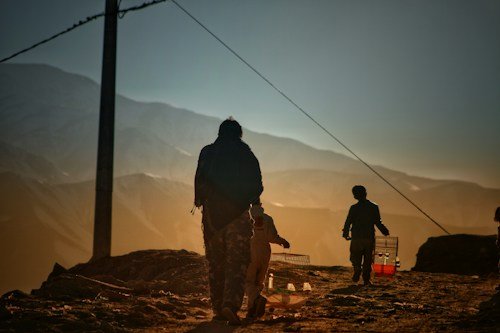 KABUL — Afghanistan is expected to gain the capacity to import up to 800 megawatts of electricity from Turkmenistan following the completion of the 711-kilometer, 500-kilovolt Kerki–Kabul transmission line, a project aimed at strengthening electricity supplies to Kabul and improving regional energy connectivity.
Murad Artykov, head of the International Power Projects Department for the Turkmenistan–Afghanistan–Pakistan route, announced the development at the Oil and Gas of Turkmenistan 2026 conference. The Sheberghan–Dasht-e-Alwan section is expected to be completed in the coming months, while the Dasht-e-Alwan–Arghandi section is scheduled for completion in May–June next year.
Meanwhile, Da Afghanistan Breshna Sherkat (DABS) says construction of the transmission line is expected to be completed within the next ten months. The company estimates that the project could raise electricity transmission capacity to Kabul to between 1,000 and 1,500 megawatts. The Turkmenistan–Afghanistan–Pakistan (TAP) project is also planned in three phases, with a 220-kilovolt line for Afghanistan and a 500-kilovolt line intended to transmit electricity to Pakistan.
Amanullah Ghalib, former head of DABS, said the TAP project could provide Afghanistan with affordable electricity, generate annual transit revenue from transmitting 300 megawatts of power, and strengthen the country’s role as an energy link between Central and South Asia. More than 50 project-related documents have reportedly been signed, while further coordination between the two countries’ energy ministries is expected.
Economic Outlook: The project could help Afghanistan address electricity shortages, support business activity, and generate transit revenue through regional power trade. However, its economic benefits will depend on timely completion, reliable electricity supplies, affordable transmission arrangements, and the development of infrastructure that enables Afghanistan to serve as a dependable energy corridor between Central and South Asia.
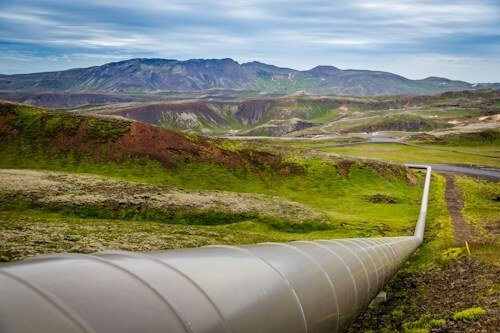 KABUL — Turkmenistan plans to complete the Serhetabat–Herat section of the Turkmenistan–Afghanistan–Pakistan–India (TAPI) gas pipeline by the end of 2026, with initial gas deliveries expected to begin by mid-2027. The project could expand Afghanistan’s access to natural gas, support industrial development, and generate transit revenue.
Maksat Babayev, chairman of state-owned Turkmengaz, announced the timeline at Turkmenistan’s International Oil and Gas Conference and Exhibition in Ashgabat. He said the volume of gas Afghanistan will require has not yet been finalized, and deliveries will depend partly on Afghanistan’s readiness to receive the supply. The 80-kilometer Serhetabat–Herat section, which provides the pipeline’s entry route into Afghanistan, is reportedly 80% complete.
The TAPI pipeline is designed to transport natural gas from Turkmenistan through Afghanistan to Pakistan and India. Beyond domestic supply, the project could position Afghanistan as a regional energy transit route. Economic analyst Zabihullah Islami noted that access to natural gas could help stabilize energy prices, support electricity generation, and create opportunities for private-sector growth.
Meanwhile, oil and gas expert Nazifullah Naeemi emphasized the importance of cooperation among the participating countries to advance construction and bring the pipeline into operation. At the conference, an Afghanistan Chamber of Commerce and Investment delegation also met with Turkmen officials and international energy companies to discuss trade expansion, investment opportunities, and private-sector cooperation.
Turkmenistan has announced plans to produce approximately 80 billion cubic meters of natural gas annually in 2026 and 2027, underscoring its efforts to expand energy exports and transportation routes.
Economic Outlook: The TAPI project could diversify Afghanistan’s energy supply, generate transit income, and create opportunities for investment and industrial activity. However, these benefits will depend on completing the pipeline, establishing the infrastructure needed to receive and distribute gas, securing financing, and coordinating operations among all participating countries. Timely implementation will be essential for translating the project’s regional ambitions into tangible economic benefits for Afghanistan.
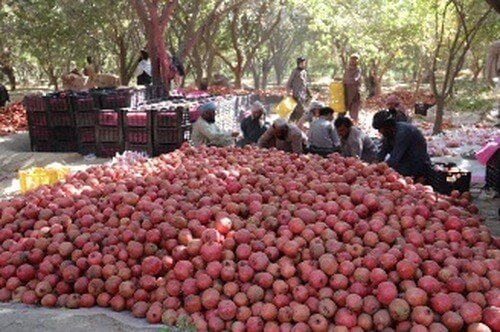 KANDAHAR — Pomegranate production in Afghanistan’s southern Kandahar province is expected to decline to around 220,000 tonnes in 2026, down from an estimated 275,000 tonnes in 2025, as drought, rising irrigation costs, falling domestic prices, and restricted export opportunities put pressure on growers.
Mohammad Hanif Haqmal, spokesperson for the provincial Department of Agriculture, Irrigation and Livestock, said pomegranate orchards cover nearly 15,000 hectares across Kandahar. Drought has reportedly damaged around 30% of orchards, with Arghistan among the hardest-hit districts. Falling groundwater levels have made irrigation more expensive, while damaged and split fruit has further reduced market value.
Growers say low prices in domestic markets, including Kabul and Herat, are making it difficult to recover production and irrigation costs. Export restrictions have compounded the problem, particularly since disruptions to trade routes with Pakistan reduced access to a major traditional market that previously imported between 50,000 and 90,000 tonnes of Kandahar pomegranates annually.
Some traders are exploring alternative export destinations. Pomegranate trader Nida Mohammad Farooqi said an agreement had been signed with Russian and Uzbek traders for approximately 80 tonnes of fruit, with the possibility of purchases reaching 5,000 tonnes if the initial exports prove successful. Meanwhile, domestic production of pomegranate juice and paste is creating additional opportunities to process fruit that might otherwise remain unsold.
Economic Outlook: Kandahar’s pomegranate industry faces growing pressure from water scarcity, higher production costs, and limited export access. Diversifying export markets and expanding fruit processing could help reduce post-harvest losses, extend product shelf life, and create more stable sources of income for growers. However, sustained progress will also require improved water management, reliable trade routes, and stronger links between farmers, processors, and international buyers.
 SHIBERGHAN — Women operating cucumber greenhouses in Shiberghan, the capital of northern Jawzjan province, are facing lower harvests and reduced incomes due to extreme summer heat and water shortages. The decline threatens an important source of employment and household income for women and their families.
Several women told Pajhwok Afghan News that greenhouse farming had enabled them to earn money by growing, packaging, and selling cucumbers, with some also producing pickles. However, this year’s heat and limited access to water have caused plants to dry out and reduced production. One greenhouse initiative, established with 50,000 afghanis in funding and support from the Agency for Technical Cooperation and Development (ACTED), has provided employment opportunities for 25 women.
Agricultural and economic experts say sustaining these businesses requires more than financial assistance. They recommend access to suitable loans, technical training, improved seeds, pest management, and more efficient irrigation systems. Drip irrigation, properly prepared planting beds, and mulching could help conserve water and reduce evaporation.
Zabihullah Khairandish, spokesperson for Jawzjan’s Department of Agriculture, Irrigation and Livestock, said 27 greenhouses were operating in the provincial capital. He added that efforts were under way with partner organisations to establish technically equipped greenhouses, introduce drip-irrigation systems, provide vocational training, and supply improved seeds and fertilisers.
Economic Outlook: Women’s greenhouse farming offers opportunities to strengthen household incomes, support local food production, and expand women’s participation in economic activity. However, water scarcity and rising climate pressures threaten the sustainability of these businesses. Investment in water-efficient irrigation, climate-resilient farming practices, and practical agricultural training could help protect harvests, reduce production losses, and improve income stability for women farmers in Jawzjan.
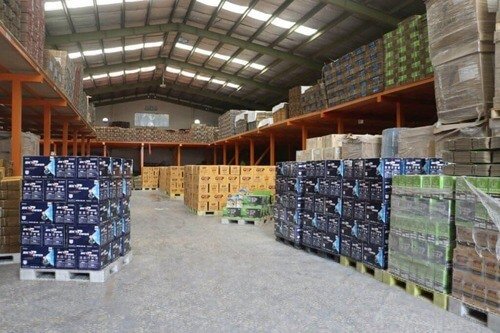 HERAT — An Afghan battery manufacturer in Herat province has exported a shipment of Green Plus batteries worth $2 million to Arab countries, marking its fourth export consignment to the region and highlighting opportunities for Afghanistan’s domestic manufacturing sector.
Abdul Matin Qalandari, head of the company, said the shipment was delivered under a major commercial contract. He added that the company’s batteries come with a one-year warranty and that its production capacity enables it to supply both domestic markets and international customers.
The company reportedly produces around 4,000 batteries daily and employs 550 people, contributing to local employment and industrial activity. Its management plans to expand exports by identifying additional international markets for its products.
Meanwhile, Mufti Yousuf Saeedi, spokesperson for the Herat governor, said the local administration supports domestic production and intends to encourage industrial development and exports.
Economic Outlook: The export shipment demonstrates the potential of Afghanistan’s manufacturing sector to generate foreign revenue, create jobs, and reduce reliance on imported goods. Expanding into regional markets could provide further growth opportunities for domestic producers. However, sustained export growth will depend on maintaining product quality, strengthening competitiveness, securing reliable trade routes, and developing access to new international markets.
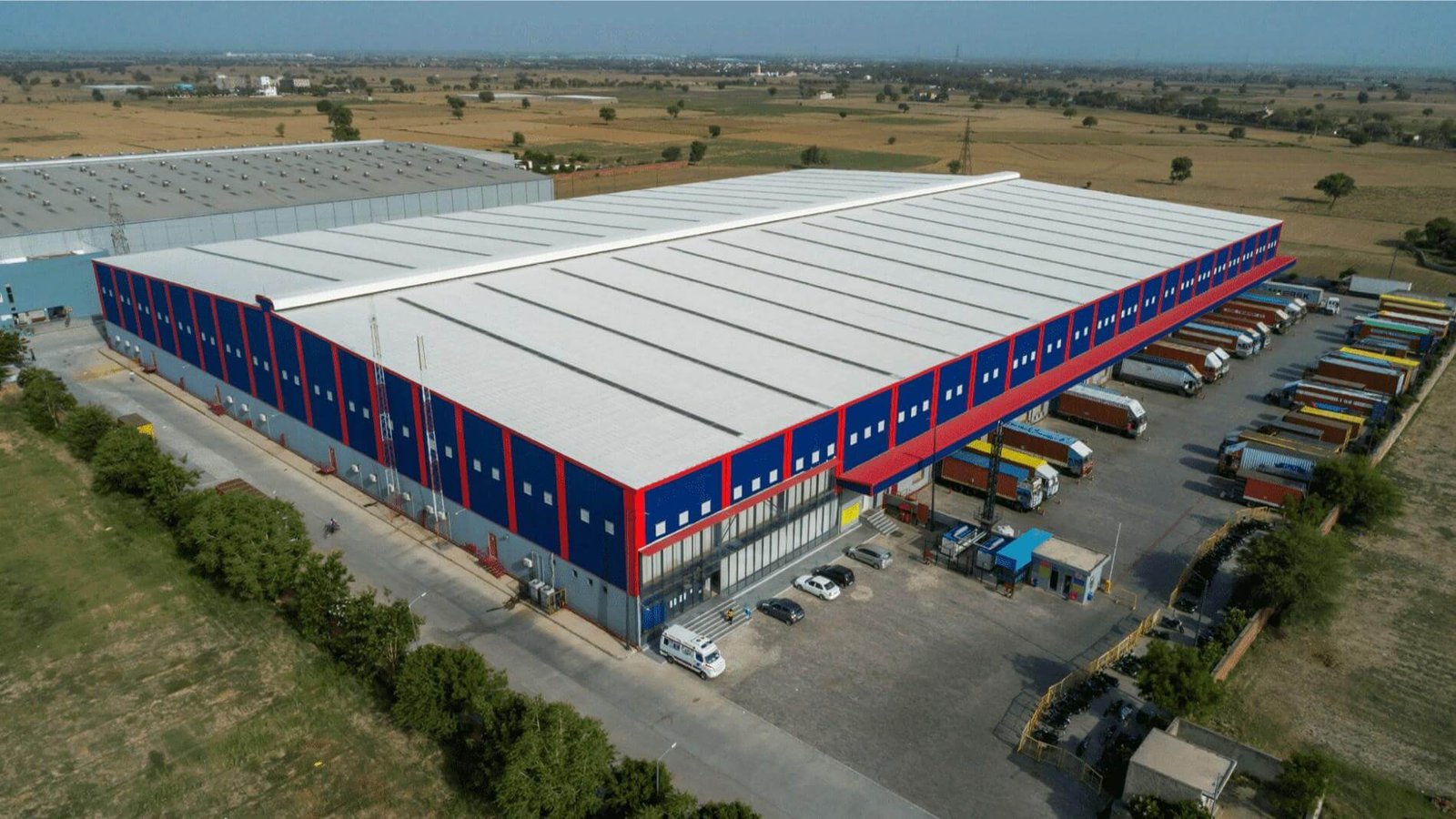 KABUL — Afghanistan has 14 operating oil refineries with combined investments of nearly $260 million, most of them located in Balkh province. The facilities process domestically extracted crude oil into petroleum products, as the country seeks to expand local refining capacity and reduce dependence on imported fuel.
According to the Ministry of Mines and Petroleum, the refineries have individual processing capacities of between 500 and 800 tonnes of crude oil per day. Ministry spokesperson Humayun Afghan said efforts were underway to establish modern, well-equipped facilities capable of processing crude oil to the required standards.
Afghanistan consumes approximately 3.5 million tonnes of petroleum products annually, but domestic production reportedly supplies only 5–7% of demand, leaving more than 90% dependent on imports. New oil exploration and extraction agreements have increased the focus on developing refining infrastructure to process more domestic crude oil.
The Afghanistan Chamber of Commerce and Investment has identified refinery development as a priority for a joint-stock investment company. Faiz Ahmad Khawfi, the chamber’s deputy for provincial affairs, said plans were being considered for a large refinery capable of meeting up to 50% of national fuel demand, with the possibility of expanding capacity further. Separately, Afghan and Iranian officials have discussed establishing an oil refinery in Afghanistan, although its location and construction timeline remain undecided.
Economic Outlook: Expanding domestic refining could reduce reliance on imported petroleum products, create employment, and increase the value generated from Afghanistan’s natural resources. However, the gap between domestic supply and national demand remains substantial. Realizing the sector’s potential will depend on investment in modern facilities, reliable crude oil supplies, quality control, and commercially viable production costs. Progress will also require clear project timelines and the infrastructure needed to distribute refined products across the country.