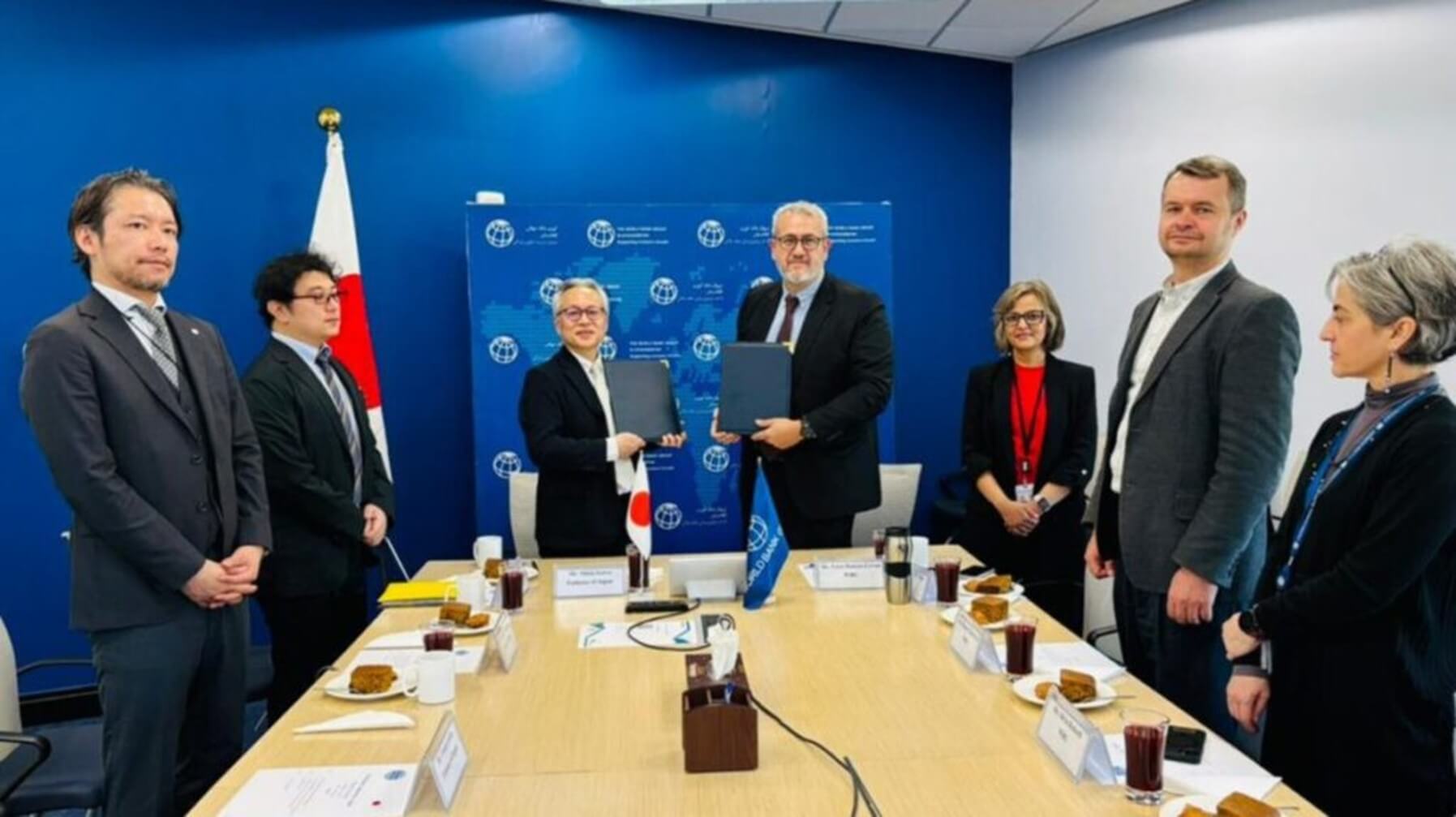
 Japan has signed a $2.08 million contribution agreement with the World Bank to support humanitarian and livelihood programs in Afghanistan, its diplomatic mission in Kabul said on Sunday.
The funding will be channeled through the Afghanistan Reconstruction Trust Fund (ARTF), a multi-donor trust fund administered by the World Bank that finances essential services and development programs in the country.
In a statement, Japan said the contribution is intended to support people in need and promote livelihoods among vulnerable Afghans, including women and young people.
“Japan stands with the Afghan people,” the statement said.
The pledge comes as Afghanistan continues to face severe economic hardship following the Taliban’s return to power in 2021, international sanctions and a sharp decline in foreign aid. Millions remain dependent on humanitarian assistance, and job opportunities — particularly for women — have shrunk amid widespread restrictions.
The ARTF has served as a key mechanism for delivering international assistance to Afghanistan, particularly after the suspension of direct budget support to Taliban. The fund supports programs in health, education, agriculture and community development.
Japan has remained one of the major donors to Afghanistan’s humanitarian and development efforts.
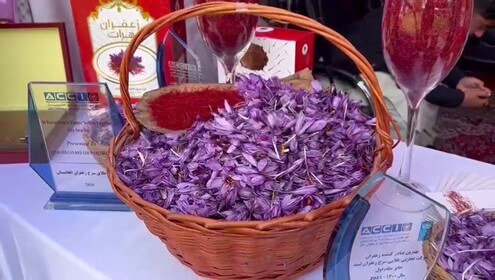 For the tenth consecutive year, saffron from Afghanistan’s Herat province has been awarded the title of the world’s highest-quality saffron by the International Taste Institute.
The competition was held in Brussels, Belgium, among the top four saffron-producing countries in the world, Afghanistan, Iran, Spain, and Greece.
Jalil Ahmad Maleki, the head of one of Herat’s saffron companies, said: “The International Taste Institute annually requests samples from countries involved in saffron production. After testing and evaluating the samples, the institute determines the highest quality. Other countries were also in the competition, but fortunately, we secured first place.”
Seyed Masoud, head of another saffron company in Herat, added: “Our request from the de facto government is to support national traders in saffron exports and to facilitate fast, secure, and affordable transport for them.”
Herat saffron has many customers in global markets.
According to local officials, saffron exports from Afghanistan to various countries have increased in recent months.
Abdul Khaleq Khodadadi, head of the Afghanistan Saffron Consortium, said: “Many countries around the world are highly interested in Afghan saffron. This interest is due to its natural purity and high quality. Most countries prefer to buy Afghan saffron.”
Local officials in Herat say that in recent years, saffron harvesting and processing in the province have become more standardized. The increase in both exports and saffron prices has led to greater interest among Herat farmers in cultivating the crop.
Mohammad Ebrahim Adel, head of the Afghanistan Saffron Union, stated: “Saffron is a commercial crop. I can say that this year, over 1,500 hectares of land have been added to saffron cultivation. Traders, farmers, and industry workers have been encouraged to expand its production.”
According to data from the Afghanistan Saffron Union, over 40 metric tons of saffron have been harvested in the country this year.
Union officials also report that 12,000 hectares of land across Afghanistan are under saffron cultivation, employing more than 80,000 people in its planting and harvesting.
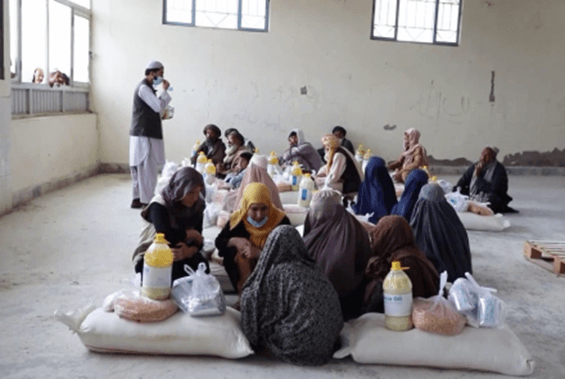 The World Food Programme (WFP) has stated in a report that humanitarian needs across Afghanistan remain “extremely high.”
According to the organization, the situation has been exacerbated by multiple shocks, including an unstable economy, limited access due to snowfall, large-scale returns from Iran and Pakistan, and funding shortfalls.
The agency stressed that with current funding levels, it is able to assist only 2 million people per month out of the 17.4 million who urgently require food assistance.
A section of the WFP report states: “For the first time in decades, drastic humanitarian assistance reductions mean WFP cannot respond at the level needed to protect families from extreme hunger. With the current funding, WFP can assist 2 million people per month out of 17.4 million who urgently need food assistance.”
Abdul Nasir Rashtia, an economic analyst, said: “As long as people do not have sustainable sources of income, unfortunately we cannot solve poverty with a single bottle of WFP oil or one sack of flour. The government must work to attract major investments and strongly support the private sector to create more employment opportunities.”
The report also notes that sharp reductions in humanitarian assistance have prevented WFP from delivering aid at the scale necessary to shield families from severe hunger.
Some citizens have also described the economic hardships they face.
Zakia, a resident of Kabul, said: “We cannot even afford rice; we do not even know what it is anymore. Prices are very high. We poor people understand nothing, and nothing reaches us.”
Another Kabul resident, Sultan Shah, said: “Prices have doubled. This Ramadan, I cannot even afford to buy 10 liters of oil. I push a handcart and today I have earned only 50 afghanis.”
Meanwhile, the Ministry of Economy has emphasized efforts to mobilize greater assistance for those in need.
Abdulrahman Habib, spokesperson for the Ministry of Economy, said: “Currently, due to climate change, consecutive droughts, imposed restrictions, the return of migrants from neighboring countries, and the continuation of humanitarian assistance, there is an urgent need for the international community to focus on employment-generation and support programs to reduce poverty and combat food insecurity.”
Earlier, the United Nations Office for the Coordination of Humanitarian Affairs (OCHA) announced the launch of the 2026 Afghanistan Humanitarian Needs and Response Plan in cooperation with its humanitarian partners, aiming to address urgent life-saving needs and prevent further deterioration of the humanitarian crisis in Afghanistan.
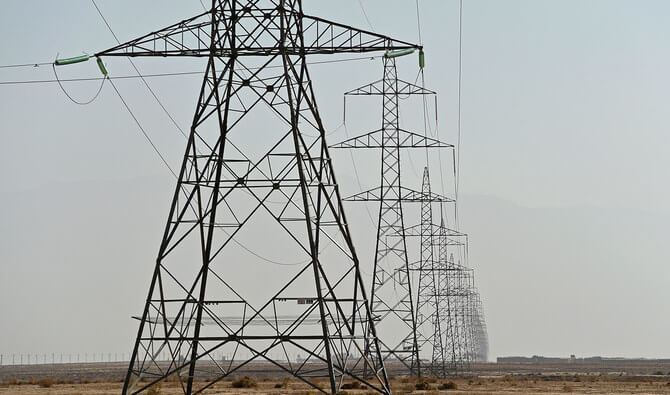 The contract for the commencement of practical work on five electricity generation projects from solar and coal sources was signed between Da Afghanistan Breshna Sherkat (Afghanistan’s power company) and Azizi Group.
The head of Da Afghanistan Breshna Sherkat described these projects as an important step toward increasing the country’s electricity generation capacity and said their total capacity reaches 845 megawatts, with an estimated investment value of 463 million US dollars.
According to Abdulhaq Hamkar, the projects will be completed within two to three years and, once implemented, will create job opportunities for thousands of people both directly and indirectly.
The head of Breshna Sherkat further added: “The total capacity of these projects is 845 megawatts, which is equal to the total amount of electricity imported from neighboring countries.”
The contracted projects are as follows:
- Generation of 100 megawatts of solar power in Naghlu, Kabul
- Generation of 100 megawatts of solar power in Barikab, Parwan
- Generation of 130 megawatts of solar power in Ghazni
- Generation of 350 megawatts of coal-fired power in Baghlan
- Generation of 165 megawatts of coal-fired power in Takhar
Meanwhile, the Ministers of Energy and Water, and Mines and Petroleum described electricity generation from various sources as a fundamental requirement for the development of the country’s industry and economy. They emphasized that the de facto supports investors in order to achieve self-sufficiency in different sectors.
The Minister of Mines also referred to progress in the TAPI project and added that with the completion of parts of the project, the ground will be prepared for the use of gas in electricity generation as well.
Hedayatullah Badri, Minister of Mines and Petroleum, said: “We also call on other investors to come and invest in the exploration and extraction of oil and gas resources. We have rich oil and gas fields which, if utilized, can systematically meet the country’s needs.”
Mohammad Younes Akhundzada, Minister of Energy and Water, added: “This ministry cooperates not only with Azizi Group but with all other investors and traders, according to the country’s needs, with the goal of achieving self-sufficiency.”
On the other hand, the chairman of Azizi Group described the signing of this contract as an important step toward strengthening the country’s energy independence.
He said that six months ago the company signed a memorandum of understanding to produce 10,000 megawatts of electricity, and now, with the commencement of practical work on these projects, concrete steps are being taken in that direction.
Mirwais Azizi, Chairman of Azizi Group, added: “Very soon, within the next two or three months, we will also have other programs and will sign contracts for an additional two to three thousand megawatts of electricity, and by the end of the year we aim to reach our set target of producing six to seven thousand megawatts of power.”
According to officials of the company, the necessary equipment for two coal-fired plants has been purchased, and efforts are ongoing to launch additional projects.
Mr. Azizi also announced the company’s interest in producing 3,000 megawatts of electricity within the framework of the TAPI project and stressed that discussions have been held with the Ministry of Mines and Petroleum in this regard.
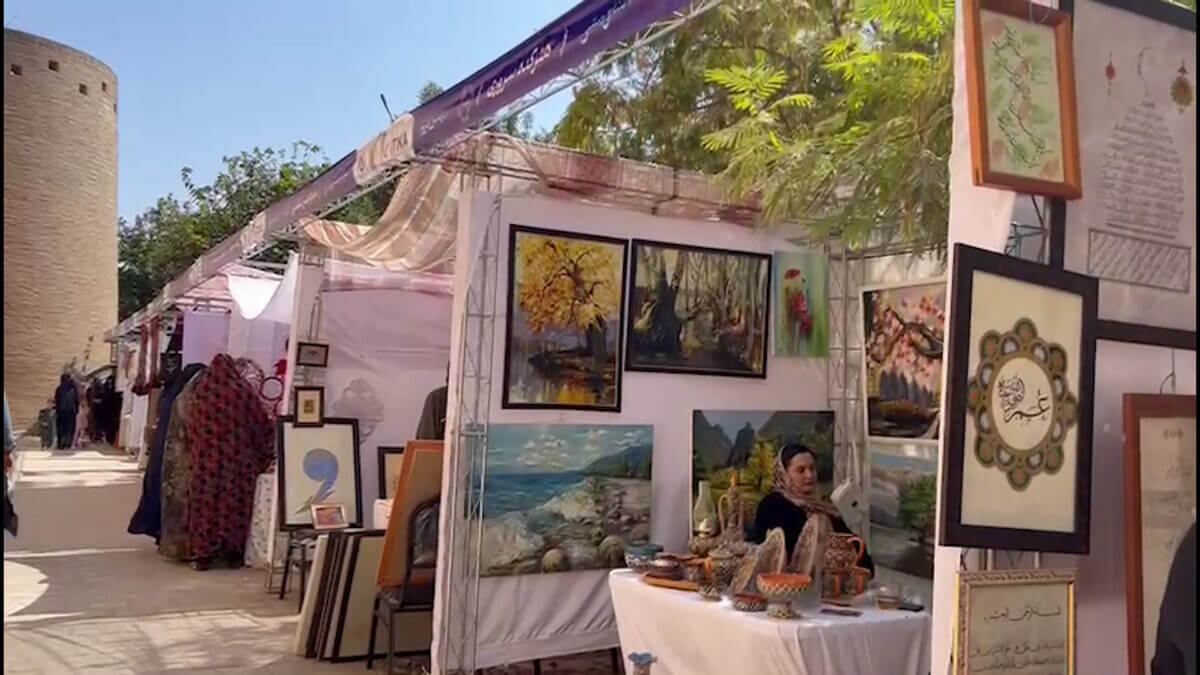 A three-day exhibition of women’s handicrafts has been held in Herat, showcasing handmade products and artistic creations by women and girls. The aim of the exhibition is to help market these products.
The exhibition organizer, Sosan Kazemi, said: “At this exhibition, we have displayed Afghan carpets, kilims, felt products, as well as miniature artworks, paintings, small ceramic items, laser engraving, and hand-carved works.”
The purpose of organizing the exhibition was described as introducing and promoting the handicrafts and artistic creations of women and girls.
One of the participants, Negita Dorani, said: “Our goal is to protect our culture and history and to preserve our cultural heritage through art and present it to the international community.”
Another participant, Malika Hashemi, said: “This exhibition provides women with the opportunity to showcase their art and handicrafts at an international level and to preserve the country’s authenticity and culture.”
According to the participants, public support is essential for the growth of handicrafts and home-based production. They also want to introduce the achievements of Afghan women and girls to the world.
Another participant, Quraish Malakzada, said: “The exhibition serves as a bridge of communication, allowing art to cross borders and enabling other countries to learn about Afghanistan’s art and artists.”
Participant Soraya Sadat said: “This exhibition is very effective and helps promote women’s handicrafts. It introduces women’s handicraft products to international audiences.”
The exhibition comes at a time when women’s business activities in Herat have increased significantly in recent years.
According to figures from the Herat Women’s Chamber of Commerce and Industries, over the past nearly three years, more than 1,000 women and girls have launched business activities, creating job opportunities for thousands of others.
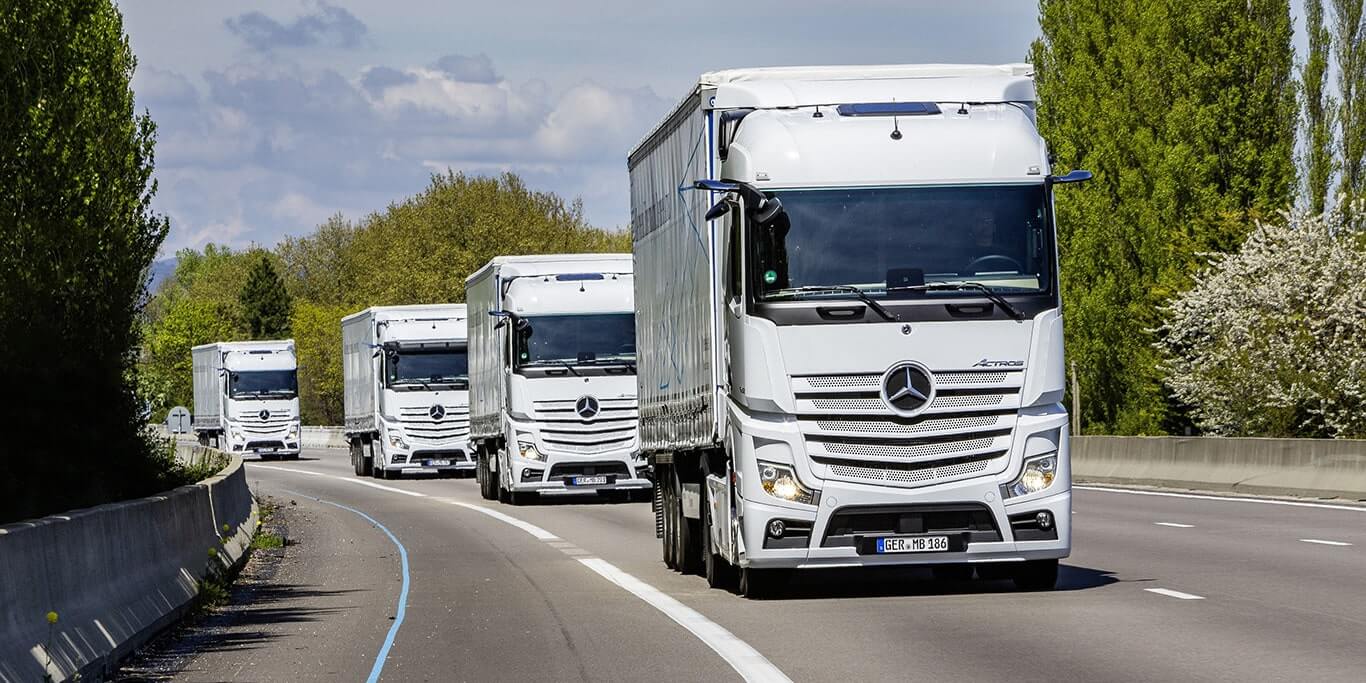 The Japanese ambassador to Afghanistan told TOLOnews that although Japan has not made investments in Afghanistan, trade exists between Kabul and Tokyo.
He added that a large portion of Japan’s trade with Afghanistan is indirect and conducted through third countries.
Kenichi Masamoto, Japan’s ambassador to Afghanistan, said: “At present, we do not see direct Japanese investment in Afghanistan, but we do have trade. We export machinery and machinery parts. Direct trade is limited; however, some Japanese vehicles and their spare parts enter Afghanistan through third countries. Therefore, trade exists, and there is also larger indirect trade taking place.”
Meanwhile, the Ministry of Industry and Commerce of Afghanistan reports that trade volume between Afghanistan and Japan reached $97 million last year, of which $2 million accounted for exports and $95 million for imports.
Akhundzada Abdul Salam Jawad, spokesperson for the Ministry of Industry and Commerce, said: “The main export items to Japan include medicinal plants, raisins, dried figs, pistachio kernels, fresh fruits, almond kernels, and dried apricots. The main imports from Japan include motorcycles, high-speed vehicles, tires and tubes, vehicle spare parts, and bicycles.”
Economic analysts believe that by utilizing emerging opportunities for investment in the country, the de facto government should seek to attract Japan toward investing in Afghanistan.
Ahmad Ferdous Behgozin, an economic analyst, said: “Japan can assist Afghanistan in technology transfer, improving production standards, and strengthening industrial capacity. On the other hand, trade relations with Japan send a message to the world that Afghanistan seeks constructive and balanced engagement.”
Another economic analyst, Shakir Yaqoubi, said: “Considering the future pathways for our country, establishing a structured and well-managed relationship with Japan could be highly important, particularly in infrastructure, energy sectors, education, and technology, where Japan can play a very effective role.”
This comes as, according to statistics provided by the Ministry of Industry and Commerce, Afghanistan currently conducts annual trade with more than 80 countries around the world.
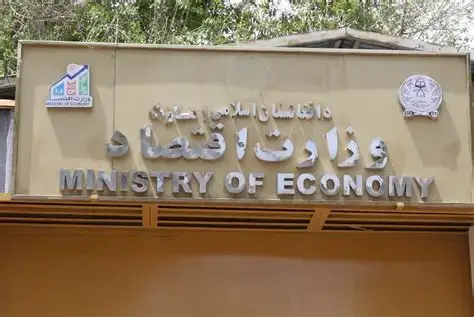 The Ministry of Economy of Afghanistan says a coordination meeting on the United Nations’ 2026 Development Framework for Afghanistan was held under the chairmanship of Qari Din Mohammad Hanif, Minister of Economy, focusing on advancing national development priorities and long-term economic stability.
The meeting was attended by representatives from the Ministry of Foreign Affairs, the United Nations Assistance Mission in Afghanistan (UNAMA), heads of UN agencies operating in the country, delegates from the European Union, and a range of international organizations.
During the session, the Minister of Economy outlined Afghanistan’s current situation, recent achievements, and key economic priorities, while expressing appreciation for the continued support of international partners during challenging years.
According to the Ministry, Afghanistan faced severe economic, social, and climate-related pressures in 2025.
These included the impacts of climate change and natural disasters, the forced return of more than two million Afghan migrants from neighboring countries, ongoing sanctions, frozen foreign reserves, and a sharp decline in development and humanitarian assistance. Together, these factors have significantly affected the livelihoods of vulnerable communities.
The Ministry said these measures helped preserve relative economic stability and deliver stronger economic growth compared with the previous year.
Improved economic governance, support for domestic production and the private sector, exchange rate stability, export growth, national infrastructure projects, inflation control, and increased domestic revenues were cited as key contributors.
The Ministry also highlighted the role of the United Nations in addressing urgent humanitarian needs, noting that UN assistance has been critical in responding to climate impacts, supporting migrants and returnees, strengthening food security and livelihoods, delivering basic health services, and reducing overall human suffering.
Data from the Ministry of Economy show that around $1.009 billion in international assistance was allocated to Afghanistan in 2025 across various sectors, with approximately $590 million earmarked for project expenditures. However, figures from the UN Office for the Coordination of Humanitarian Affairs indicate a significant drop in humanitarian funding, with only 36 percent of the $2.4 billion required having been secured.
The Ministry emphasized that sustainable economic stability can only be achieved through self-reliance, growth-driven economic policies, and constructive engagement with the international community.
Afghanistan’s Development Strategy, a long-term framework developed under the leadership of the Economic Deputy of the Prime Minister and coordinated by the Ministry of Economy, aims to promote balanced development, job creation, poverty reduction, infrastructure expansion, private sector support, and environmental protection.
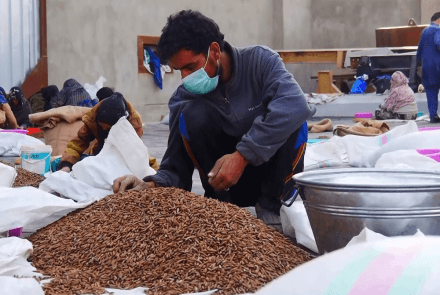 Pine nuts are among Afghanistan’s key export products and are primarily produced in mountainous and arid regions, particularly in the eastern and southeastern parts of the country.
The Ministry of Industry and Commerce reports that the country’s pine nut exports reached $15 million in 2025, marking a 25 percent increase compared to the previous year.
Akhundzada Abdul Salam Jawad, spokesperson for the Ministry of Industry and Commerce, said: “In 2025, Afghanistan’s black pine nuts were exported to China, India, Italy, the United Arab Emirates, Saudi Arabia, Jordan, Germany, Kuwait, the United States, the United Kingdom, Australia, and other countries. A total of 1,031 tons were exported, valued at more than $15 million.”
Meanwhile, the Afghanistan Dry Fruit Association attributes the increase in exports to improved marketing efforts, better access to regional markets, and rising demand in global markets.
According to officials of the association, attention to quality, standardized packaging, and facilitation of export procedures have been key factors behind the growth in pine nut exports.
Ahmad Khali Rahmani, spokesperson for the Kabul Dry Fruit Exporters Association, said: “We hope that at the beginning of next year, with the launch of export zones and exporting companies in the capital and provinces, along with the resolution of banking challenges, issuance of visas for traders, and reduction of transportation costs, pine nut exports will further increase.”
Mahboobullah Mohammadi, a trader, said: “In our repeated meetings with government officials and institutions, we have emphasized the establishment of a regular agricultural cargo system. By creating such a system and setting standardized transportation prices, we can have an alternative option until currently closed trade routes are reopened.”
Economic analysts also believe that increasing agricultural exports, particularly pine nuts, can play a significant role in improving the country’s economic situation and boosting revenues.
They stress that to sustain this trend, existing challenges in transportation, banking, storage, and access to global markets must be seriously addressed.